All Posts


A la par de las metas empresariales que cada compañía se haya trazado para 2017, como la expansión a diversos territorios, conquista de nuevos mercados, amplificación de líneas de negocio, entre otras, es importante que los directivos estén preparados para enfrentar los cambios que el sector empresarial prevé. Sin importar


In the previous three blogs in this series, we talked about what metadata can be available from source systems, transformation and movement, and operational usage. For this final blog in the series, I want to discuss the analytical usage of metadata. Let’s set up the scenario. Let's imagine I'm a

SAS temporary arrays are an underutilized jewel in the SAS toolbox. I find that many beginning to intermediate SAS programmers are not familiar with temporary arrays. The good news is that there is nothing complicated about them and they are very useful. First of all, what is a temporary array?
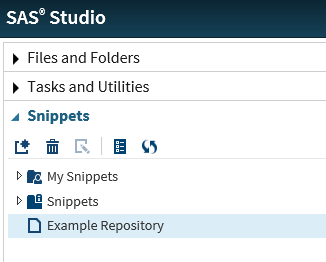

We have seen in a previous post of this series how to configure SAS Studio to better manage user preferences in SAS Grid environments. There are additional settings that an administrator can leverage to properly configure a multi-user environment; as you may imagine, these options deserve special considerations when SAS Studio


It’s no secret that the US energy landscape has undergone massive changes in recent years: the emergence of cost-effective renewables, the natural gas revolution, the wide-scale penetration of intelligence across energy delivery networks, and soon a new resident at 1600 Pennsylvania Avenue. All of these changes are impacting different pockets of
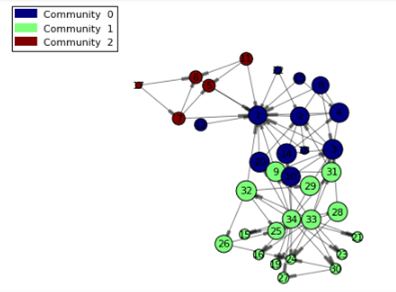

はじめに 以前このブログ「グラフ理論入門:ソーシャル・ネットワークの分析例」でもご紹介しましたが。SASは従来からネットワーク分析(グラフ分析)をサポートしています。ネットワーク分析の基本的なことはまず上記のブログをご参照ください。 今回は、プログラミングスキルがあるアプリケーション開発者やデータサイエンティスト向けです。Pythonからネイティブに利用できるSAS Viyaを使用して、ネットワーク分析をする簡単な利用例をご紹介します。 2016夏にリリースされたSAS Viyaは、アナリティクスに必要な全てのアルゴリズムを提供しつつ、かつオープンさを兼ね備えた全く新しいプラットフォームです。これにより、SAS Viyaをアプリケーションにシームレスに組み込むことや、どのようなプログラミング言語からでもアナリティクス・モデルの開発が可能になりました。今回は、SASのパワフルなアナリティクス機能にアクセスするために、そのオープンさがどのように役立つののかにフォーカスします。 前提条件 SAS Viyaは、REST APIにも対応しているため、それを使用しても良いのですが、一般的には、使い慣れたプログラミング言語を使用する方が効率が良いと考えられるため、今回は、データサイエンティストや大学での利用者が多い、Pythonを使用したいと思います。 デモ環境としては、Pythonコードを実行できるだけでなく書式付テキストも付記できる、Webベースのオープンな対話型環境であるJupyter Notebookを使用します。Jupyterをインストールした後に、SAS Scripting Wrapper for Analytics Transfer(SWAT)をインストールする必要があります。このパッケージは、SAS Cloud Analytic Services(CAS)に接続するためのPythonクライアントです。これにより、Pythonから全てのCASアクションを実行することが可能となります。SWATパッケージの情報やJupyter Notebookのサンプルはこちらをごらんください。https://github.com/sassoftware SAS Cloud Analytic Services(CAS)にアクセスする SAS Viyaのコアにあるのは、SAS Cloud Analytic Services(CAS: キャス)というアナリティクスの実行エンジンです。"CASアクション"という個々の機能を実行したり、データにアクセスしたりするためには、CASに接続するためのセッションが必要となります。セッションからCASへの接続には、バイナリ接続(非常に大きなデータ転送の場合にはこちらが推奨です)あるいは、HTTP/HTTPS経由のREST API接続のどちらかを使用することができます。今回は、デモンストレーション目的で非常に小さなデータを扱うので、RESTプロトコルを使用します。SAS ViyaとCASのより詳細な情報はこちらのオンラインドキュメントをごらんください。 多くのプログラミングと同様、まずは使用するライブラリの定義からです。Pythonでは、importステートメントを使用します。非常に良く使われるmatplotlibライブラリに加えて、ネットワークをビジュアライズするためのnetworkxも使用します。 from swat import * import numpy as np import pandas as pd import matplotlib.pyplot as


It's that time of year again. Holidays, parties, gifts, cooking, closing annual business, hitting targets and preparing for 2017. Looking back on the year for the communication and media industries, it has been a year of transition for the industry and for many of the customers I work with in my role


As the holidays approach, one of the highlights (for most of us) is time spent visiting with family. For me, this is one of two times a year when my entire family comes together - and, it has become customary for my two brothers and me to spend a bulk

TL; DR Free training from SAS: "SAS Programming for R Users." Check the available Live Web offerings and register for one that fits your schedule. Or use the free e-Learning version and learn at your own pace. The complete course materials are on the SAS Software GitHub space and you


In my last post we started looking at the issue of identifier proliferation, in which different business applications assigned their own unique identifiers to data representing the same entities. Even master data management (MDM) applications are not immune to this issue, particularly because of the inherent semantics associated with the


The utility industry is ripe with analytic opportunities. Usually, when I share that perspective, thoughts immediately jump to making the energy grid more efficient. Certainly, there are efficiencies to gain with improved data about where power is being consumed and the sources that are available to support it. However, there


Editor's note: The following post is from Melissa Marshall, Principal at Melissa Marshall Consulting LLC. Melissa is a featured speaker at SAS Global Forum 2017, and on a mission to transform how scientists and technical professionals present their work. Learn more about Melissa. Think back to the last technical talk you were an


El siglo XXI trajo consigo nuevos desafíos para las esferas sociales y las formas tradicionales de comunicarse. También para los negocios, que tuvieron que replantear su objetivo estratégico para seguir vigentes en el mercado. En la búsqueda de nuevos modelos que se ajustaran a las nuevas exigencias puestas sobre la


The report-ready SAS Environment Manager Data Mart has been an invaluable addition to SAS 9.4 for SAS administrators. The data mart tables are created and maintained by the SAS Environment Manager Service Architecture Framework and provide a source of data for out-of-the box reports as well as custom reports that any
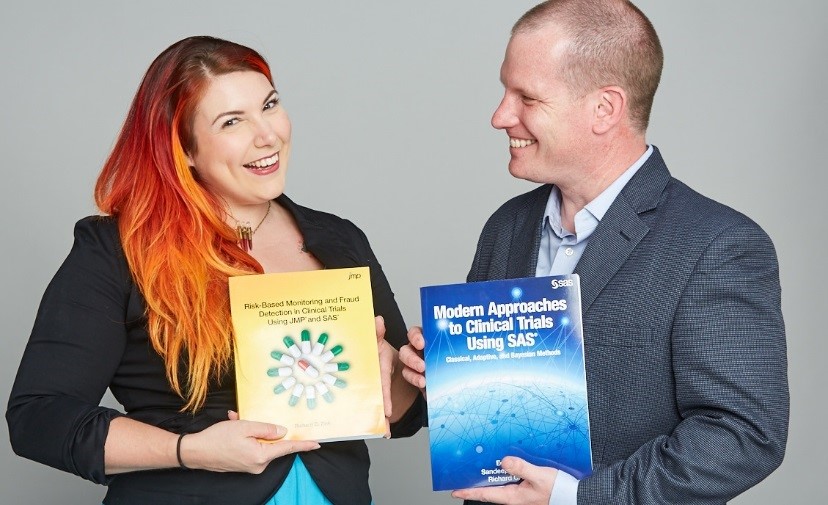

Editor's note: This series of blogs addresses the questions we are most frequently asked at SAS Press! Do you have a great book idea already in mind, or think you might want to write about an analytics or industry topic? Consider writing a SAS Press book or a SAS &