SAS Users
Providing technical tips and support information, written for and by SAS users.

What happens if you need to edit graph output files from SAS in a different application (for example, Microsoft Word)? It is not recommended that you edit your SAS graph output outside of SAS, but, if you must do so, you need to create your graphics output as EMF (Enhanced Metafile Format) graph output.
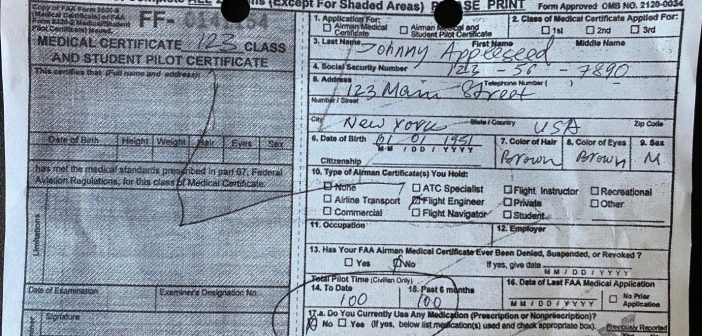

In Part I of this blog post, I provided an overview of the approach my team and I took tackling the problem of classifying diverse, messy documents at scale. I shared the details of how we chose to preprocess the data and how we created features from documents of interest

Welcome to my SAS Users blog series CAS Action! - a series on fundamentals. I've broken the series into logical, consumable parts. If you'd like to start by learning a little more about what CAS Actions are, please see CAS Actions and Action Sets - a brief intro. Or if