SAS Users
Providing technical tips and support information, written for and by SAS users.
Working remotely? A list of 5 ways to spend your down time

As many of us are learning to navigate the changing world we are living in amid the COVID-19 outbreak, and as we care for our loved ones, friends, and our community, many of us now find ourselves working and studying from home much more than we did before. As an
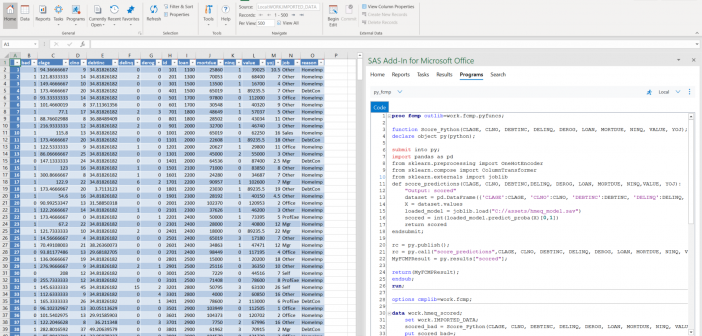
Extending Excel with Python and SAS

Whether you like it or not, Microsoft Excel is still a big hit in the data analysis world. From small to big customers, we still see fit for daily routines such as filtering, generating plots, calculating items on ad-hoc analysis or even running statistical models. Whenever I talk to customers,
How to debug 5 common SAS® software font issues

Martin Mincey of SAS Technical Support shows you how to debug when listing registered SAS fonts, registering new fonts, getting SAS SG procedures to use a new font and more.