All Posts


“We could send a juvenile justice youth to Harvard for what we pay for incarceration, and we don't get very good outcomes.” That was said by Gladys Carrion when she was Director of the New York State Office of Children and Family Services. (She’s now Commissioner of NYC Administration for


According to Lloyd Dean, president and CEO, "At Dignity Health, we are committed to developing partnerships and opportunities that harness the tremendous potential of technology, from improving the patient experience to providing caregivers with tools that will support their day-to-day care decisions." Dignity Health, one of the largest health systems


The other day the thermometer shot up to 80. I had been pulling from my winter wardrobe when the heat compelled me to put on a pair of pants I hadn’t worn for the past 6 months. Hmmm. They didn't fit as I had expected. :) Reality check. Reality checks are
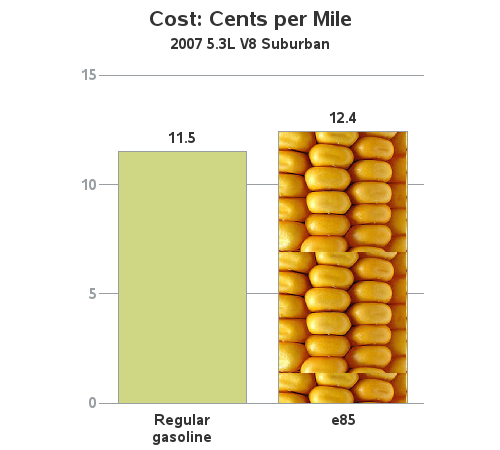

I recently bought a vehicle that has FlexFuel capability and can use E85 (mostly ethanol) fuel. But can you guess whether it is more economical for me to use E85, or regular gasoline? Read the SAS analysis below to see if you guessed right! I've been the happy owner of


Did you know one of the attendees' favorite events at SAS Global Forum is to meet our bestselling authors? This year at SAS Global Forum 2016 we are planning a "Top Tips from Your Favorite SAS Press Authors" lunch where we will ask 3 or 4 authors to present a top tip


@philsimon on what we can learn about data quality from Jeff Bezos's behemoth.


As the big data era continues to evolve, Hadoop remains the workhorse for distributed computing environments. MapReduce has been the dominant workload in Hadoop, but Spark -- due to its superior in-memory performance -- is seeing rapid acceptance and growing adoption. As the Hadoop ecosystem matures, users need the flexibility to use either traditional MapReduce


Es increíble ver cómo cada vez más organizaciones se dan cuenta de la necesidad de optimizar su atención a cliente y subir este servicio a lista de factores que representan ventaja competitiva. Sabiendo esto, un importante número de empresas han recurrido al uso de inteligencia artificial y realidad virtual. Recientes


Many of us here at SAS are hustling to prepare for SAS Global Forum set to begin April 18 in Las Vegas. This year’s agenda is shaping up to be a “can’t-miss” event. Monday, before SAS Global Forum begins, there are two SAS Certification testing events. Then after the conference


In my last post, Expert tips for first-time attendees of SAS Global Forum 2016, I asked members of the SAS Global Users Group Executive Board what advice they had for users attending SAS Global Forum for the first time. In this post, they share tips for returning attendees. Each year,

Today, I'd like to introduce a new author! Welcome Amy Rockwell to the SAS Life Blog team! Amy shares her passion for the great outdoors with SAS Employees through the RFC's Outdoor Adventure programs. In addition to finding Amy on the trails and teaching and working out at the RFC, she enjoys spending time with


At a recent TDWI conference, I was strolling the exhibition floor when I noticed an interesting phenomenon. A surprising percentage of the exhibiting vendors fell into one of two product categories. One group was selling cloud-based or hosted data warehousing and/or analytics services. The other group was selling data integration products. Of

If you are a Caregiver, there is likely going to be a point at which you feel you aren't doing enough, you aren't doing it well, or a combination of the two. So it's not really a question of "Do you feel Caregiver Guilt?" but "When do you feel Caregiver

Streaming analytics is a red hot topic in many industries. As the Internet of Things continues to grow, the ability to process and analyze data from new sources like sensors, mobile phones, and web clickstreams will set you apart from your competition. Event stream processing is a popular way to


In my SAS Press book Business Statistics Made Easy in SAS® I place a strong focus on the skill of extrapolating analytics/statistical outcomes to key business implications (similar techniques can be used to link statistics to other key societal outcomes). Unfortunately, business analytics often stops short of defining the impact