All Posts


Not long ago I read this New York Times article on The Power of Positive People. After reading about the unsurprising benefits of having a constant support group, I was inspired to think of how I could create opportunities for people in my social circle to get together and support
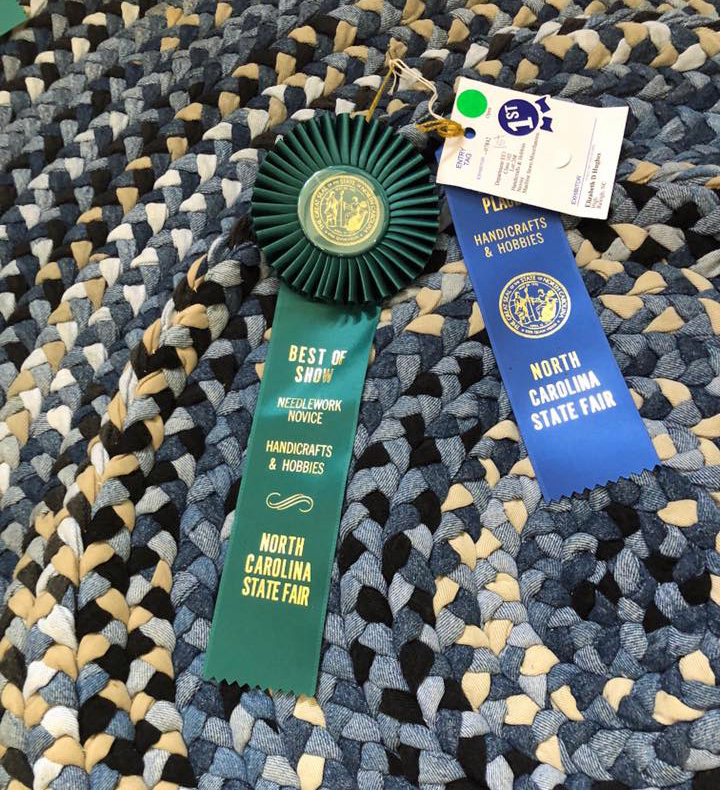

This past Sunday was the last day of the NC State Fair, and we broke some records this year! Can you guess what those records were? I'll ramble on about the fair to give you time to come up with your guess, and then I'll let you know about the


I've been recovering for 15 years now, after a lengthy career caring for critically ill patients. Now, I’m part of a team at SAS that’s working to transform health care – and that's important to me because of something that happened when I was an ICU nurse. It changed my
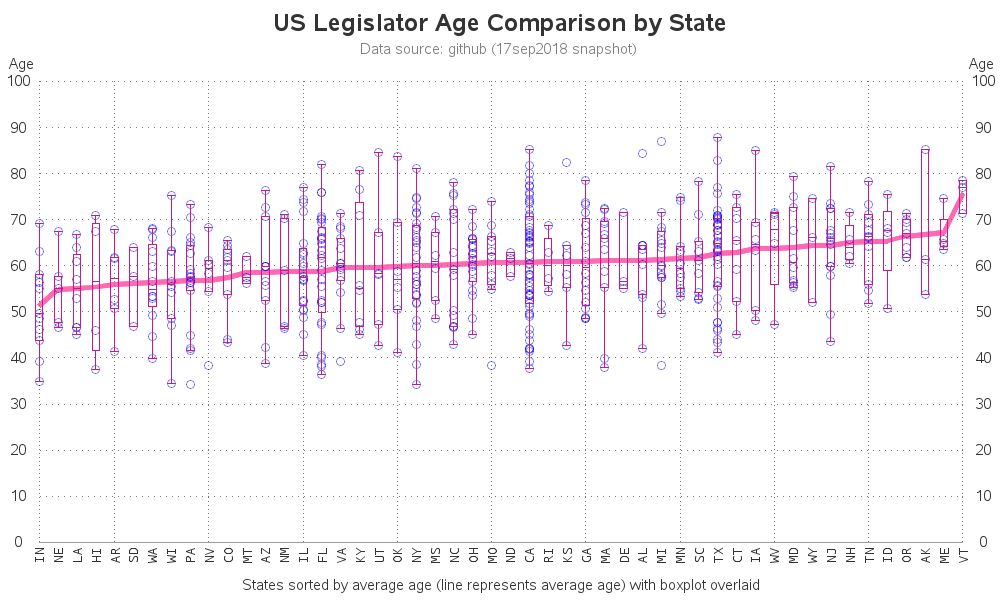
Have you noticed a lot of graphs popping up lately, about politicians, voters, and elections? ... Well of course - it's an election year! If you follow my blog posts, then you're probably a bit "smarter than the average bear" when it comes to scrutinizing graphs. And election graphs election
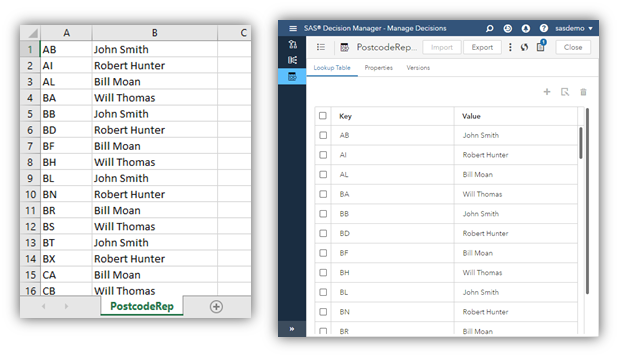

With SAS Data Preparation and SAS Decision Manager, you can perform out-of-the-box column and row transformations to increase your data quality and build the foundations for data-driven innovation. This blog will discuss how you can leverage SAS Decision Manager to enrich data when preparing it through SAS Data Preparation.


올해 초 2018년과 미래를 관통할 두 가지 기술로 '인공지능(AI)’과 ‘자동화(Automation)'를 소개해 드렸는데요. 인공지능과 자동화 기술은 사물인터넷(IoT)과 어떻게 연결될 수 있을까요? IDC 퓨처스케이프(IDC FutureScape)가 발표한 ‘2017년 전 세계 IoT 전망’ 보고서에 따르면, 2019년까지 사물인터넷에서 생성된 데이터의 40% 이상이 네트워크 엣지(edge)에 저장되어 처리되고 분석될 전망입니다. 또한 효과적인 사물인터넷 기술은 스트리밍 분석과 머신러닝을 결합해 진행될
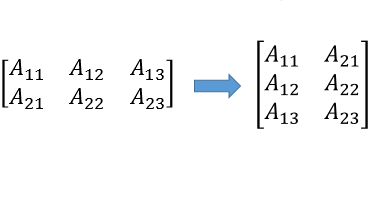

A SAS programmer asked how to rearrange elements of a matrix. The rearrangement he wanted was rather complicated: certain blocks of data needed to move relative to other blocks, but the values within each block were to remain unchanged. It turned out that the mathematical operation he needed is called


Las técnicas creadas a partir del Big Data han revelado múltiples aplicaciones que han servido para poner sobre la mesa los fraudes y las filtraciones masivas de información sobre temas relacionados con, por ejemplo, paraísos fiscales y evasión de impuestos. A Latinoamérica, según reportes divulgados por Global Financial Integrity, la


En situaciones donde la reducción de costos es un imperativo y las empresas carecen de presupuestos óptimos, los datos se vuelven aún más importantes de lo que eran antes de una recesión de datos. Priorizar libera resultados reales, y analizar la información de manera correcta se convierte en un punto clave. Determinar y definir qué clientes tienen mayor probabilidad


Did you know that you can now chat with SAS Technical Support? Technical Chat enables you to quickly engage with a knowledgeable consultant when you have a SAS question or need help with troubleshooting an issue.


El popular dicho español ‘El que mucho abarca poco aprieta’ ha cobrado gran relevancia en la era del análisis de datos. Cuando los data scientists, data analysts, y analistas en general realizan modelos para predecir comportamientos, tendencias, patrones, etc. se enfrentan ante el desafío de abarcar lo suficiente para apretar
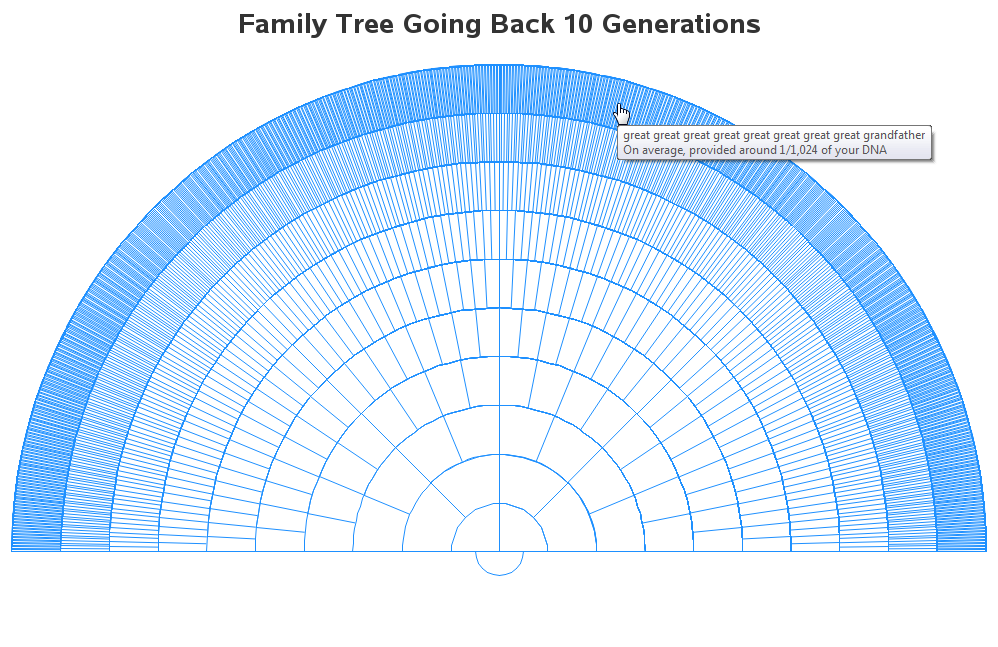
Any of you who are even slightly into politics, or have followed any news lately, have probably seen something about the DNA test Elizabeth Warren took to prove/disprove her Native American ancestry. The test indicates she might have had a Native American ancestor 6 to 10 generations ago. That's a

There are four widely recognized styles of machine learning: supervised, unsupervised, semi-supervised and reinforcement learning. These styles have been discussed in great depth in the literature and are included in most introductory lectures on machine learning algorithms. As a recap, the table below summarizes these styles. For a comprehensive mapping


Have you noticed the commercials about medication for bone loss? Maybe I’m noticing more as I am in my 50s. Many don’t think a great deal about bone loss until something breaks! I know this was the case with a relative. After breaking her leg, she learned she had osteoporosis.


What can you learn about wildfires when you provide a room full of analysts with 7 years of US wildfire data and the tools they need to analyze it? A lot. At a recent data dive, we split 35 data scientists into 9 teams, provided multiple data sets containing information