Graphically Speaking
Data Visualization with a focus on SAS ODS Graphics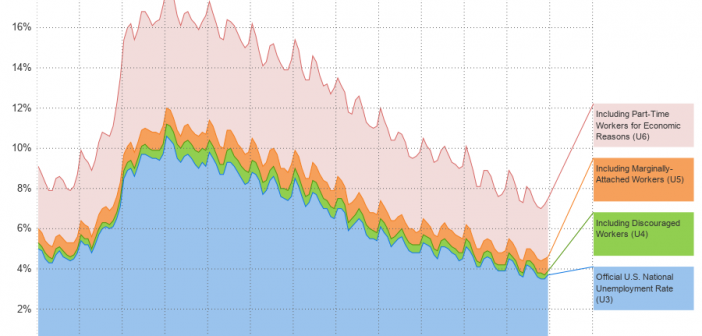

Many areas of the US are experiencing record low unemployment. This is great at the national level, and also great at a personal level (for example, I now have fewer unemployed friends asking to borrow money!) But just how low is the US unemployment rate, and how does it compare

Tool tip and drill-down functionality is commonly used to explore plot data in a graph, particularly on the web. Occasionally, you might even have the need to add this drill-down functionality to your titles or footnotes, possibly to reference more details or source information. The TITLE and FOOTNOTE statements in
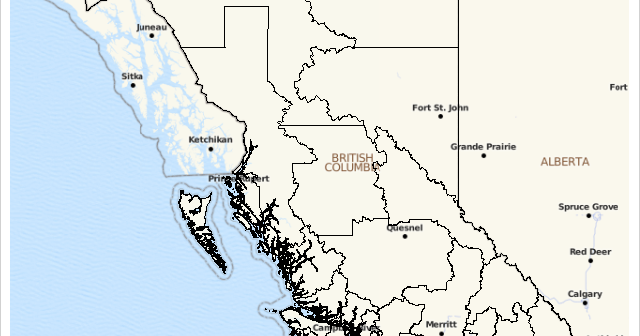

Sometimes it is difficult to know what parameters to use when projecting map data onto Esri or OpenStreetMaps in PROC SGMAP. The shapefile .PRJ file contains everything you need to set these parameters in PROC GPROJECT. In a previous blog, you saw how to lookup projections at a web site,