All Posts


Increasingly, automotive executives want to talk about the "Art of the Possible" in analytics. So we took the opportunity to invite leaders around the industry to an Automotive Analytics Executive Roundtable to share their stories and spark new ideas. A myriad of diverse speakers covered a variety of topics on big data/Hadoop, the
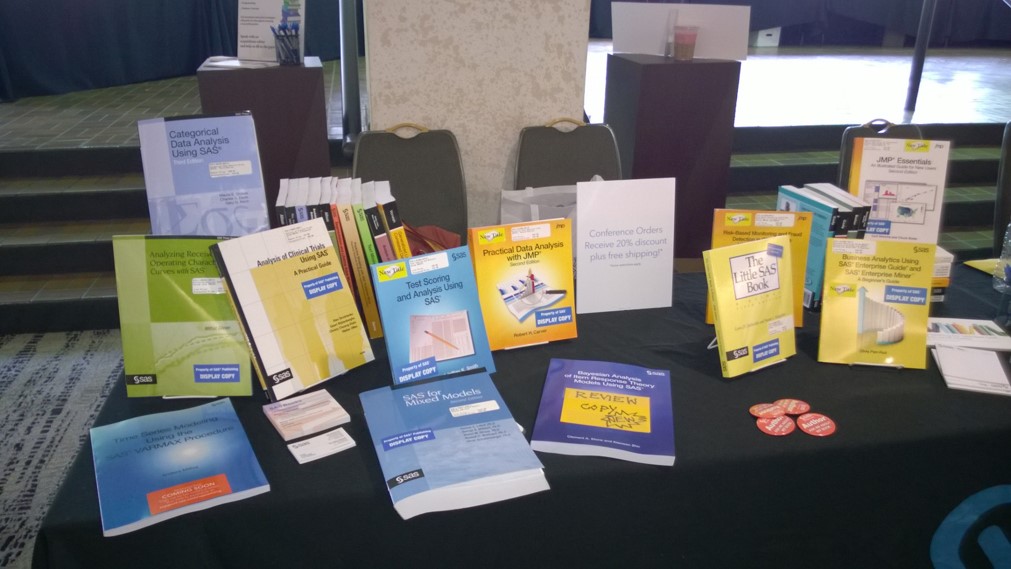

We had a lot of books at the ENAR 2015 Spring Meeting in Miami last week, but these were the top three bestsellers. Analysis of Observational Healthcare Data using SAS by Douglas E. Faries, Robert L. Obenchain, Josep Maria Haro, and Andrew C. Leon Survival Analysis Using SAS®: A Practical
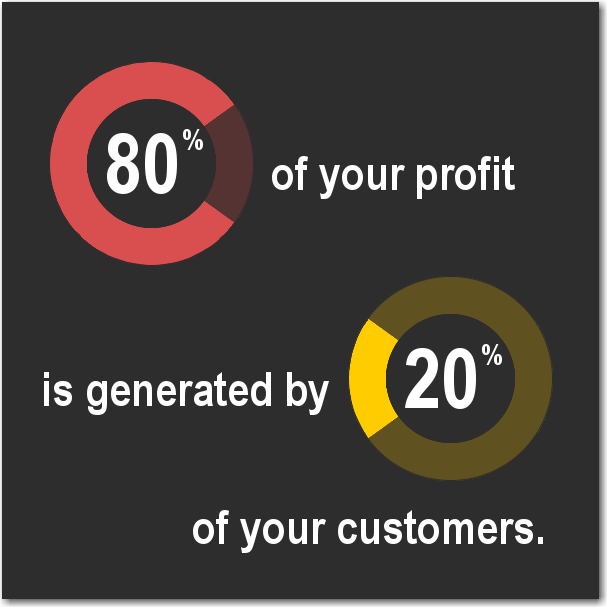

The best graphs are both beautiful and informative - a smooth blend of art and analytics. But more often than not, the two collide rather than blending smoothly... Here is a link to a artistic infographic I recently saw posted by Vendavo on twitter. Their message (80% of your profit is generated

Parents, In a recent essay in the NY Times, Frank Bruni, op-ed columnist and author, exploded the myth that getting into a highly selective school is the key to success later in life. In line with my recent blog, “Parenting and the Sinking of the Essex”, I would like to

Forget about Big Volume, for my money the real value in Big Data comes from its variety. Why? Because just as there is “Value in the Network” when it comes to your business ecosystem, your data can be "networked" for value in much the same way. Before we dive into the business implications

I've been in many bands over the years- from rock to jazz to orchestra - and each brings with it a different maturity, skill level, attitude, and challenge. Rock is arguably the easiest (and the most fun!) to play, as it involves the least members, lowest skill level, a goodly amount of drama, and the
Adoption of Hadoop, a low-cost open source platform used for processing and storing massive amounts of data, has exploded by almost 60 percent in the last two years alone according to Gartner. One primary use case for Hadoop is as a data lake – a vast store of raw, minimally processed data. But, in many ways, because
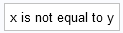

The title of this article makes no sense. How can the number of elements (in fact, the number of anything!) not be a whole number? In fact, it can't. However, the title refers to the fact that you might compute a quantity that ought to be an integer, but is
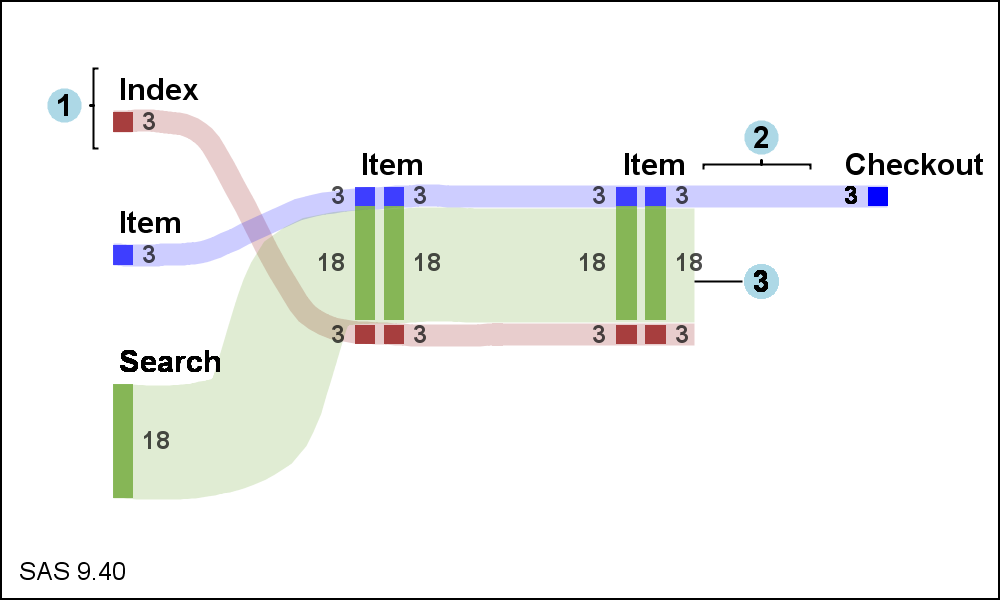

Sankey Diagrams have found increasing favor for visualization of data. This visualization tool has been around for a long time, traditionally used to visualize the flow of energy, or materials. . Now to be sure, GTL does have a statement design for a Sankey Diagram which was implemented only in Flex for use
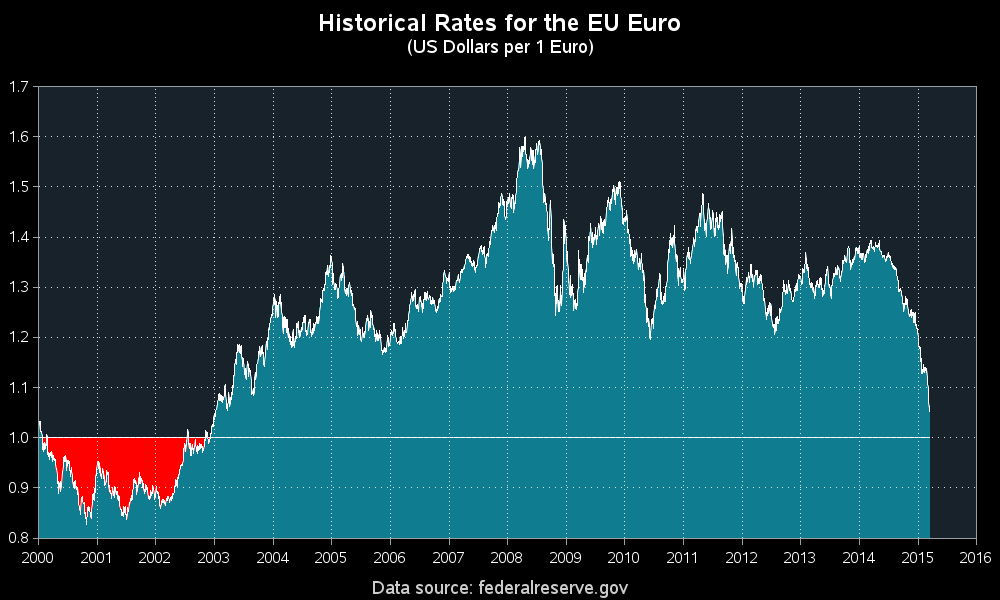
I recently read a Washington Post article about the euro versus the dollar, and I wanted to analyze the data myself to see whether the article was simply stating the facts, or "sensationalizing" things. The washingtonpost.com article started with the headline, "This is historic: The dollar will soon be worth
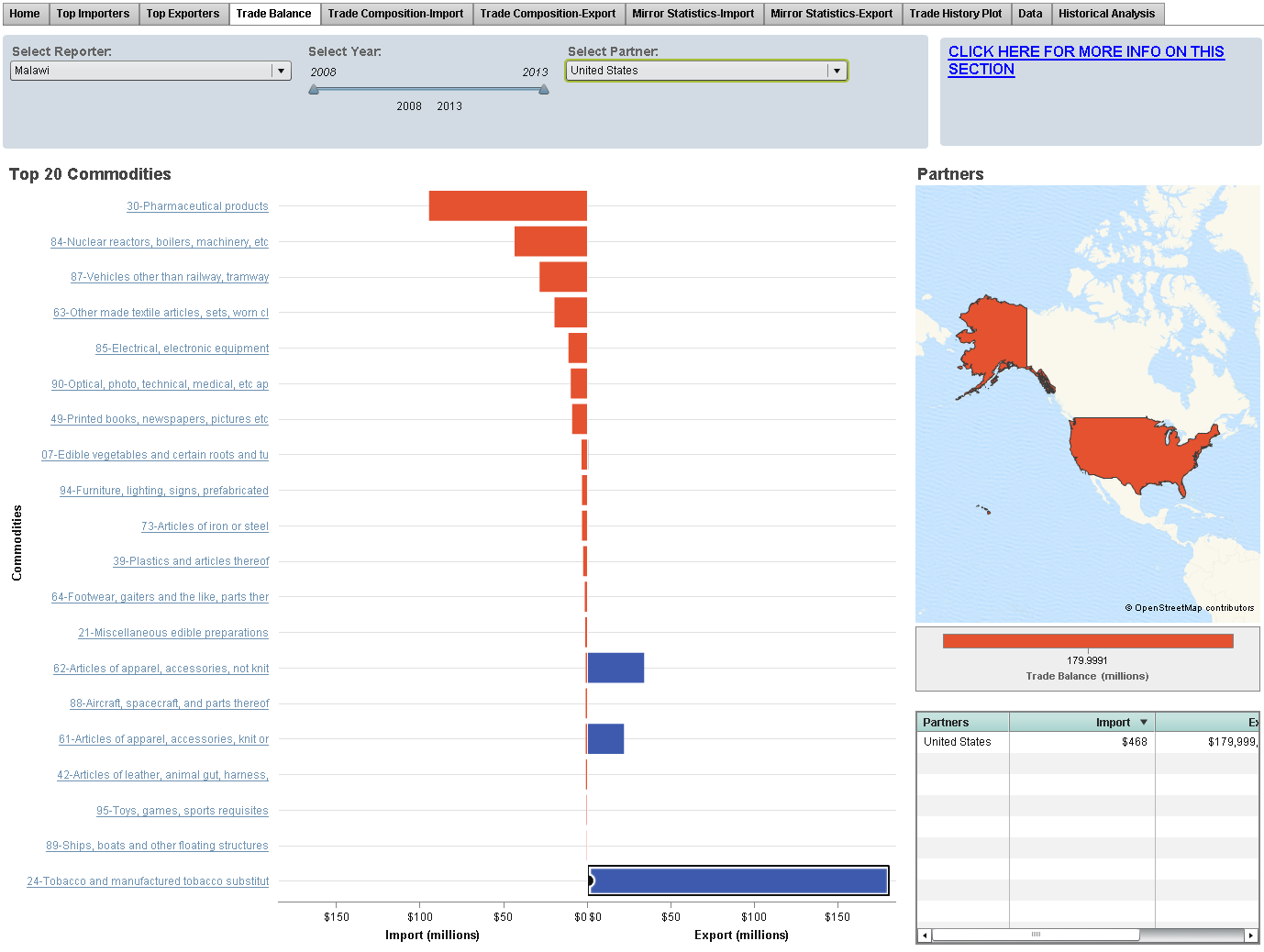

Did you know the US-Malawi trade relationship is based almost entirely on tobacco? Or that apparel & accessories drive Morocco & Tunisia exports while their North African neighbors rely on oil? The United Nations Statistics Division collects detailed international trade data from more than 200 countries on the import and
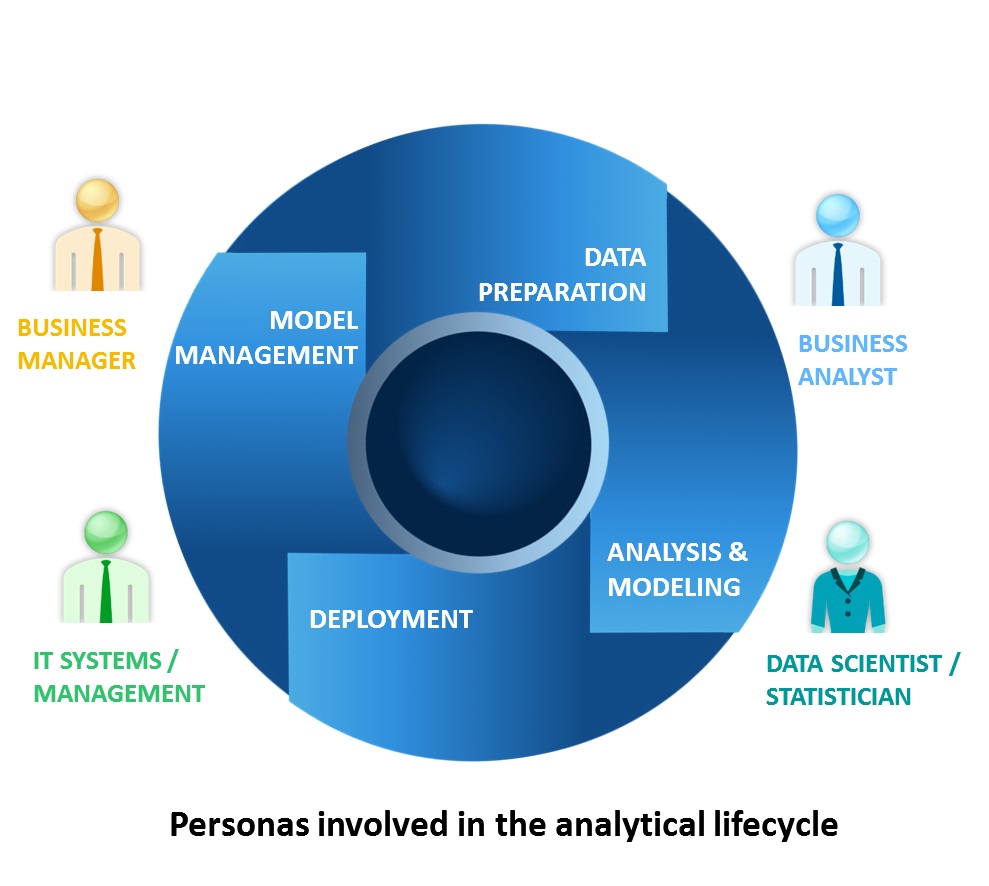

Advances in technology, evolution of the distribution channels, demographic shift, economic conditions and regulations changes. How does an insurer prioritize all these seemingly competing goals and create sustainable competitive advantage. One answer is analytics. Many insurance companies are just beginning to take steps toward becoming an “analytic insurer” – one
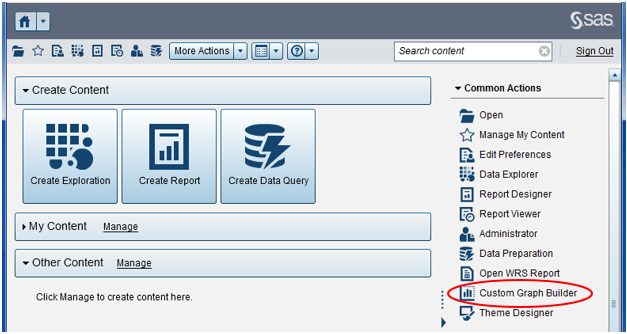

It may never crossed your mind, but there are real-life cases when reversing graph axes make sense. For example, when Y-axis represents a depth under the sea level or depth of oil well drilling, it makes perfect sense to have zero on top and positive numbers increasing from top down.
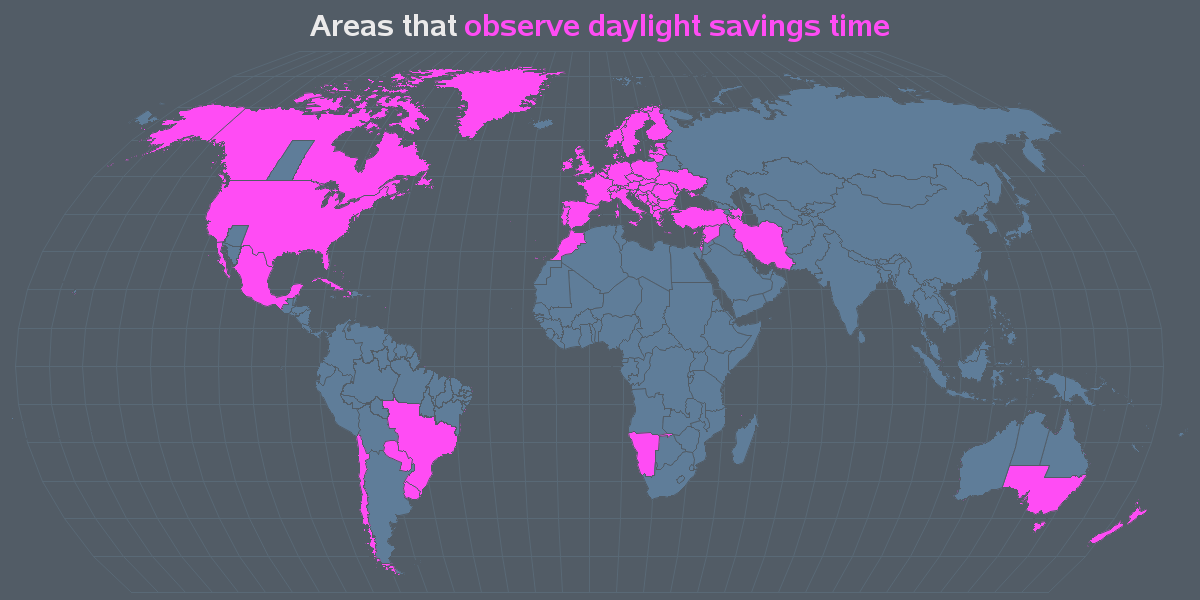
Is daylight saving time the ultimate in efficiency, or is it living a lie? Here are some graphs that might help facilitate a discussion on this topic ... With daylight saving time (DST), a whole geo/political area (such as a country) decides to set their clocks forward an hour during

One thing that always puzzled me when starting out with data quality management was just how difficult it was to obtain management buy-in. I've spoken before on this blog of the times I've witnessed considerable financial losses attributed to poor quality met with a shrug of management shoulders in terms