
In this first of two posts, Phil Simon chimes in on the prospect of data protection regulation in the US.
Las vemos a diario en Twitter, nuestro feed de noticias en Facebook, en foros de LinkedIn o en los principales medios de negocios, tecnología y tendencias que consumimos. Todas son tecnologías capaces de transformar los negocios, la manera en que tomamos decisiones y varias de las más importantes actividades de
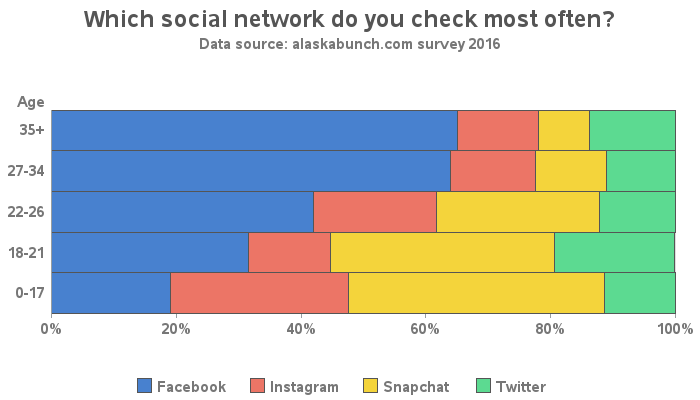
The way your graph looks can make all the difference ... two people can graph the exact same data in essentially the same way, but one of the two graphs can be perceived as much better than the other. Hopefully reading my blogs will help you create the better graph!

Absent a strong executive presence, most mature organizations will continue to muddle through data integration.
Disclaimer: before you get overly excited, PROC EXPAT is not really an actual SAS procedure. Sadly, it will not transfer or translate your code based on location. But it does represent SAS’ expansion of the Customer Contact Center, and that’s good news for our users. Here’s the story behind my
Expertos de SAS, multinacional experta en soluciones analíticas, señalan que debe otorgarse el valor real a la información que produce una empresa o persona, ya que hoy en día los datos tienen un valor económico. Este año Facebook celebró sus 12 años de existencia, en los que millones de chilenos
.@philsimon asks some fundamental questions about taking the next step with #bigdata.
.@philsimon says that it's never too early to think about the IoT and data management.
.@philsimon provides insights on whether a data strategy can result in competitive advantage.
.@philsimon on the need to play offense and defense with your organization's data.
.@philsimon on the soft skills that Big Data requires.
.@philsimon says that you shouldn't bring a knife to a gun fight.
When asked what his movement wanted around a century ago, the iconic American labor leader Samuel Gompers famously gave a one-word answer: "More." This annoyed his opponents at the negotiating table and many in the business community. He was not demanding a specific wage increase or fighting for a distinct cause like
.@philsimon on the reliability of social numbers.
In my last post, Where Do You Draw the Line Between Relevancy and Privacy, I talked about some of the plusses and minuses of behavioral online advertising as it pertains to personal (big data) privacy. Finding the balance between honoring people’s privacy while providing them with an interesting and relevant
I don’t know if Edward Snowden – the NSA contractor turned whistleblower currently living in exile - is a hero, traitor or a schmuck. What I do know is that he has brought the data issue much closer to home for me as a consumer and a U.S. citizen. It
I recently wrote about my foray into the experimental world of ODS EXCEL. Using this new destination in SAS 9.4, I was able to create multisheet workbooks -- containing reports and graphs -- in the XLSX format. I outlined some of the benefits -- such as being part of Base
I have previously blogged about how the dark side of our mood skews the sentiment analysis of customer feedback negatively since we usually only provide feedback when we have a negative experience with a product or service. Reading only negative reviews from its customers could make a company sad, but could reading only
Me: Hey! Orkut is going away. You: Oh, bummer! I didn't realize you had one of your cousins from Hungary in town. Me: *sigh* One of my Facebook friends recently mused in a post about getting a farewell email from Orkut. And she couldn’t remember what Orkut was. To me
"Big data isn't useful for investment purposes." So said my friend Walt during one of our recent arguments discussions. By way of background, Walt is not an über-successful 70-year-old investor who earned his chops well before the advents of Twitter, Facebook and their ilk. Rather, he's a man of a similar age to
Is big data becoming too big to ignore? An increasing number of organizations seem to think so. As Matt Asay on ReadWriteWeb writes: According to a recent Gartner report, 64% of enterprises surveyed indicate that they're deploying or planning Big Data projects (emphasis mine). Yet even more acknowledge that they
Are you an NFL fan, or curious about analyzing social media data? -- Well, in either case, this blog's for you! I recently read a fascinating Facebook article that included a U.S. county map showing which NFL (U.S. football) team had the most 'likes' in each county (based on ~35 million
Standing in my own crosshairs as my own target market means that almost all work that I do can be a learning opportunity, and going to DMA2012 was certainly a biggie. What I saw and experienced at the show reaffirmed the idea that it’s never been more exciting to be
Facebook has millions of users, and therefore when people share an interesting graph on Facebook it can "go viral" and millions of people might see it. Some of the graphs are obviously a bit biased - especially ones that are trying to sway your opinion one way or another on a topic
Update 24Nov2015: The methods in this post no longer work for Twitter, as Twitter has discontinued support for its "share count" API that was used within the Twitter share buttons. But the Facebook method still works, and I've described a method for counting LinkedIn shares on another post. As of
According to Warren Murray, Facebook is an opportunity. Warren is the head of business decision support at eBucks, South Africa’s leading multi-partner rewards program. More people have Twitter and Facebook accounts. More people are following others. Warren sees these channels becoming more of a marketplace, reducing the reliance on the
Yesterday’s SAS Financial Services Executive Summit included a session titled “Big Data for the Next Big Idea,” which was moderated by SAS CMO and EVP Jim Davis , and included executives from organizations whose size tells me these people know exactly what big data is: Aditya Bhasin from Bank of America, Robert
Wired had an interesting article recently, discussing how “Darpa,” the US Department of Defense’s (DoD) research agency, is requesting proposals for implantable biosensors. Darpa is interested in the application of this technology for “real-time, accurate measurements of ‘DoD-relevant biomarkers’ including stress hormones, like cortisol, and compounds that signal inflammation, like
Chris Hemedinger, author of the SAS Dummy blog, read last week's Innovation Inspiration post and was reminded of a couple of cool things he'd seen SAS users do. He also told me of one of his most recent rock star moments. (In all fairness to Hemedinger, he didn't call his
Rick Wicklin and I are engaged in an arms race of birthday-related blog posts. To recap: Rick analyzed national data about births in the USA and what time of year they are most likely to occur. I responded by analyzing the birthdays of my Facebook friends. Rick responded by analyzing