“Technological innovation is no longer a choice: it is an imperative.” So said Scott O’Malia, Commissioner of the Commodity Futures Trading Commission, about trade surveillance during his keynote address at the recent SAS-sponsored New Risk in Energy 2014 conference in Houston. He was attempting, as he has before, to spur
Uncategorized
How Internal Communications got into the video business. Everybody loves video. Well, maybe not everybody, but judging by the popularity of YouTube and the ubiquity of Web videos in general, I’d have to conclude that a mighty large chunk of the population loves – or at least likes – it.
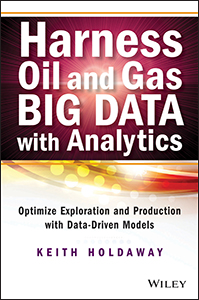
Oil companies are being forced to explore in geologically complex and remote areas to exploit more unconventional hydrocarbon deposits. New engineering technology has pushed the envelope of previous upstream experience. No guidebook existed on how computing methodologies can contribute to E&P performance at reduced risk. Until now. A new book
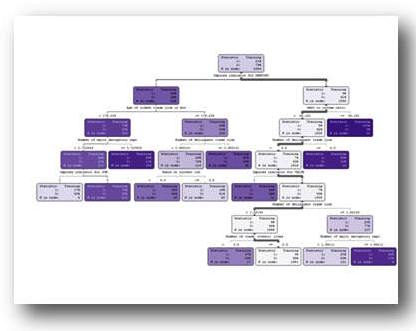
Insights from decision trees and other basic analytic techniques show that you don’t always need complex analytics to solve business problems and add value. This was the message from Dr. James (Jim) Foster, Director of Research and Process Development, Archer Daniels Midland (ADM), at last month’s inaugural IE Group ‘Manufacturing Analytics
A new global study -- “The Analytics Mandate” -- from MIT Sloan Management Review and SAS revealed that culture is the most important factor in achieving success with analytics. The research also points out that the talents that organizations acquire contribute to and shape internal culture. The managers surveyed in
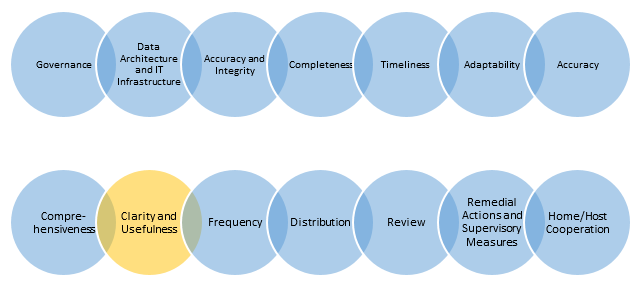
Principle 9: Risk management reports should communicate information in a clear and concise manner. Reports should be easy to understand yet comprehensive enough to facilitate informed decision-making. Reports should include meaningful information tailored to the needs of the recipients. While the data management and data aggregation principles have been heavily
Principle 8: Comprehensiveness - Risk management reports should cover all material risk areas within the organization. The depth and scope of these reports should be consistent with the size and complexity of the bank’s operations and risk profile, as well as the requirements of the recipients. One of the four
As a follow up to my previous post that described analytics in one word, I decided to revisit my choice of the word "strategic" with a video. If the adage "a picture is worth a thousand words" is true, you'll like this version even better than the original. Watch the video
So far in our Ask the Statistician blog and video series, we have heard responses from statisticians at the Analytics 2013 conference about: The many ways statistics benefit their organizations. The types of statistical analyses used to solve business issues. Best practices for explaining results. How they put statistical
Do you ever look at a chart or graph and think about what it’s really trying to reveal? All the time, right? Visualizations are useful because they allow us to analyze information much quicker than if we were to look at the raw data by itself. I say this with