All Posts
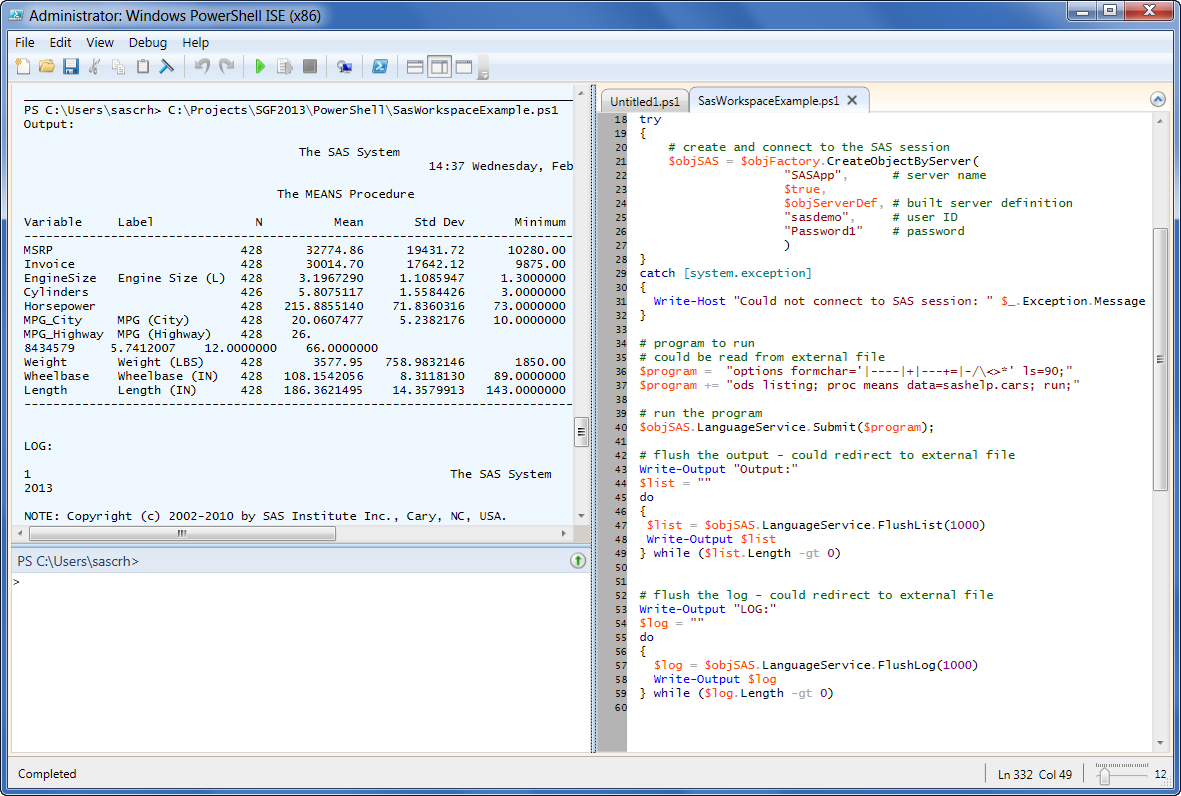

This post is another in my series about creating apps with SAS Integration Technologies, a topic that I'm preparing for SAS Global Forum 2013. In this article, I'll describe how to use Windows PowerShell to connect to a remote SAS Workspace, run a SAS program, and retrieve the results. This
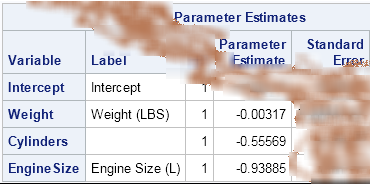

Argh! I've just spilled coffee on output that shows the least squares coefficients for a regression model that I was investigating. Now the parameter estimate for the intercept is completely obscured, although I can still see the parameter estimates for the coefficients of the continuous explanatory variable. What can I


In my previous post, I began a discussion of lists by explaining that big problems can be solved by breaking the problem into smaller pieces. The solutions to those smaller problems can then be used in combination to solve other problems. In this post, I will talk about formatting and
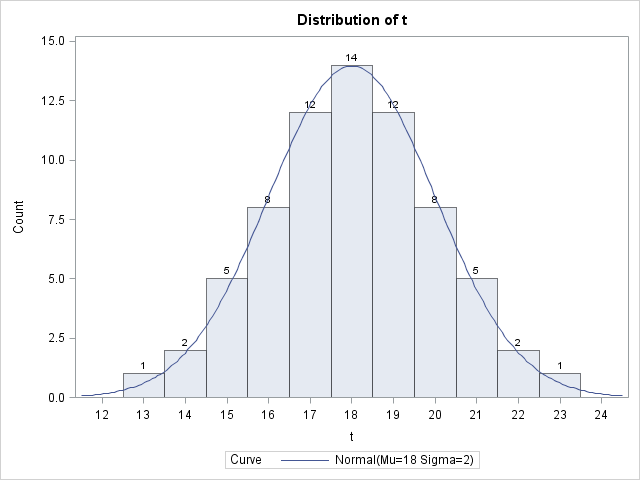
Last week there was an interesting question posted to the "Stat-Math Statistics" group on LinkedIn. The original question was a little confusing, so I'll state it in a more general form: A population is normally distributed with a known mean and standard deviation. A sample of size N is drawn

A parametric bar chart in SG Procedure and GTL parlance is a simplified version of the regular bar chart, where the data is assumed to be summarized prior to its usage inside the SG procedures or GTL. So, multiple occurrences of the same category and / or group combination is
Last year I shared this popular tip for counting how many times a web link has been shared on Twitter or Facebook. I use this technique daily to report on the social media "popularity" of our blog articles at SAS. I wanted to add LinkedIn into the mix. Like Twitter
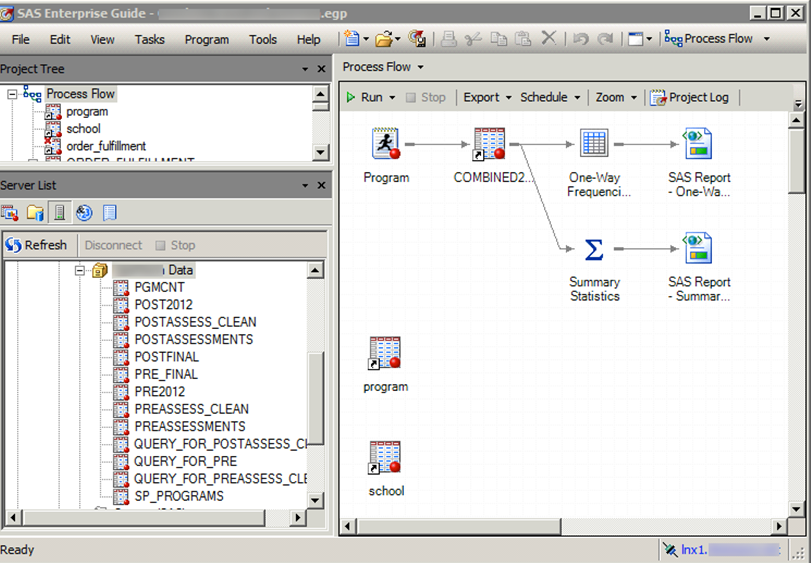

Last time we discussed the fundamentals of SAS data and how we reference that data in SAS Foundation. Now, we will turn our attention to how you access and protect data when you want to expose data through SAS clients versus the traditional LIBNAME method.


SAS announced yesterday that Michigan will use the SAS Fraud Framework for Government to, initially, combat fraud, waste and abuse in the state’s unemployment insurance and food stamp programs. Those two programs are good focus areas and I’m confident they will lead to the state recovering funds, avoiding losses and
Last week I was out to the 2nd Conference on Statistical Practice in New Orleans. It was a great opportunity to meet many users of SAS, R and other software and hear about their projects in applied statistics. I will write up my feedback on this conference soon. In the


Thanks for reading my previous post about the importance of understanding your performance issues before trying to determine the cause. Compiling all the available information about the problem and finding a repeatable SAS process that can be monitored are the first steps toward fixing the issue. Since we now have
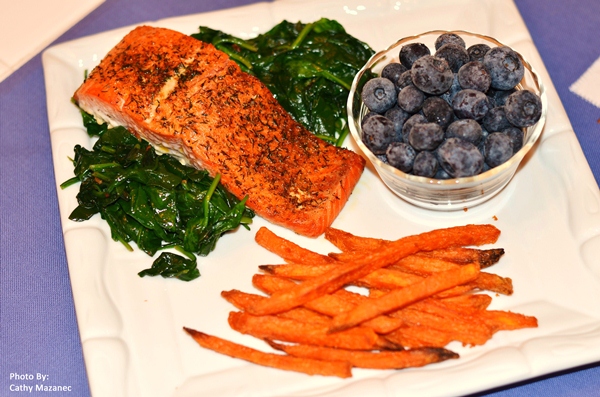

In Part 1 of our February is Heart Month series, I discussed 5 Powerful Foods for Your Heart. It is well known that a healthy diet and regular exercise are very beneficial for keeping our hearts and other organs healthy, reducing our risk of developing heart disease and other illnesses.
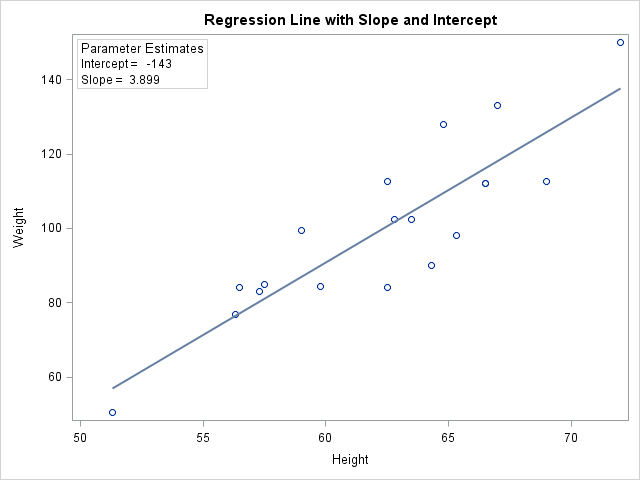
A SAS user asked an interesting question on the SAS/GRAPH and ODS Graphics Support Forum. The question is: Does PROC SGPLOT support a way to display the slope of the regression line that is computed by the REG statement? Recall that the REG statement in PROC SGPLOT fits and displays


I’m a huge movie buff. I love all kinds of movies but sports films are at the top of my list. Field of Dreams is one of my favorites not only because it’s a great story but also because, in my opinion, it has one of the best movie lines.
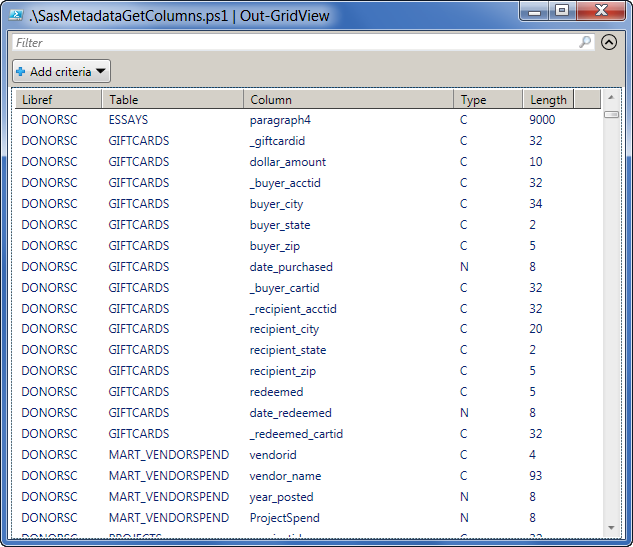
In a previous post, I described how to write a Windows PowerShell script to connect to a SAS Metadata Server. In this post, I'll show an example of something useful that you can do after you've established that connection. Specifically, I'll show how to "ask" the SAS Metadata Server about
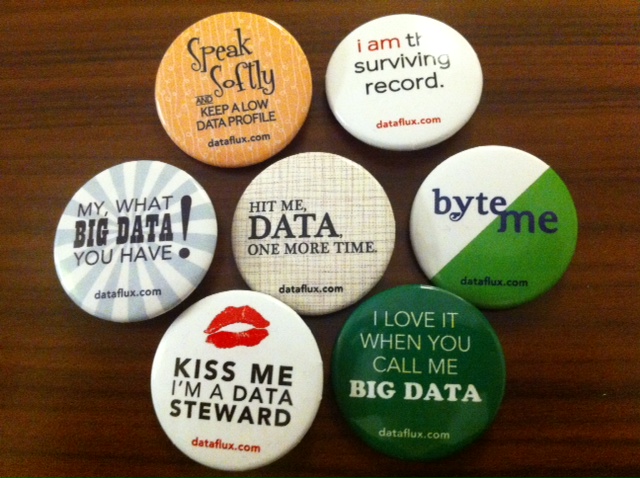

There was a lot of talk last year about What not to wear at SAS Global Forum and although informative and fun we didn’t necessarily help with what IS in style. Since 2013 is the year of Statistics we are going to focus our fashion series a little more on