SAS product manager, author and community contributor Gerhard Svolba shares 10 reasons to look forward to SAS Global Forum 2018.
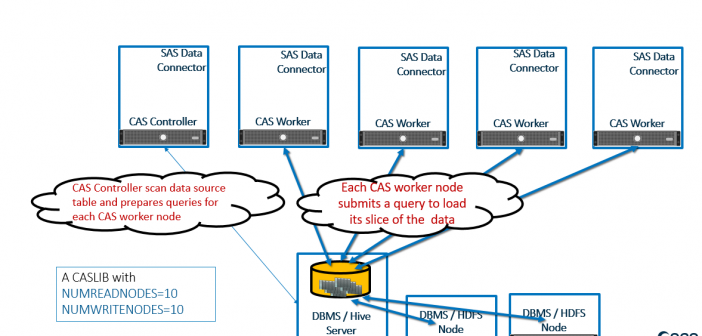
With the release of SAS Viya 3.3, you now have the ability to pass implicit SQL queries to a variety of SQL data sources, including Hive. Here's what happens as users write SAS compliant SQL code.
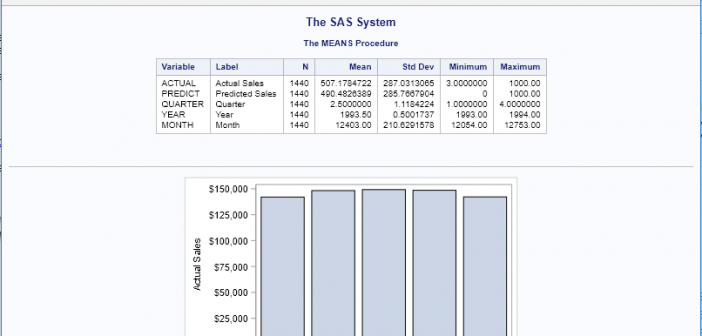
Generating HTML output might be something that you do daily. After all, HTML is now the default format for Display Manager SAS output, and it is one of the available formats for SAS® Enterprise Guide®. In addition, SAS® Studio generates HTML 5.0 output as a default. The many faces of
This is a continuation of my previous blog post on SAS Data Studio and the Code transform. In this post, I will review some additional examples of using the Code transform in a SAS Data Studio data plan to help you prepare your data for analytic reports and/or models. Create
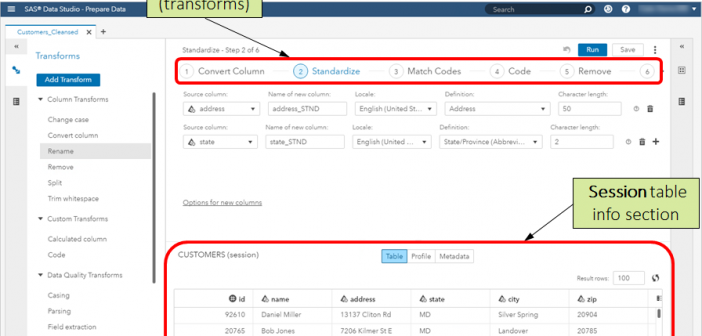
SAS Data Studio is a new application in SAS Viya 3.3 that provides a mechanism for performing simple, self-service data preparation tasks to prepare data for use in SAS Visual Analytics or other applications. It is accessed via the Prepare Data menu item or tile on SAS Home. Note: A
In the medical field, an autopsy is valuable because it helps you understand the cause of death. But, what’s more valuable is identifying the leading indicators of an illness so that you can address it before the Grim Reaper comes knocking. Best in class organizations are taking a similar approach
SAS Visual Analytics 8.2 introduces the Hidden Data Role. This role can accept one or more category or date data items which will be included in the query results but will not be displayed with the object. You can use this Hidden Data Role in: Mapping Data Sources. Color-Mapped Display
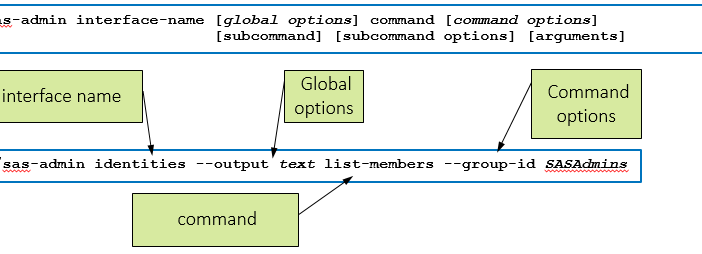
SAS Viya 3.3 introduced a set of command-line interfaces that SAS Viya administrators will find extremely useful. The command-line interfaces(CLI) will allow administrators to perform numerous administrative tasks in batch as an alternative to using the SAS Environment Manager interface. In addition, calls to the CLI’s can be chained together
Report data shared by educational institutions, government agencies, healthcare organizations, and human resource departments can contain sensitive or confidential data. Data in such reports are suppressed selectively to protect the identities of individuals or to prevent the report’s audience from easily inferring individual values. The Data Suppression feature in SAS
Let’s say that you are administering a SAS 9.4 environment that is working just fine. You’ve checked that your full backups are indeed happening and you’ve even tried restoring from one of your backups. You are prepared for anything, right? Well, I’d like to propose a scenario to you. You