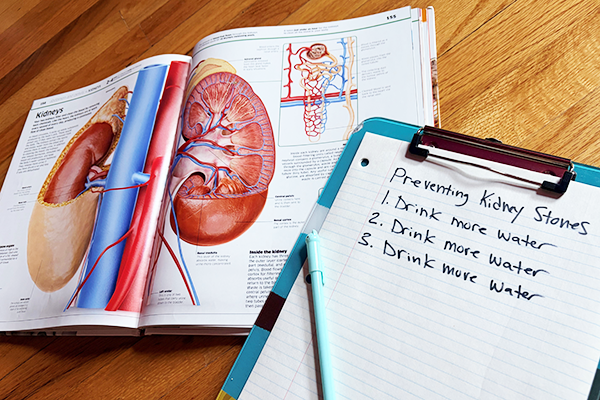
Kidney stones are becoming more common around the world. In the U.S., one in 10 people will have a kidney stone, and the recurrence rate is high—about 50-80%, depending on the type of stone. Rates in children are rising too, increasing by about 10% over the last decade. If you’ve ever had a kidney stone, you probably don’t want another one! They can be extremely painful and can also interfere with normal kidney function.
Kidney stones are common, hydration is critical, and there’s no one size fits all solution. Learn what increases risk and what may help prevent stones. #saslife Share on XBrief anatomy lesson – the urinary system
Your urinary system includes the kidneys, ureters, bladder, and urethra. Together, these organs filter your blood to remove waste products, toxins, and excess fluid. This system also helps regulate blood pressure, supports red blood cell production, and maintains healthy electrolyte and blood pH levels.
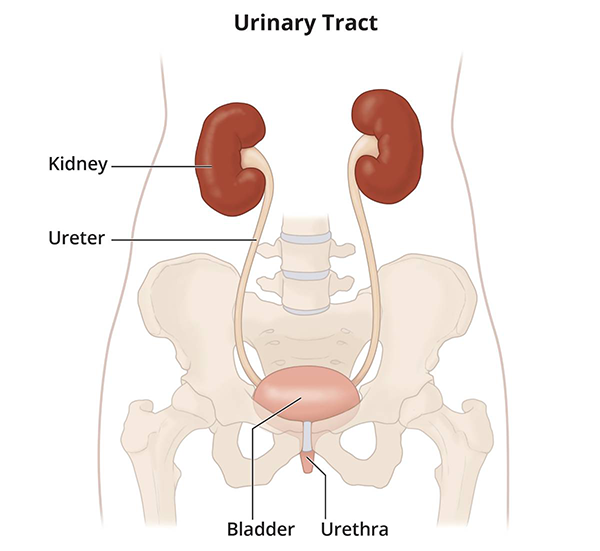
Photo from niddk.nih.gov
What are kidney stones?
Kidney stones are small masses that form when certain waste products clump together. When urine contains more minerals—such as calcium, oxalate, or phosphate—than it can dissolve, crystals can form. Over time, those crystals can stick together and grow.
About 80% of all kidney stones are calcium oxalate. Other less common types include uric acid stones, which are often linked to metabolic syndrome and insulin resistance; struvite stones, which are usually associated with urinary tract infections; and cystine stones, which are caused by a rare genetic condition.
Kidney stones can disrupt normal kidney function and may even block the flow of urine. Depending on their size and location, they can cause severe pain, nausea, vomiting, blood in the urine, and sometimes fever. Stones can range from as small as a grain of sand to as large as a golf ball—although stones that large are rare.
Why are kidney stones becoming more common?
The rise in kidney stones is likely tied to lifestyle factors that are becoming more common too. Diets high in heavily processed, high salt, low-nutrient foods, drinks loaded with sugar, low activity levels, and chronic dehydration all play a major role.
Kidney stones are also more common in people with diabetes and obesity. Some medications, like diuretics (such as those used to lower blood pressure), certain seizure medications, and calcium-based antacids, can raise the risk as well.
Dietary choices that can increase your risk of kidney stones
Chronic dehydration is considered the #1 dietary driver of kidney stones.
High sodium intake is also a major contributor because it increases calcium levels in the urine, which can promote stone formation.
Other common dietary risk factors include:
- Sugary drinks—especially those made with high fructose corn syrup, like soda
- Too much tea, especially sweet tea with the combination of high sugar and high oxalates
- Low intake of fruits, vegetables, dietary calcium, and fiber
- Artificial sweeteners (read ingredients since they show up in all kinds of products)
Supplements to be careful with
If you’re at higher risk for oxalate stones, it may be smart to avoid high-dose vitamin C supplements (1 gram or more). Vitamin C is partly converted to oxalate and excreted in the urine, potentially increasing the risk of calcium oxalate stone formation.
Large doses of calcium taken between meals can also increase the risk of kidney stones, and that includes calcium-based antacids. If you take calcium supplements for bone health, calcium citrate is usually a better choice than calcium carbonate because it may help reduce that risk.
There is also some evidence that high-dose cinnamon and turmeric supplements—not the amounts you’d normally use in cooking—may raise risk because of their oxalate content. The same may be true for some “greens” powders, especially spinach-based blends.
How to prevent kidney stones
Hydrate!
The single most important thing you can do to lower your risk of kidney stones is drink plenty of water. Most guidelines suggest aiming for a urine output of at least 2 liters per day, which usually translates to drinking about 2.5 to 3 liters of fluid daily. This is just a general range, though - larger individuals, very active people, heavy sweaters, or those living in hot, dry climates may need more, while smaller individuals may need a little less. Also keep in mind that fruits and vegetables contain water too, so if you regularly eat plenty of produce—at least five servings a day—your water needs may be slightly lower.
Focus on overall diet, not just oxalates.
When fluid intake is adequate, dietary oxalates usually aren’t a major issue unless they’re eaten in very large amounts. Foods highest in oxalates include rhubarb, spinach, chocolate, and nuts. Research suggests that focusing on an overall healthy diet matters more than trying to strictly follow a low-oxalate diet. In fact, several studies have shown that the DASH and Mediterranean diets both work better than a low-oxalate diet in preventing kidney stones. In other words, the worst thing you can do is avoid fruits and vegetables just because you’re worried about oxalates.
Citrate helps inhibit stone formation.
Uric acid, cystine, and calcium oxalate stones are often treated with alkali citrate, such as potassium citrate or magnesium citrate. You’ll also find citrate in citrus fruits like lemons and limes. Realistically, you’d need a lot of lemon juice to make a big difference, but adding a squeeze to your water certainly doesn’t hurt—especially if it helps you drink more water. Just skip the sugary lemonade.
Dietary calcium is protective, not harmful.
Getting enough calcium from food—about 1,200 mg per day—can actually lower your risk of kidney stones. Calcium binds to oxalate in the digestive tract, which helps prevent it from being absorbed and later excreted in the urine. You can use this to your advantage when eating a high-oxalate meal by pairing it with a calcium-rich food.
Potassium and magnesium also support kidney health.
Both potassium and magnesium can help inhibit stone formation, which is yet another reason to eat more fruits and vegetables in general.
Click here for a list of foods rich in calcium, potassium, and magnesium.
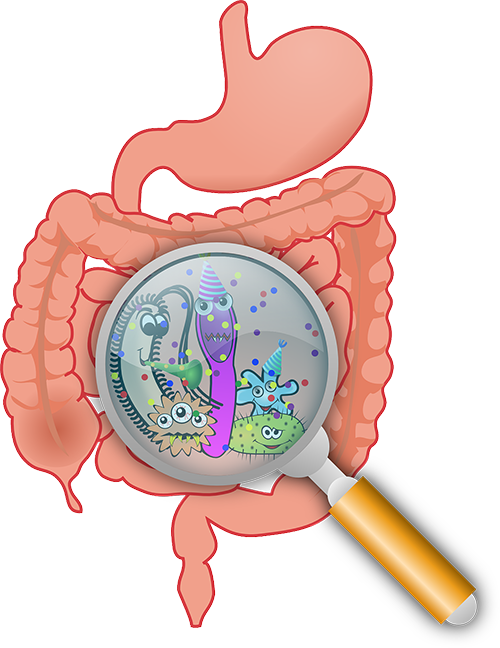
Microbiome and stone formation
Newer research suggests your microbiome may play an important role in stone formation. One area of interest is Oxalobacter formigenes, a bacterium that helps break down oxalates in the intestines. Therapeutic approaches are still being studied, but in the meantime, working toward a healthy microbiome certainly couldn’t hurt.
Reminder: There’s no single “kidney stone diet” that works for everyone.
While many recommendations overlap, the best way to understand your personal risk factors—especially if you’ve had recurrent stones—is to get a 24-hour urine analysis. This can help you and your healthcare provider identify what’s most likely contributing to your stones so you can build a more individualized diet and lifestyle plan. But no matter what type of stone you’re dealing with, the number one prevention strategy is still simple: drink plenty of water.
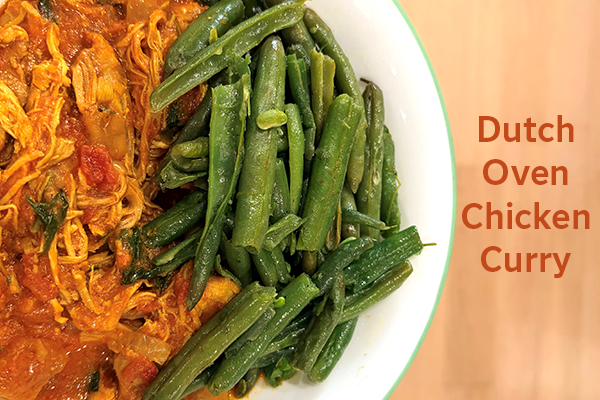
Dutch Oven Chicken Curry
Makes 6 servings
Recipe adapted from: Half Baked Harvest
PRINT RECIPE
Ingredients
2 Tbsp olive oil
2 lbs mixed chicken breasts and thighs
1 yellow onion, chopped
1 Tbsp fresh garlic, chopped
2 tsp ground ginger
2 tsp cumin
2 tsp turmeric
1 tsp cayenne pepper
½ tsp sea salt
1 can (14 ounce) coconut milk
1 can (14 ounce) crushed tomatoes
cinnamon stick or star anise (optional)
sea salt, to taste
½ cup fresh cilantro
Instructions
- In a large Dutch oven, warm the olive oil over medium heat. Add the onion, garlic, and chicken, and cook until some of the chicken is lightly seared. Add the ginger, cumin, turmeric, cayenne, and salt. Stir well and sauté until the spices are fragrant, about 5-8 minutes.
- Pour in the coconut milk and tomatoes. If using, add cinnamon or star anise. Stir to combine and bring the sauce to a simmer. Cover, reduce the heat to low, and let it simmer for at least 20 minutes, or until the chicken is cooked through. Uncover and cook for another 10 to 15 minutes, until the sauce has thickened. Stir in half of the cilantro.
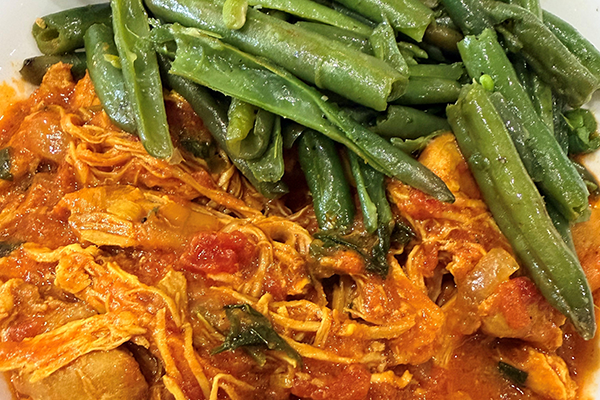
- Serve the chicken and sauce over brown rice or alongside cooked vegetables such as green beans. Top with the remaining cilantro and enjoy.