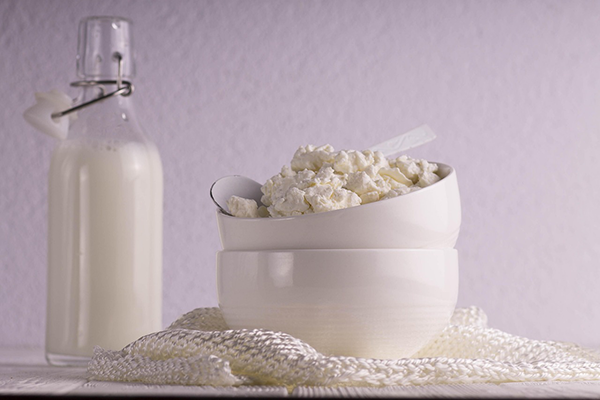
Dairy has been a dietary staple for thousands of years, providing essential nutrients and enhancing the flavor of many dishes. Although dairy is recognized for its strong nutritional profile, concerns about its potential to trigger gastrointestinal discomfort and inflammation have contributed to increasing confusion. In response to this confusion and ethical concerns, cow’s milk consumption has seen a steady decline in the U.S. and some European countries since the 1990s. Read on for a deeper dive into the benefits and drawbacks of dairy and dairy alternatives and for practical tips to help you navigate the dairy dilemma.
Is dairy a hero or hazard? 🥛✨ Dive into our latest blog exploring myths, benefits, and plant-based alternatives. #DairyDebate #Nutrition #FoodMyths #SASLife Share on XThe Basics
Dairy encompasses milk and its derivatives—including butter, cream, cheese, yogurt, and kefir—which are typically sourced from cows, goats, or sheep. Despite their grocery store location, eggs are not dairy products. Dairy products contain protein (casein and whey), fat (both saturated and unsaturated), and carbohydrates (mainly lactose). The exact amount of each depends on the type of dairy product. Key micronutrients found in dairy include calcium, phosphorus, potassium, vitamin A, vitamin D, and B vitamins.
Why Dairy Tastes So Good
Dairy’s rich and creamy texture and sumptuous umami flavor make it an appealing part of many dishes from comforting entrees and sides to decadent desserts. Cravings for dairy can also be linked with casein, the most abundant type of protein in milk. During digestion, casein produces opioid-like peptides known as casomorphins—most notably β-casomorphin-7—which can cross the blood-brain barrier and bind to dopamine (the “pleasure” chemical) receptors.
Health Concerns
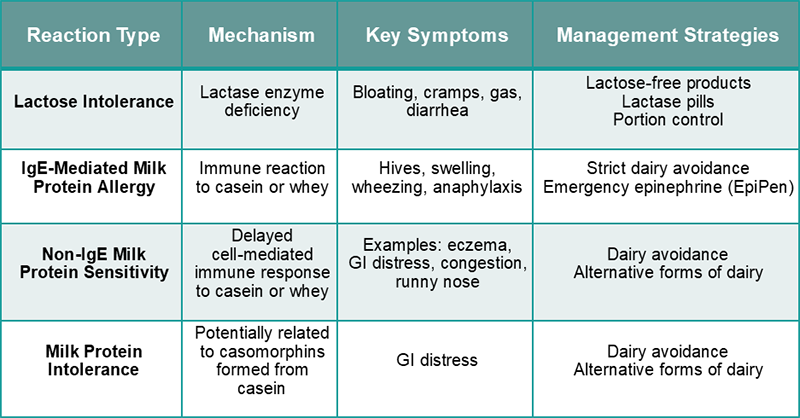
Lactose intolerance, milk protein allergies, and other dairy sensitivities can cause unwanted symptoms in certain individuals. Lactose intolerance occurs when the small intestine does not produce enough lactase enzyme to properly break down milk sugar leading to bloating, gas, cramps, nausea and/or diarrhea. Allergic reactions to milk proteins can range from hives to anaphylaxis. Sensitivities to dairy protein (also known as a non-IgE mediated allergy may result in gastrointestinal distress and increased inflammation associated with anything from skin irritation to joint pain. To boot, several studies have associated standard milk that contains the A1 casein with gut health changes—altering the microbiome, reducing intestinal motility, and increasing fermentation in the colon. Sometimes, problems with digesting dairy are temporary. For example, people who can usually tolerate dairy may feel worse if their digestion is already upset by something like a stomach bug.
Types of Adverse Reactions to Dairy
Dairy Variations
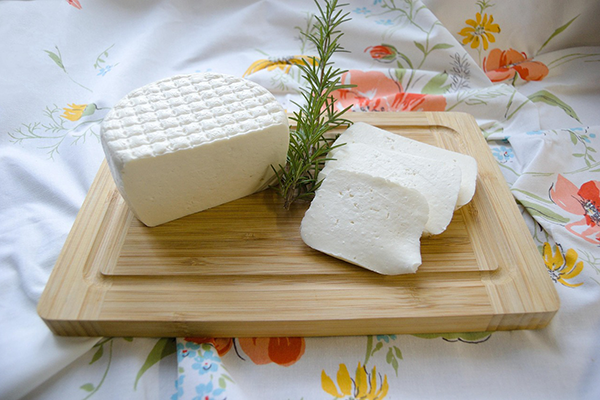
To address intolerances, sensitivities and other dietary concerns, consumers can now choose from a variety of milk products designed for improved digestibility and reduced allergenic potential. Here are some popular varieties:
- Lactose-Free Dairy: Uses lactase enzyme to break down lactose, making it suitable for those with lactose intolerance; note that sugar content is still present on the label.
- Fermented Dairy: Includes yogurt, drinkable yogurt, kefir, and some cottage cheese. Probiotic bacteria in these products help reduce lactose, improve digestibility, and support a healthy gut microbiome.
- A2 Dairy: Sourced from sheep, goats, and A2 cows (like Guernsey and Jersey breeds), these products contain a different type of casein protein that may be easier to digest than the standard variety.
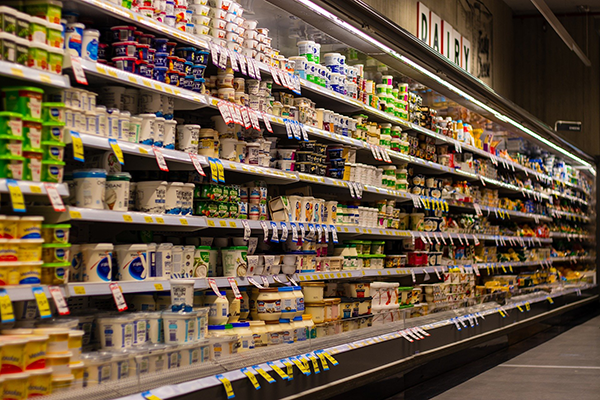
- Ultra-Filtered Milks & Shakes: These options are higher in protein and lower in lactose than standard milk. Pioneer Pastures is one brand that offers lactose-free, A2 milks and protein shakes without artificial sweeteners.
Environmental Impact and Ethics
Aside from potential human health concerns, many folks aim to avoid dairy altogether for ethical reasons. Standard dairy farming has significant environmental impacts, including chemicals and pollution associated with raising livestock, high greenhouse gas emissions and significant water requirements. Factory farming practices also raise animal welfare concerns, such as the separation of calves from their mothers shortly after birth. Ethical and health concerns have driven the food industry to respond with an abundance of nondairy alternatives
Nondairy Options
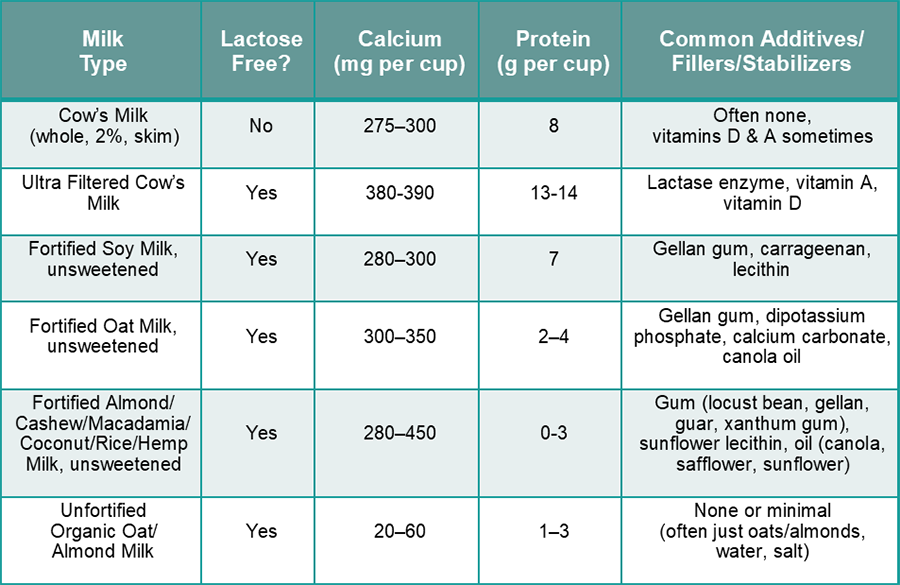
For those who need or want to avoid dairy altogether, nondairy milks, yogurt and even cheese made from nuts, seeds, grains, and legumes offer a variety of flavors and nutritional profiles. Just be sure to read labels and watch out for added sugars and other additives. Some brands that offer additive-free nondairy milks include: Mooala, Elmhurst, Malk Organics, Califia Farms, and Three Trees.
Comparison of Milk Varieties
Choose What’s Right for You
Dairy can be a valuable part of a balanced eating pattern for many individuals, but it’s important to take your unique health needs and preferences into account. With a wide range of both dairy and nondairy alternatives available, you can choose products that best support your goals. Always check ingredient labels to avoid unwanted additives like added sugar and fillers, and consider grass-fed options when possible. Enjoy dairy products in moderation, and consult with a registered dietitian nutritionist or other qualified healthcare provider for personalized guidance if you have allergies, sensitivities, or intolerances.
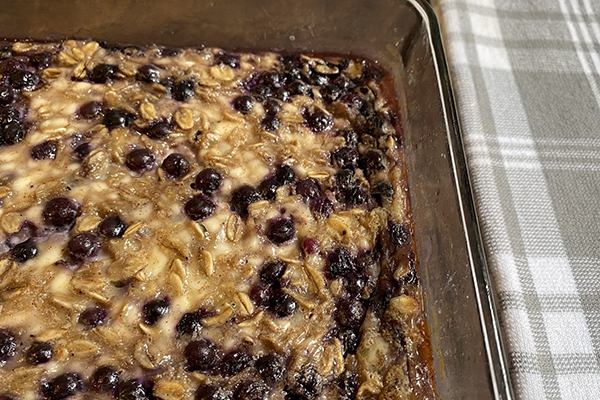
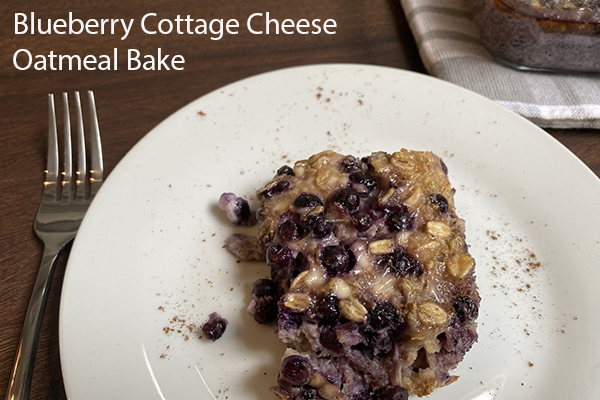
Blueberry Cottage Cheese Oatmeal Bake
Makes 6 servings
Recipe from Taste of Magic
PRINT RECIPE
Ingredients
1 cup cottage cheese
2 large eggs
¼ cup milk
¼ cup maple syrup or honey
1 tsp vanilla extract
½ tsp ground cinnamon
⅛ - ¼ tsp salt
½ cup old-fashioned rolled oats
½ tsp baking powder
1 cup fresh or frozen blueberries
Instructions
- Preheat oven to 350°F.
- Spray an 8x8 baking dish with non-stick spray, grease with coconut oil, or line with parchment paper.
- Whisk cottage cheese, eggs, milk, sweetener, vanilla, cinnamon, and salt until smooth.
- Stir in oats and baking powder. Fold in blueberries.
- Pour into dish. Bake 35 minutes until set.
- Store in refrigerator for up to 4-7 days.
Notes
If using a different size baking dish, adjust the baking time accordingly. A larger pan, making a thinner bake may cook faster, while a deeper bake in a smaller pan may take a few extra minutes.