Manufacturing

Analytics | Artificial Intelligence | Fraud & Security Intelligence
David Pope 0
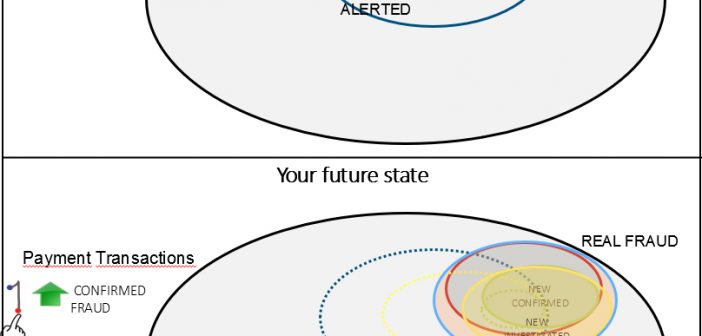
How using analytics and AI to detect payment fraud netted an immediate $16 million ROI

According to the Price Waterhouse Cooper 2018 Global Economic Crime and Fraud Survey, the reported rate of economic crime is on the rise, up to 49% in 2018. That makes the use case I want to share particularly relevant, no matter what industry or sector you're in. This use case

Advanced Analytics | Machine Learning
Tim Clark 0
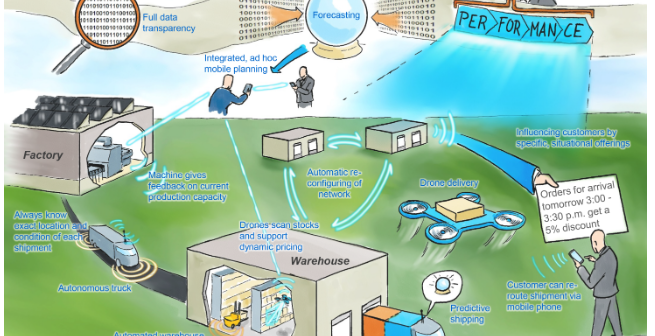
Can the artificial intelligence of things make the supply chain intelligent?

As you will have read in my last blog, businesses are demanding better outcomes, and through IoT initiatives big data is only getting bigger. This presents a clear opportunity for organisations to start thinking seriously about how to leverage analytics with their other investments. Demands on supply chains have also

Advanced Analytics | Analytics | Artificial Intelligence | Machine Learning
Charlie Chase 0
How do I explain a flat-line forecast to senior management?

How do you explain flat-line forecasts to senior management? Or, do you just make manual overrides to adjust the forecast?    When there is no detectable trend or seasonality associated with your demand history, or something has disrupted the trend and/or seasonality, simple time series methods (i.e. naïve and simple

Analytics | Artificial Intelligence | Machine Learning
Charlie Chase 0
Is machine learning practical for statistical forecasting?

There's been a lot of hype regarding using machine learning (ML) for demand forecasting, and rightfully so, given the advancements in data collection, storage, and processing along with improvements in technology. There's no reason why machine learning can't be utilized as another forecasting method among the collection of forecasting methods

Analytics | Artificial Intelligence | Internet of Things | Machine Learning
Charlie Chase 0
Practical approaches to new product forecasting using structured and unstructured data

When it comes to forecasting new product launches, executives say that it's a frustrating, almost futile, effort. The reason? Minimal data, limited analytic capabilities and a general uncertainty surrounding a new product launch. Not to mention the ever-changing marketplace. Nevertheless, companies cannot disregard the need for a new product forecast

Analytics | Artificial Intelligence | Machine Learning
Charlie Chase 0
Will artificial intelligence replace humans?

We have entered the “second machine age.” The first machine age began with the industrial revolution, which was driven primarily by technology innovation. The ability to generate massive amounts of mechanical power made humans more productive. Where the steam engine started the industrial revolution, the second machine age has taken

1 4 5 6 7 8 16