The human body functions like a finely tuned system, where even the smallest components can have outsized effects. One of those small but mighty components is the gut microbiome – an ecosystem of bacteria, viruses, fungi and parasites living inside your intestines. These microscopic powerhouses influence how food is digested and absorbed, how the immune system works, as well as how we feel, think and behave.
When the gut microbiome is healthy and balanced, we thrive. However, when this balance is off (a condition known as gut dysbiosis), it can contribute to a wide range of health issues from bloating and fatigue to autoimmune conditions, anxiety and chronic inflammation.
Your gut isn’t just about digestion—it’s your mood, immunity, and energy too. 🧠💪 Start with one small change and build a healthier microbiome from the inside out. #GutHealth #SASLife Share on XBuilding a Healthy Gut
In today’s fast-paced, convenience-driven world, building a resilient gut takes intention and consistency. Here are 5 science-backed strategies that work together to build a balanced, strong gut microbiome. These do not need to be followed in order. Start with 1 or 2 strategies that are attainable, then build from there as you are ready.

1. Nourish
Food is one of the most direct ways to build up (or break down) your gut microbiome.
What to Eat
- A variety of minimally processed colorful foods – notably plant-based foods like whole grains, fruits, vegetables and legumes which directly support gut health.
- Fiber – acts as food for the gut microbiome and helps ensure regular bowel movements. Depending on calorie intake, adults need around 25-35g of fiber every day. Check out this blog for ideas on how to reach your daily fiber goals.
- Phytonutrients and polyphenols – reduce gut dysbiosis, lower inflammation and support microbial diversity. Phytonutrients are what give plants their color so more color = more phytonutrients. Use this rainbow checklist for inspiration on new fruits and veggies to try.
- Fermented foods – yogurt, sauerkraut, miso, natto, kimchi and tempeh have famous gut balancing benefits that increase microbiome diversity and enhance immune function.
What to Limit
- Highly processed foods
- Added sugars and artificial sweeteners
- Food dyes, preservatives and additives
While it’s nearly impossible to fully avoid all of these ingredients, you can start to chip away at them by:
- Eating more whole, minimally processed foods.
- Carefully reading labels and ingredients lists.
- Choosing organic when able (follow the Environmental Working Group’s guide).

2. Hydrate
Water helps regulate body temperature, transports nutrients, cushions joints and, very importantly, helps you poop. Constipation is never fun, but beyond the physical strain it causes, constipation has also been associated with changes in gut microbiome diversity and function.
As a general guideline, aim for ½ ounce of water for every pound of body weight (e.g., 160 lbs = 80 oz).
- Drink a glass of water first thing in the morning.
- Keep a refillable bottle nearby throughout the day.
- Refill your water bottle or cup as soon as it’s empty.
- Infuse water with lemon, lime, pineapple or other fun fruit/veggie/herb combinations.
- Avoid or limit sugary drinks (juice, soda, lemonade, etc.) which can negatively impact the gut microbiome.

3. Move
Physical activity isn’t just good for your heart and muscles, it cultivates a more diverse and balanced gut microbiome.
But there’s a kicker – you must keep moving to sustain the beneficial changes to gut microbiome diversity. Once you stop exercising, the changes appear to start reversing.
- Aim to participate in at least 150 minutes of moderate-intensity exercise each week (e.g., brisk walking, cycling, swimming). This can be broken up throughout the week such as being physically active for 30 minutes, 5 days a week – or maybe 50 minutes, 3 days a week.
- Include strength training and balance/flexibility exercises for a well-rounded routine.
- Be mindful of intensity level. Longer duration, high-intensity exercise can disrupt optimal gut microbiome balance.

4. Sleep
Interestingly, our gut microbes have their own circadian rhythm. When you get enough quality sleep, your gut microbiome’s rhythm is also optimal, and it can continue functioning as it needs to - including producing serotonin and melatonin which are essential for good sleep.
However, when your sleep is off, your gut microbiome’s is too. Even as little as 2 nights of sleep deprivation has been shown to decrease good gut bacteria and increase harmful gut bacteria. And sadly, recovery isn’t that quick, taking up to a week to get back to baseline.
Adults need 7-9 hours of restorative sleep each night.
- Establish a consistent sleep-wake schedule. Yes, this means going to bed and waking up around the same time every day (weekends included).
- Avoid screens at least 1 hour before bedtime.
- Creating a calming bedtime routine (e.g., warm bath, reading, meditation).
- Incorporate magnesium-rich foods and/or take an Epsom salt bath.

5. Breathe
Chronic stress – whether from deadlines or daily worries – can throw your gut microbiome off balance.
On the flip side, having a rich diversity of gut microbes optimizes vagus nerve function and heart rate variability. A healthy gut supports a healthy vagus nerve, and a healthy vagus nerve supports a healthy gut. It’s a two-way street!
- Practice mindful breathing – pausing and slowly breathing while engaging your heart and mind (e.g., 4-7-8 breath, box breathing).
- Meditate, take a walk in nature or do some yoga.
- Cultivate coherence through techniques that sync the heart, brain and body.
- Laugh with friends, have a dance party, journal, etc. – whatever supports emotional resilience for you.
“All Disease Begins in the Gut”
…Hippocrates said it best over 2,000 years ago. The gut truly is the foundation for lifelong health. Your gut health journey doesn’t require perfection – just a commitment to start, and the courage to keep going.
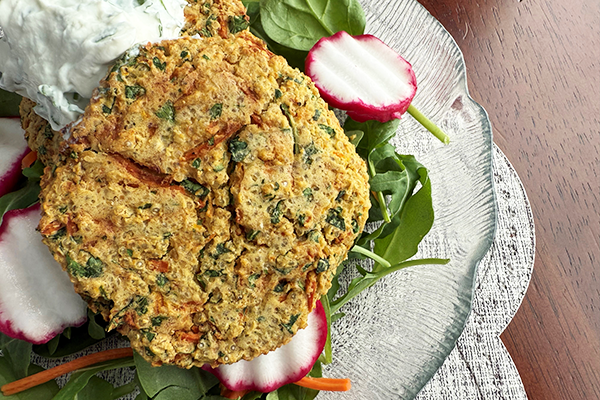
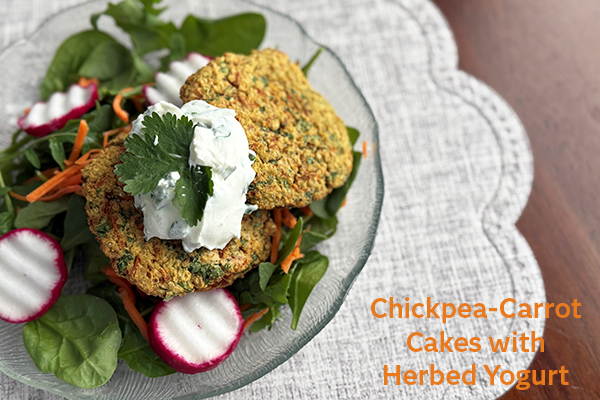
Chickpea-Carrot Cakes with Herbed Yogurt
Makes 4 patties
Recipe adapted from Martha Stewart
PRINT RECIPE
Ingredients
1 Tbsp olive or avocado oil
3 cloves garlic, minced
1 cup grated carrots
salt and pepper, to taste
1 can chickpeas, drained
½ cup cooked quinoa or brown rice
1 large egg
¾ cup packed chopped fresh cilantro, divided
¾ cup plain Greek yogurt
1 tsp avocado oil
1 tsp garlic powder
Instructions
- Heat 1 Tbsp oil in a skillet over medium heat. Add garlic and sauté for 1 minute. Add carrots, salt and pepper and cook for another 1-2 minutes.
- Add chickpeas, quinoa or rice, and egg to a food processor and blend into a paste.
- Add carrot mixture, ½ cup chopped cilantro, salt and pepper, pulsing to combine.
- Form into 4 patties.
- Place in air fryer, cooking at 350°F for 12-15 minutes, flipping halfway, until the outside is crisp and golden.
- While patties are cooking, mix yogurt, remaining ¼ cup chopped cilantro, 1 tsp avocado oil and 1 tsp garlic powder. If you want this more of a dressing consistency, thin with a little water.
- Serve chickpea cakes over mixed greens and top with a generous dollop of the herbed yogurt mixture.
Note: If you don’t have an air fryer, these chickpea cakes can be prepared in a skillet. Add 2–3 Tbsp of oil to a pan and heat over medium-high. Cook each patty for 3–4 minutes per side, or until golden and firm.