Get the latest machine learning algorithms and techniques

Find out what SAS Global Forum 2019 conference chair MaryAnne DePesquo says about the upcoming conference in Dallas.
Get the latest machine learning algorithms and techniques
Find out what SAS Global Forum 2019 conference chair MaryAnne DePesquo says about the upcoming conference in Dallas.
지난 'SAS 커스터머 인텔리전스 360(SAS Customer Intelligence 360): 머신러닝의 블랙 박스 모델이란’ 블로그에서 머신러닝 모델은 다면적이고 계속 진화하는 주제라고 소개해드린 바 있는데요. 오늘은 머신러닝 모델의 해석력(Interpretability)에 대해 자세히 살펴보고자 합니다. 머신러닝 모델은 놀라운 예측 능력을 제공하지만 매우 복잡하여 이해하기 쉽지 않습니다. 또한 머신러닝 모델은 예측한 결과에 대한 명확한 설명도 제공하지 않기
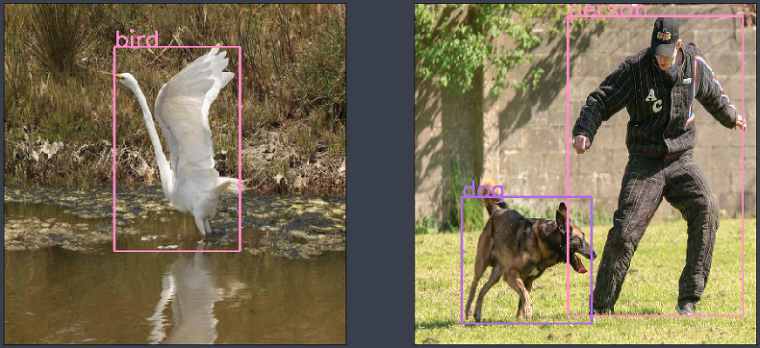
PythonからSAS Viyaの機能を利用するための基本パッケージであるSWATと、よりハイレベルなPython向けAPIパッケージであるDLPyを使用して、Jupyter NotebookからPythonでSAS Viyaの機能を使用して一般物体検出(Object Detection)を試してみました。 今回は、弊社で用意した数枚の画像データを使用して、処理の流れを確認するだけなので、精度に関しては度外視です。 大まかな処理の流れは以下の通りです。 1.必要なパッケージ(ライブラリ)のインポートとセッションの作成 2.一般物体検出向け学習用データの作成 3.モデル構造の定義 4.モデル生成(学習) 5.物体検出(スコアリング) 1.必要なパッケージ(ライブラリ)のインポートとセッションの作成 swatやdlpyなど、必要なパッケージをインポートします。 from swat import * import sys sys.path.append(dlpy_path) from dlpy.model import * from dlpy.layers import * from dlpy.applications import * from dlpy.utils import * from dlpy.images import ImageTable from dlpy.splitting import two_way_split from dlpy.blocks import *