SAS Learning Post
Technical tips and tricks from SAS instructors, authors and other SAS experts.

Who says anyone is an expert at something? I definitely do not when it comes to SAS (well, anything for that matter). Each time I sit through a presentation at a conference I learn something new. During the SAS Western Users Conference, fondly know as WUSS, this month I learned
Manfred Kiefer is a Globalization Specialist for SAS and the author of SAS Encoding: Understanding the Details. This week's tip is from his new book. In a review, Edwin Hart said "This book provides a very readable description of a topic that has long needed exposure: Why do my characters get
SAS users world-wide have turned to Susan Slaughter, Lora Delwiche, and The Little SAS Book to learn SAS programming. This week's SAS tip is from their bestselling fourth edition of the book (the fifth edition is now available for preorder). Whichever version of The Little SAS Book you use, you'll benefit from the friendly
This week's SAS tip is from A. John Bailer and his book Statistical Programming in SAS. A Fellow of the American Statistical Association, John has been using SAS for 30 years. He's also Distinguished Professor and Chair of the Department of Statistics at Miami University. To read a free chapter and user reviews
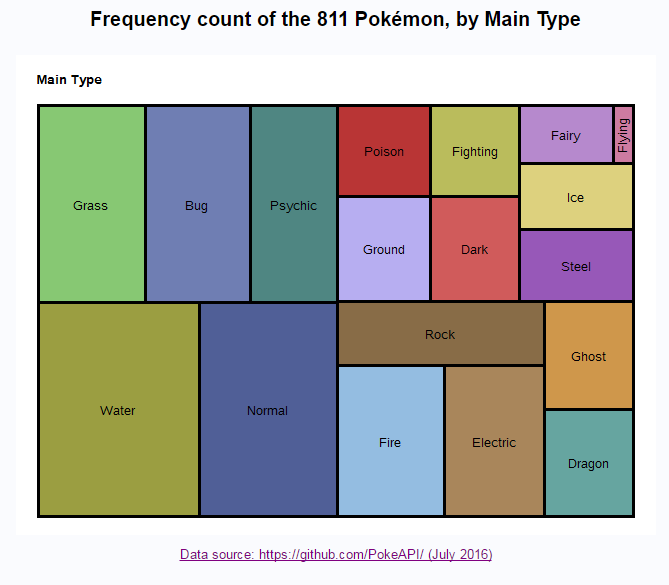
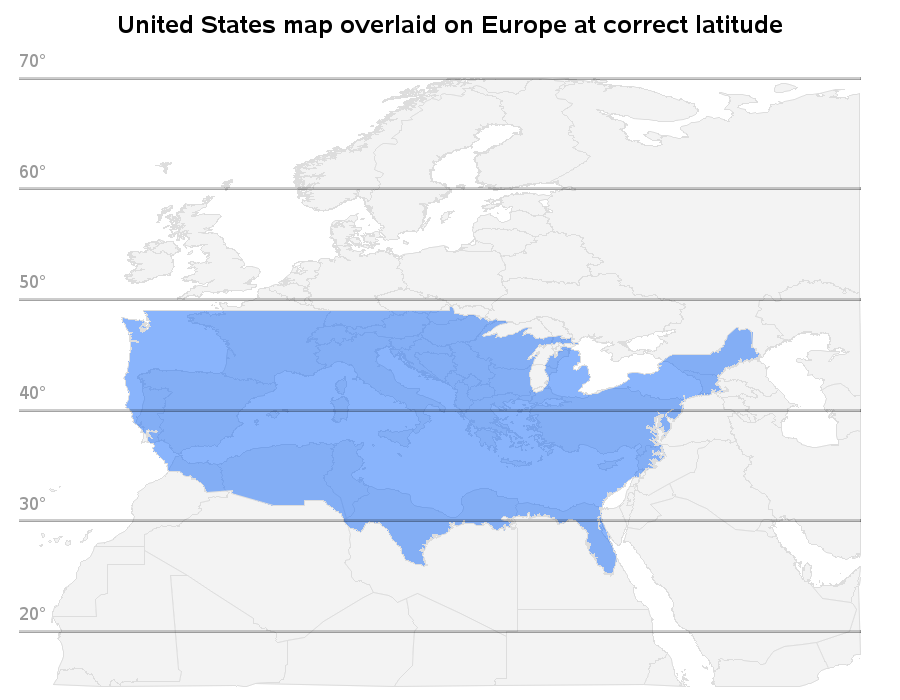
Facebook has millions of users, and therefore when people share an interesting graph on Facebook it can "go viral" and millions of people might see it. Some of the graphs are obviously a bit biased - especially ones that are trying to sway your opinion one way or another on a topic
Do you use SAS for analytics and Microsoft Excel for graphs? Why not use SAS for your graphs too?!? Then you could completely automate the entire process in one SAS program, with no manual steps! A lot of people use Excel to create their graphs because "it's what they know." What if somebody