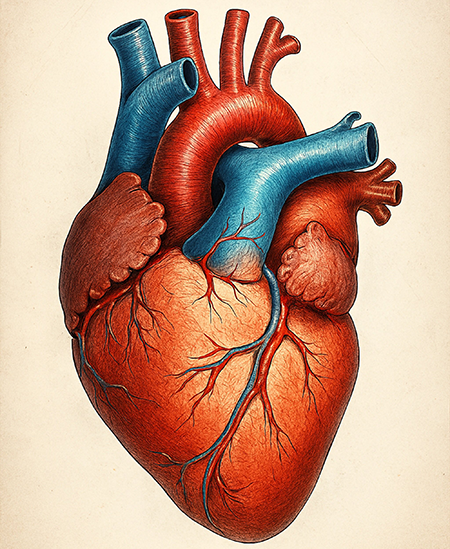
Heart disease remains the leading cause of death in the U.S. and around the world. In fact, more than half of all U.S. adults are living with some form of cardiovascular disease. With annual costs topping $400 billion in the U.S. alone, researchers continue to look for better ways to prevent and treat it.
One area getting more attention is Lipoprotein(a), or Lp(a). The American College of Cardiology (ACC) and the American Heart Association (AHA) recently updated guidelines for assessing heart disease risk. In the 2026 Management of Dyslipidemia Guidelines, measuring Lp(a) is now included. According to the guidelines, a Lp(a) level of 125 nmol/L (50 mg/dL) or higher is considered high and is associated with a 40% relative increase in atherosclerotic cardiovascular disease (ASCVD) risk compared with lower levels.
New heart disease risk guidelines address Lipoprotein(a) levels. Check out this blog to find out why. #saslife Share on XWhat is Lipoprotein(a)?
Lipoprotein(a) is primarily made in the liver. It is similar to LDL cholesterol, but with an extra protein called apolipoprotein(a) attached. It is also the primary carrier of oxidized phospholipids. These special additions promote inflammation, plaque buildup, increased progression of calcification, and a greater risk of blood clots. In plain terms, higher Lp(a) levels may increase your risk for heart disease, stroke, and other conditions tied to blocked arteries.
For years, Lp(a) flew under the radar and was not routinely tested, likely in part because of the lack of prescription treatment options. It may also help explain why many people who have heart attacks have what look like “normal” cholesterol levels. Today, elevated Lp(a) is considered an independent risk factor for heart disease.
Researchers currently believe that about 70-90% of Lp(a) levels are genetically determined, although the genes involved are still being identified. In other words, there is still a lot we do not know. There are promising new medications, some in the final stages of human trials, that have reduced Lp(a) levels by as much as 98%. If those drugs gain FDA approval, testing for Lp(a) will likely become much more common. Of course, big reductions like that may also come with tradeoffs or long-term effects we do not fully understand yet, which is exactly why more research is needed.
Fun fact: Lipoprotein(a) is present only in humans, apes, Old World monkeys and hedgehogs.

Dietary Strategies to Lower Lp(a)
The majority of dietary studies on lowering Lp(a) have focused on fats, including saturated fats, monounsaturated fats, trans fats, and other experimental fats we wouldn’t normally see in real foods. The results have been mixed. Many studies found little effect, while others conflicted with one another. Interestingly, very low-fat diets may raise Lp(a), even when LDL levels improve. But when the focus shifts away from single nutrients and toward overall eating patterns rich in plant foods, the findings become more encouraging.
Studies centered on balanced meals made with real, whole foods appear to show the most promise in lowering Lp(a). Anti-inflammatory eating patterns that emphasize vegetables, legumes, fruits, nuts, seeds, whole grains, herbs, and spices—along with adequate high-quality protein—seem to offer the greatest benefit, not only for Lp(a) but also for many other heart disease risk markers.
As a dietitian, that is not surprising. Eating in a way that supports nutrient needs, lowers inflammation, and helps keep glucose and insulin levels in check supports overall health. The nuances of nutrition for Lp(a) will probably keep evolving and will continue to be debated, but in the meantime, about 90% of Americans still do not meet basic fruit and vegetable intake guidelines. So, for most people, there is plenty of room to improve heart health without getting lost in every detail.
Supplements that Reduce Lp(a)
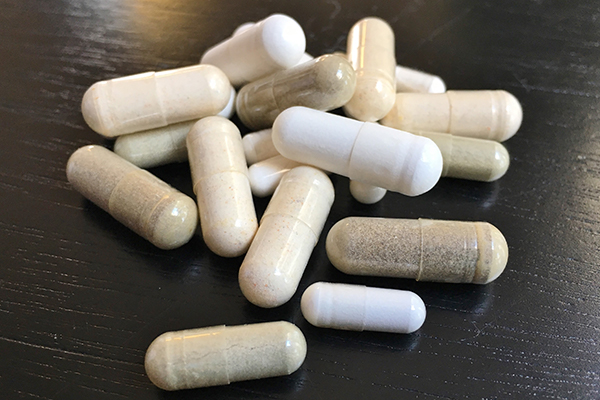
Alongside changes in overall eating habits and a reduction in highly processed foods, some supplements may also help lower Lp(a).
- Flaxseed: 3 tablespoons of ground flaxseed daily reduced Lp(a) by 14%
- Curcumin: 1,000 mg a day reduced Lp(a) by 10% to 16%
- Ginkgo biloba: 120 mg twice daily reduced Lp(a) by 23%
- Apple pectin: 15 g per day reduced Lp(a) by up to 27% (For reference, one 100 g apple contains about 2 g of pectin.)
- L-carnitine: 1 to 4 g daily reduced Lp(a) by 13% to 37%
- CoQ10: 120 to 300 mg daily reduced Lp(a) by 15% to 28%
- Niacin (specifically slow-release nicotinic acid): 1 to 4 g daily reduced Lp(a) by 20% to 40%, although side effects can be a major concern
- Xuezhikang, a standardized red yeast rice extract: 1.2 g daily reduced Lp(a) by up to 28% (This is especially interesting because red yeast rice appears to contain a compound similar to the active ingredient in statins, yet statins themselves may slightly increase Lp(a) in some studies.)
Some of these supplements may be helpful, but they are not risk-free. Side effects and medication interactions are possible, so it is important to talk with a knowledgeable dietitian or health care provider before starting any supplements, especially if you take prescription medications.
Hormones
Regulating thyroid and sex hormones may also affect Lp(a) levels. Studies suggest that men with low testosterone and elevated Lp(a) saw levels drop by 28-32% when testosterone was corrected. Similar patterns have been reported in postmenopausal women using hormone replacement therapy, with reductions of 17-23%. In people with hypothyroidism, correcting thyroid levels has been associated with about a 23% reduction in Lp(a).
Liver and Kidney Disease
Because Lp(a) is produced mainly in the liver and broken down in the kidneys, problems with either organ can have a major impact on Lp(a) levels.
Bottom Line
Heart disease is not caused by a single factor or one elevated lab value, so the answer is rarely as simple as lowering one number. A better approach is to keep focusing on the lifestyle and nutrition habits that have long been shown to support overall health.
It can also be helpful to work with a knowledgeable dietitian to create a plan that fits your lifestyle and to decide whether supplements make sense for you. Stay consistent with annual physical exams and follow-up appointments so your healthcare team can monitor risk factors that may need treatment.
Our understanding of Lp(a) is still evolving, and we will almost certainly learn more in the years ahead. In the meantime, eating more vegetables is still a pretty solid place to start.
Mediterranean Bowl with Salmon
Serves 4-5
Recipe adapted from: The Real Food Dietitians
PRINT RECIPE

Ingredients
Marinade
½ cup extra virgin olive oil
1 lemon, juiced
2 Tbsp fresh oregano leaves (or 2 tsp dried oregano)
1 Tbsp fresh dill, roughly chopped (or 2 tsp dried dill)
2 garlic cloves, minced
1 tsp maple syrup
½ tsp sea salt
¼ tsp black pepper
Bowl
4 salmon fillets (about 1-1 ¼ lbs)
4 cups romaine lettuce or mixed greens
1 cup sliced English cucumber
1 cup halved cherry tomatoes
½ cup sliced red onion
1 can garbanzo beans, drained and rinsed
⅓ cup pitted kalamata olives, halved
½ cup feta cheese, crumbled (optional)
1 avocado, sliced or diced
Optional additions: Tzatziki, quinoa
Instructions
- In a small bowl combine the marinade ingredients. Place salmon in a shallow dish. Pour half of the marinade over the salmon and marinate for 15 minutes while you begin to prepare the rest of the ingredients. Save the remaining marinade for later.
- After 15 minutes, place salmon, skin side down, on a baking sheet lined with parchment paper. Broil in the oven on medium-high heat for 8-9 minutes or until salmon is cooked through and flakes easily. Remove from the oven and let rest for 5 minutes. If needed, cover loosely with foil to keep warm.
- In a bowl, combine cucumbers, cherry tomatoes, red onion, and garbanzo beans. Toss with the remaining marinade. Set aside.
- To assemble bowls, add a handful of greens to each bowl and divide the cucumber/tomato/garbanzo bean mixture amongst the bowls. Add a salmon fillet (skin should easily remove from fillet) and top with feta cheese crumbles, pitted kalamata olives, and avocado.