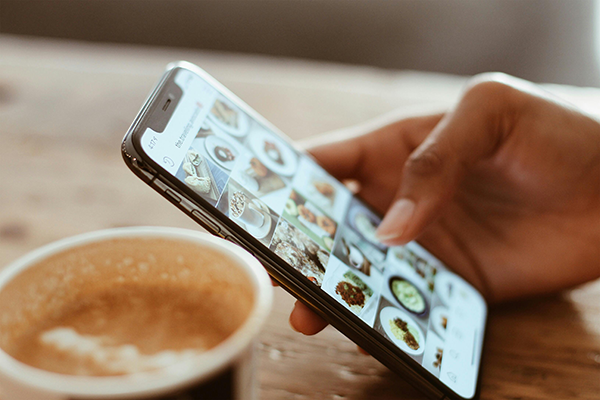
If you have decided to track your food intake recently, you might feel overwhelmed by all the options. There are hundreds (even thousands) of food tracking apps available, with new ones popping up all the time. Apps like MyFitness Pal, Lose It! and Cronometer have been around for a long time and are by far the most popular out there. Newer ones tend to be more focused on AI photo logging. Many of these platforms promise convenience, insight, and precision. Yet despite their popularity, a growing body of research shows that food tracking apps—especially photo‑based apps—often produce inaccurate and misleading data.
Understanding where and why these inaccuracies occur is important to understand how to interpret the data they provide.
That “exact” calorie count in your food tracker can be an illusion of precision. Biggest culprit? Portion size estimation—especially with photo-based logging. However, awareness is more important than perfection. #saslife Share on XThe Illusion of Precision
Most food tracking apps give you very specific data —calories to the exact number, macronutrients down to the gram. This level of precision creates an illusion of accuracy, even when the underlying data may be flawed.
Digital nutrition tools rely on three core inputs:
- Food identification
- Portion size estimation
- Food composition databases
While errors in any of these areas compound quickly, portion size estimation is consistently identified as the largest contributor to tracking inaccuracies.
Even when manually logging foods, portion estimates are often incorrect, both under ‑ and over‑reporting across food groups, particularly for mixed dishes, fats, and energy‑dense foods. The newer photo‑based food tracking apps are even more likely to be inaccurate.
A 2024 study evaluated popular image‑based apps under different image‑capture conditions. The results showed that:
- Calories were consistently overestimated
- Carbohydrates were frequently underestimated
- Accuracy varied significantly based on lighting, plate type, and food presentation
Even small changes—such as food touching on a plate or poor lighting—altered nutrient estimates substantially.
According to the research so far, it seems that mixed dishes (casseroles, stir-fries, soups, etc.) and ethnic or culturally diverse dishes were the ones that were most inaccurate. Homemade meals with variable ingredients were also very inaccurate. One study found that AI‑integrated apps overestimated calories in some mixed dishes by nearly 50% and underestimated others by more than 70%, depending on the food.
Database Errors and Crowdsourcing Issues
Many food tracking apps rely heavily on crowdsourced food databases. While large, these databases often contain:
- Duplicate entries
- Incorrect serving sizes
- Inaccurate nutrient values
- Missing nutrient values
Even apps with verified databases are limited by the fact that food composition tables represent averages, not individual preparation methods, brands, or recipes.
Consequences of Inaccurate Tracking
Beyond technical limitations, inaccurate food tracking can have real behavioral consequences:
- False perceptions of overeating or undereating
- Increased food anxiety or obsessive tracking
- Misguided dietary adjustments based on faulty data
However, it doesn’t mean that these apps can’t be useful. Tracking your food intake can help bring awareness to not only what you are eating but eating patterns in general. And, for most of us, it may not matter if the data is 100% accurate. We can get a general idea of, for example, if our carbohydrate intake is too high, or protein intake is too low, or if we need to add more fiber, etc.
Overall, if you (and your dietitian/nutrition professional) decide that tracking your food could be helpful for you, then it is worth a shot. Just keep in mind that the data won’t be 100% accurate.
Wondering how that smart watch plays into this? Check out Can You Trust Your Smartwatch.
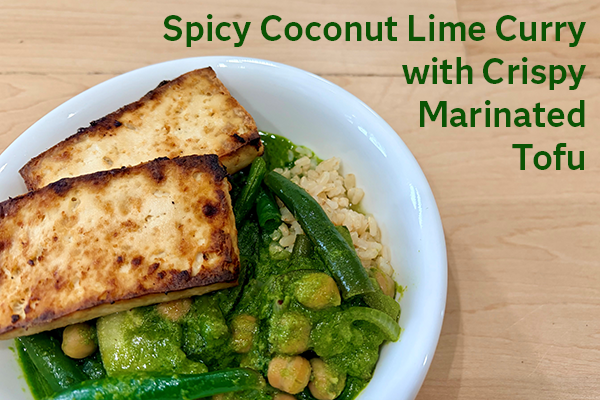
Spicy Coconut Lime Curry with Crispy Marinated Tofu
Makes 4-6 servings
Recipe adapted from: Wandering Chickpea
PRINT RECIPE
Ingredients
For the Tofu
- 2 14 oz blocks extra firm tofu, drained
- 3 Tbsp olive oil
- 3 Tbsp lime juice
- 2 Tbsp miso
- 1 Tbsp cornstarch
For the Curry
- 1 13.5 oz can full-fat unsweetened coconut milk
- 3 jalapeños, stems removed (seeds removed for less spicy)
- 1 small bunch cilantro
- 2 garlic cloves
- 1 Tbsp oil
- 2 shallots, thinly sliced
- 2 large zucchinis, sliced
- 1 ½ tsp cumin
- 1 tsp coriander
- 2 cups green beans, sliced
- 1 15 oz can chickpeas, drained and rinsed
- 1 tsp salt
- Juice from 1 lime
For Serving
- Cooked brown basmati rice, if desired
Instructions
For the Tofu
- Slice tofu into ½-inch slabs crosswise. Place the pieces on a clean kitchen towel or several sheets of paper towel and gently press and flip to remove excess moisture.
- Whisk together oil, lime juice and miso, then pour into a large casserole dish, large freezer bag, or other flat bottom mixing bowl.
- Place dry tofu slices into the container so they are fully covered by the marinade. Let sit at room temperature for at least 30 minutes or up to overnight in the fridge.
- To bake, preheat the oven to 425º F and line a rimmed baking sheet with parchment paper.
- Sprinkle a thin coating of cornstarch on the marinated tofu and place in a single layer on the baking sheet.
- Bake for 10-15 minutes, then flip each piece and return to the oven for another 10 minutes or so until golden brown and crispy.
For the Curry
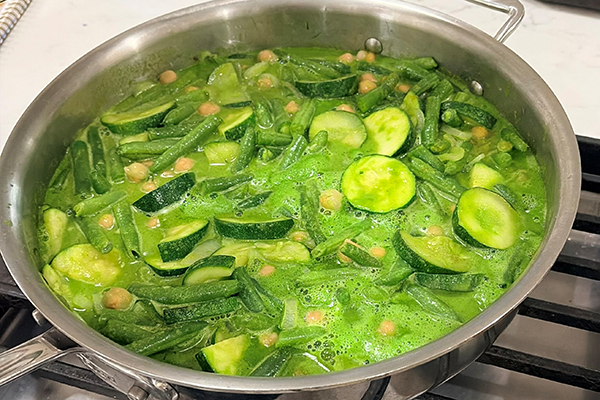
- To make the curry sauce, add coconut milk, jalapeños, cilantro, and garlic cloves to a high-speed blender. Blend until smooth. Set aside until ready to use.
- Heat oil in a large skillet over medium heat. When shimmering, add shallot and zucchini. Cook for 6-8 minutes or until just beginning to soften.
- Stir in cumin and coriander and cook for another 2-3 minutes before adding in the blended curry sauce, green beans, chickpeas and salt.
- Bring to a boil and reduce until the sauce has thickened and the vegetables are tender - about 10 minutes.
- Squeeze in lime juice and add salt to taste if needed. Serve with basmati rice, crispy tofu and another squeeze of lime juice.