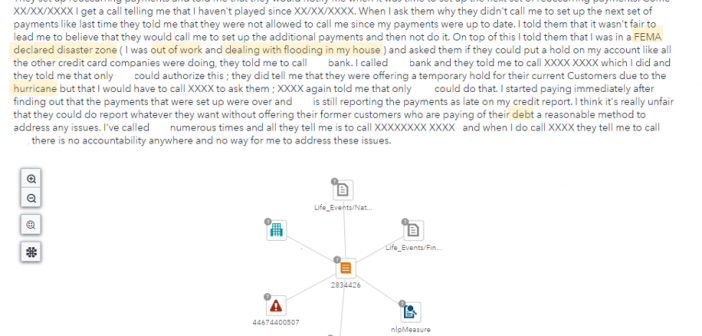
The Text Investigation Framework is a flexible solution for addressing text challenges across several domains. It was designed to create a process for turning unstructured text data into a decisioning system.

The Text Investigation Framework utilizes several technologies built on SAS Viya, including SAS Visual Text Analytics, SAS Visual Data Mining and Machine Learning, and SAS Visual Investigator. SAS Visual Investigator acts as the orchestrator to surface the results. With its broad set of capabilities, SAS Visual Investigator can perform scenario authoring, alert generation and disposition, and comprehensive workflow to gather vital outcomes and feedback.
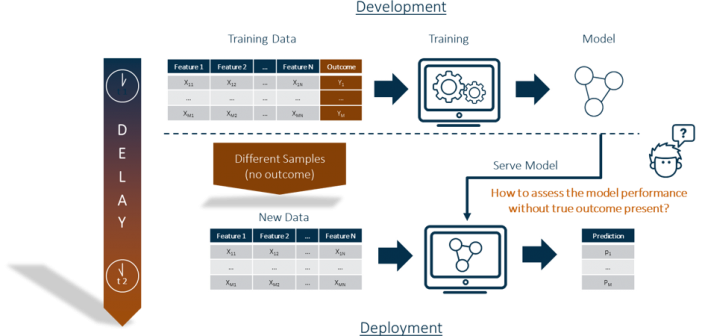
Most model assessment metrics, such as Lift, AUC, KS, ASE, require the presence of the target/label to be in the data. This is always the case at the time of model training. But how can I ensure that the developed model can be applied to new data for prediction?
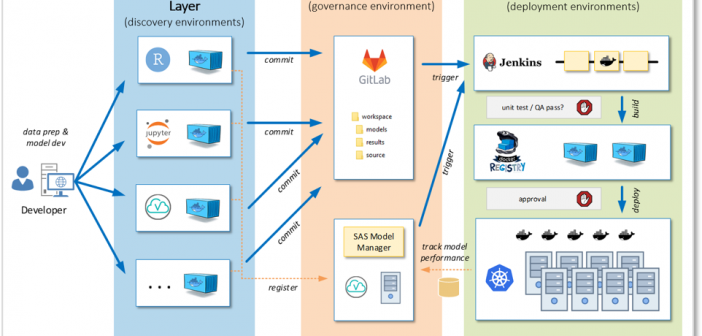
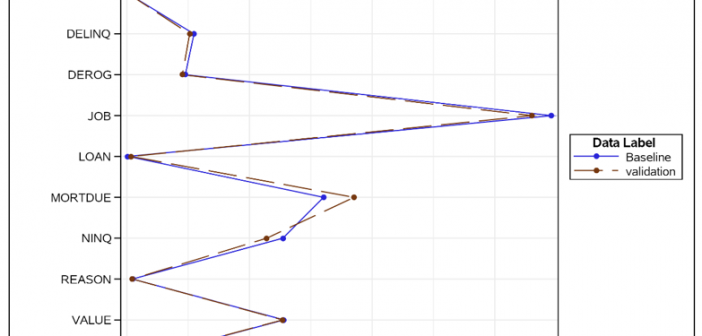
This post describes a fully automated validation pipeline for analytical models as part of an analytical platform, which has been set up recently as part of a customer project.
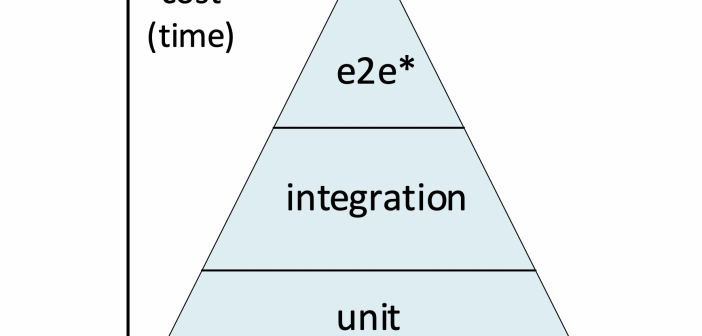
Let us now take a look at a well-known metaphor for test case development in the software industry. We are referring to the idea of the “test pyramid."
In total, there are four posts in this blog series, this is the first post describing some basic principles of the DevOps (or ModelOps) approach.
This is the fourth post in my series of 10 machine learning best practices. It’s common to build models on historical training data and then apply the model to new data to make decisions. This process is called model deployment or scoring. I often hear data scientists say, “It took
The increasing use of predictive analytics in mission-critical business decisions and operations brings new challenges to the forefront for many of our customers. Throughout the last year I spoke to many customers about their use of predictive analytics and where they see areas of improvement to achieve even more success
In part 1 of my thoughts about analytics maturity, I deferred talking about issues related to the actual assessment of your organization’s level. Today I intend to detail some of the ways my peers and I are thinking about analytical maturity, comment on scales in use today, and address some