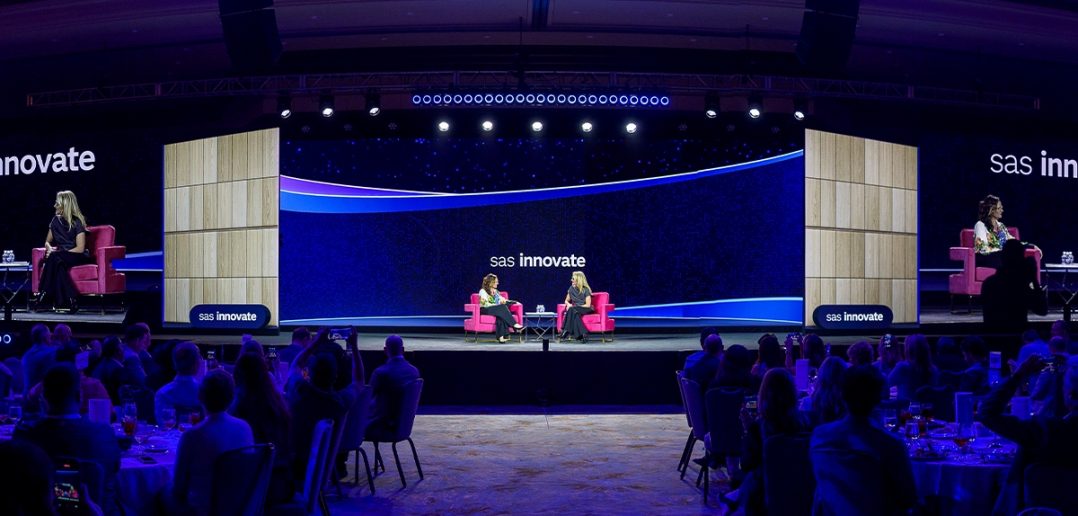
At SAS Innovate 2026, best-selling author and podcaster Mel Robbins joined CMO Jenn Chase on the main stage for a candid, energizing conversation about change – why it’s so hard, why it feels relentless right now and how we can show up more effectively as leaders, teammates and humans.
From the first minutes, Robbins set the tone: Real change isn’t about controlling others. It’s about understanding what’s actually in our control and using it well.
Robbins explained that our brains handle change but favor familiar patterns because those patterns conserve energy. That tension between what we know we need to do and what our brains resist fuels stress, frustration and decision fatigue.
She set clear goals for the session: simplify what feels complicated, reduce unnecessary stress, and help people feel more grounded and in control. “I want you to feel more in control,” she said, “and I also want to help you protect yourself from a lot of unnecessary stress and drama that is currently draining your time and energy.”
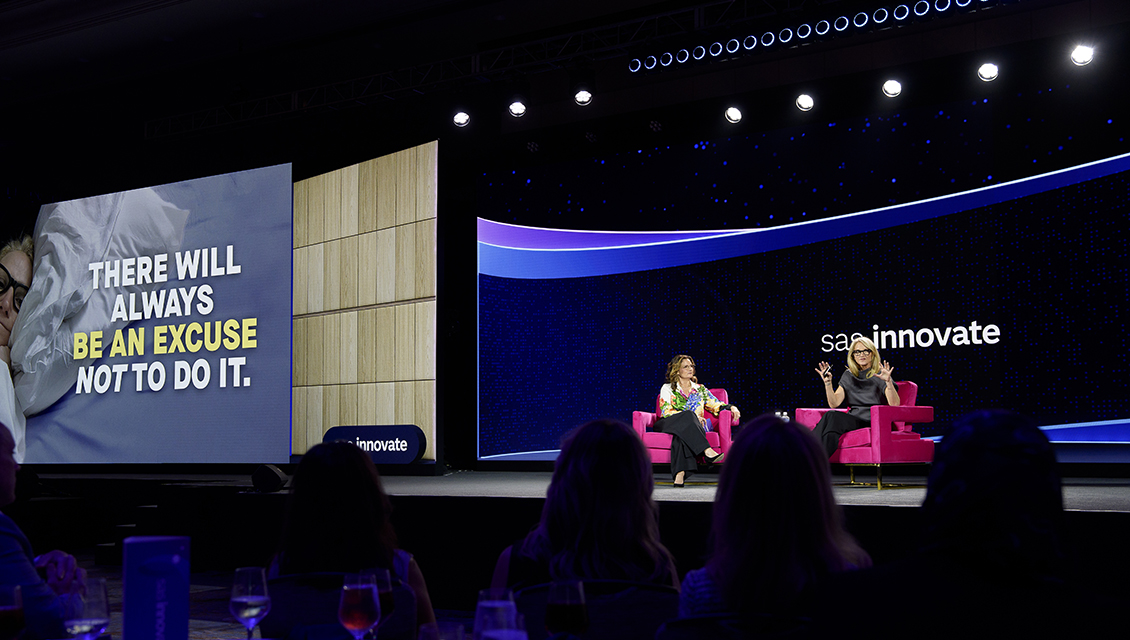
I want you to feel more in control, and I also want to help you protect yourself from a lot of unnecessary stress and drama that is currently draining your time and energy. Mel Robbins
Robbins introduced her standout “let them, let me” framework. “Let them” is about recognizing what you can’t control – other people’s behavior, decisions or priorities – and setting boundaries so those things don’t hijack your energy. “Let me” is where your own agency returns, refocusing on how you respond, what you prioritize and how you show up. Robbins reminded the audience that chronic stress directly compromises the brain’s ability to think clearly, making this distinction more than just a mindset shift; it’s a performance one.
We can’t slow the pace, but we can control our response to it
The conversation then turned to the accelerating pace of change, especially around technology and AI. Framing the moment, Chase grounded the discussion in a theme echoed throughout the conference. “One of the things that we have been talking about at this conference is the role of human judgment and human ingenuity,” she said. “So if you’re in an organization and you’re being asked to adopt AI and they’re not really understanding the risks in addition to the rewards, or it’s for a purpose that might be just to reduce costs, how can you apply ‘let them, let me,’ but let me influence in a different way?”
Robbins followed with a level-setting perspective: “The pace of change is the slowest you will ever experience it.” The takeaway wasn’t alarm; it was clarity. Since none of us can slow that pace down, the smartest move is learning how to stay calm, focused and strategic within it, rather than letting it push us into constant fight-or-flight mode.
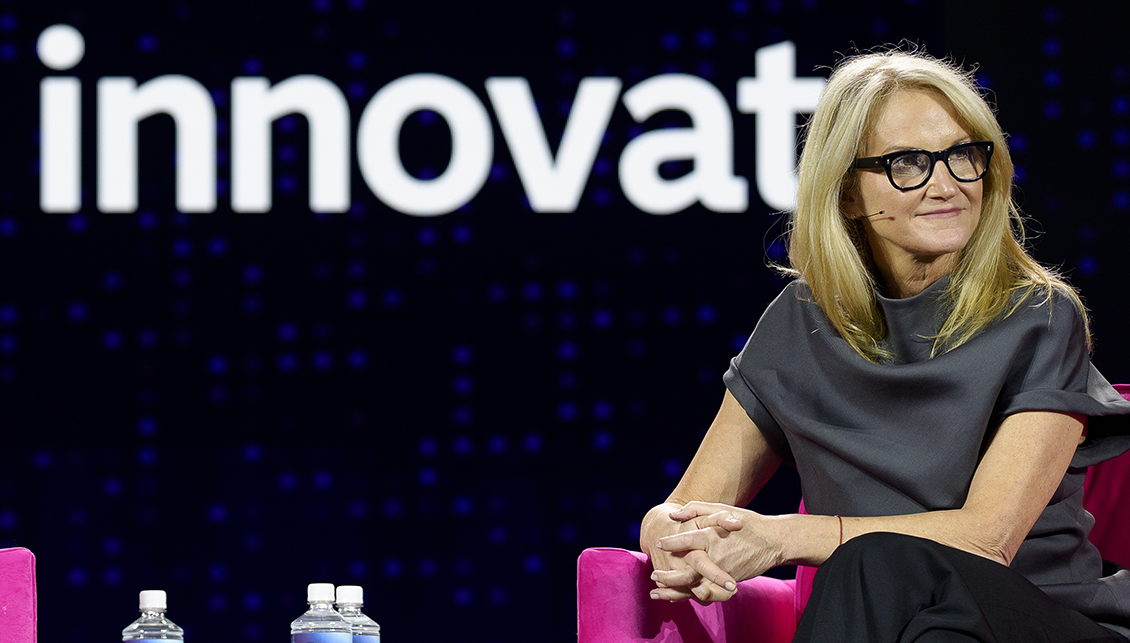
The pace of change is the slowest you will ever experience it. Mel Robbins
Robbins emphasized that fear of losing relevance, control or value often drives resistance to AI and its misuse. Simply mandating adoption can backfire. Influence, she explained, comes from example and experience. When people see colleagues using new tools in ways that genuinely improve their work, curiosity and confidence naturally follow.
Weather creators
Robbins also challenged leaders to think carefully about the environment they create, relating it to the weather or climate we bring to our working world. Stress and urgency spread just as quickly as calm and clarity, leading to one of her most quoted reminders from the session: “If everything in your organization is equally important, nothing is important.” Simplifying priorities and being deliberate about what truly matters, she said, isn’t lowering the bar. It’s making great work possible.
If everything in your organization is equally important, nothing is important. Mel Robbins
As the session wrapped, Robbins offered a practical challenge for life after SAS Innovate: Choose one thing to implement. “Because behavior change and process change at work is no joke,” she said. “And if you bring back 17 things you’re going to do, none of them are going to get done. But if you can say there’s one thing I am going to focus on, and I am going to make this my priority to implement into the way that I’m working, or the way that I’m showing up at home, or the way that I am showing up in meetings, you can make that stick.”
“You’ve given us tools to realize we’re empowered to make the change,” said Chase. “We can do this.”
You’ve given us tools to realize we’re empowered to make the change. Jenn Chase