As we celebrate our 50th anniversary, this Earth Day carries special meaning for us at SAS. For me, it’s also a moment to step back and evaluate what has worked and what it really takes to sustain environmental progress over time.
Reflecting on five decades of environmental stewardship, we didn’t do this through one-off initiatives. It’s been a journey that began long before sustainability became a corporate imperative.
From the very early days of the company, SAS has believed that doing the right thing for the environment is inseparable from doing the right thing for our people, our communities and our future.
That’s the thread that connects everything we’ve done, from the earliest days of the company to where we are now.
A culture of responsibility from the start
Our commitment started in 1976 with something simple but forward‑thinking: recycling computer punch cards. By the early 1980s, composting cafeteria waste to enrich campus gardens and landscaping further reinforced our belief that sustainability should be practical, visible and embedded in everyday operations.
At the time, these weren’t headline initiatives. They were small, operational decisions. These initiatives demonstrated an ethic of being conscious of impact and rethinking how our resources are used.
They also set an early expectation that sustainability was something we were willing to act on, even when it wasn’t easy or widely adopted.
As technology advanced, so did our approach. Progress showed up in decisions like these early on:
- In the mid-1980s, we embraced circular economy principles by repurposing older IT equipment for employee personal use and donations to schools.
- In the 1990s, we reduced single-use plastics by transitioning to reusable cups, plates and containers in break rooms. This may have seemed small at the time, but it reflected a growing awareness of consumption and waste.
Scaling sustainability with structure and accountability
The turn of the millennium marked a significant expansion of our environmental programs.
In 2000, we introduced an employee van pool and rideshare program to reduce commuting emissions, recognizing that environmental impact extends beyond buildings and energy use.
In 2006, the establishment of our Global Environmental Program provided structure and accountability, followed a year later by our first Corporate Social Responsibility Report. It was a public and critical commitment to transparency and progress. Sustainability only scales when it’s measured, governed and consistently prioritized.
Early investments in clean energy and efficiency
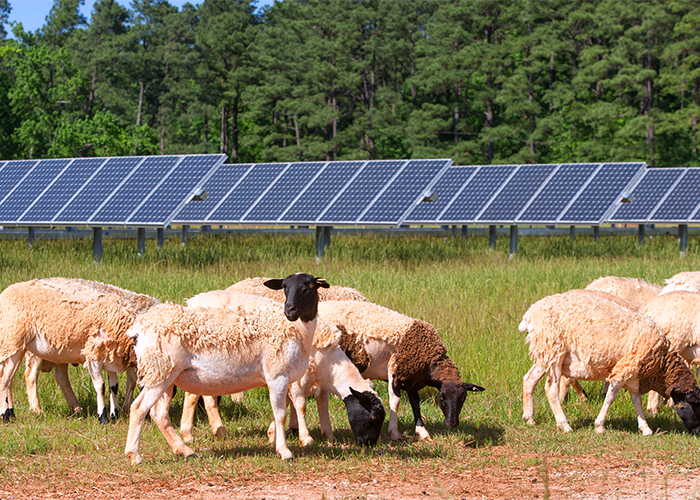
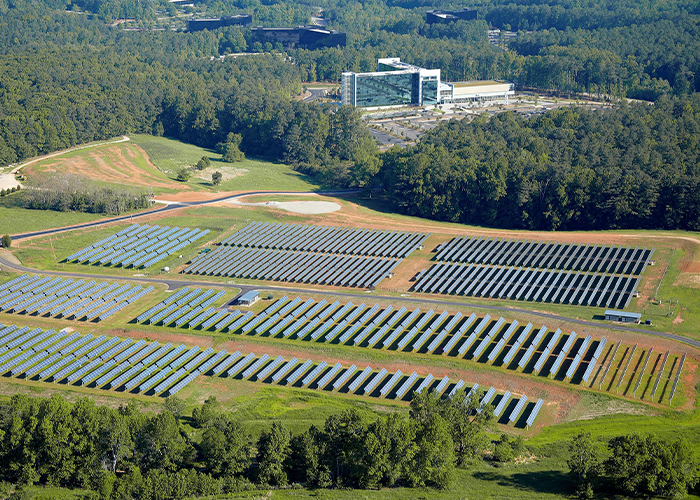
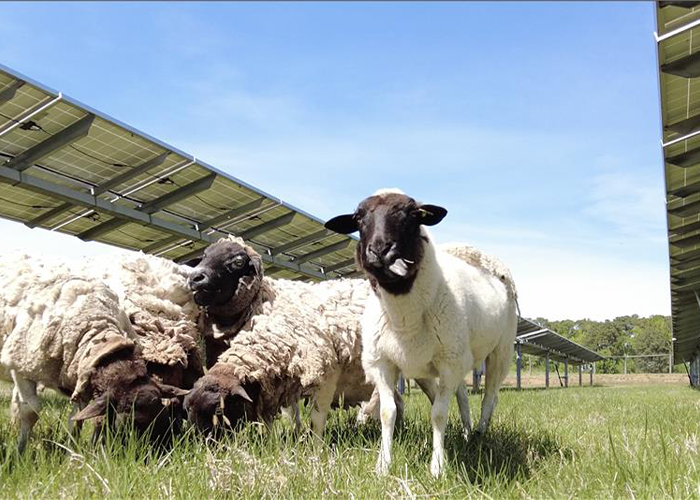
One of our most defining chapters began in 2008, when SAS installed a one‑megawatt solar farm at our headquarters campus – the first of its kind in the southeastern United States.
At the time, this project demonstrated not only the environmental benefits of solar energy but also the viability of a clean energy economy.
That same year, SAS installed two solar thermal hot water systems and our Toronto office was awarded the first LEED‑certified commercial office building in Canada, reinforcing SAS’ commitment to sustainable design worldwide.
We followed this with a second solar farm, our first LEED Platinum-certified office building and electric vehicle charging stations in 2010.
Embedding sustainability across a global footprint
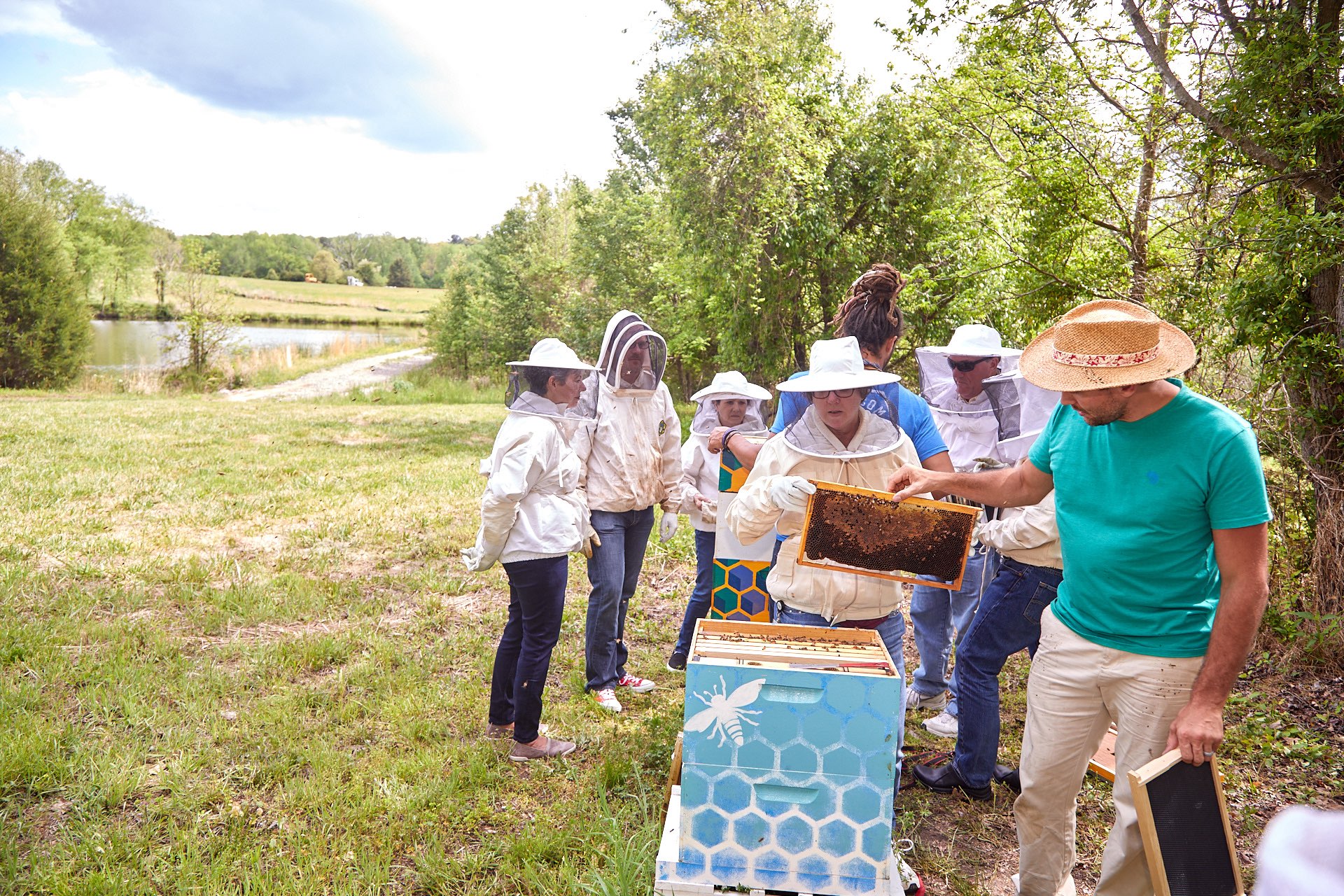
Mitigating our global footprint has been an important part of the environmental journey.
We’ve expanded sustainability through investments in renewable energy, efficient buildings, EV infrastructure and low-carbon products.
We’ve backed that up with ISO-certified environmental and energy management systems and with initiatives focused on doing more with less across offices in North America, Europe and beyond.
Aligning climate action with science and discipline
In recent years, our focus has sharpened around commitments, transparency and alignment with internationally recognized environmental and climate-related reporting standards.
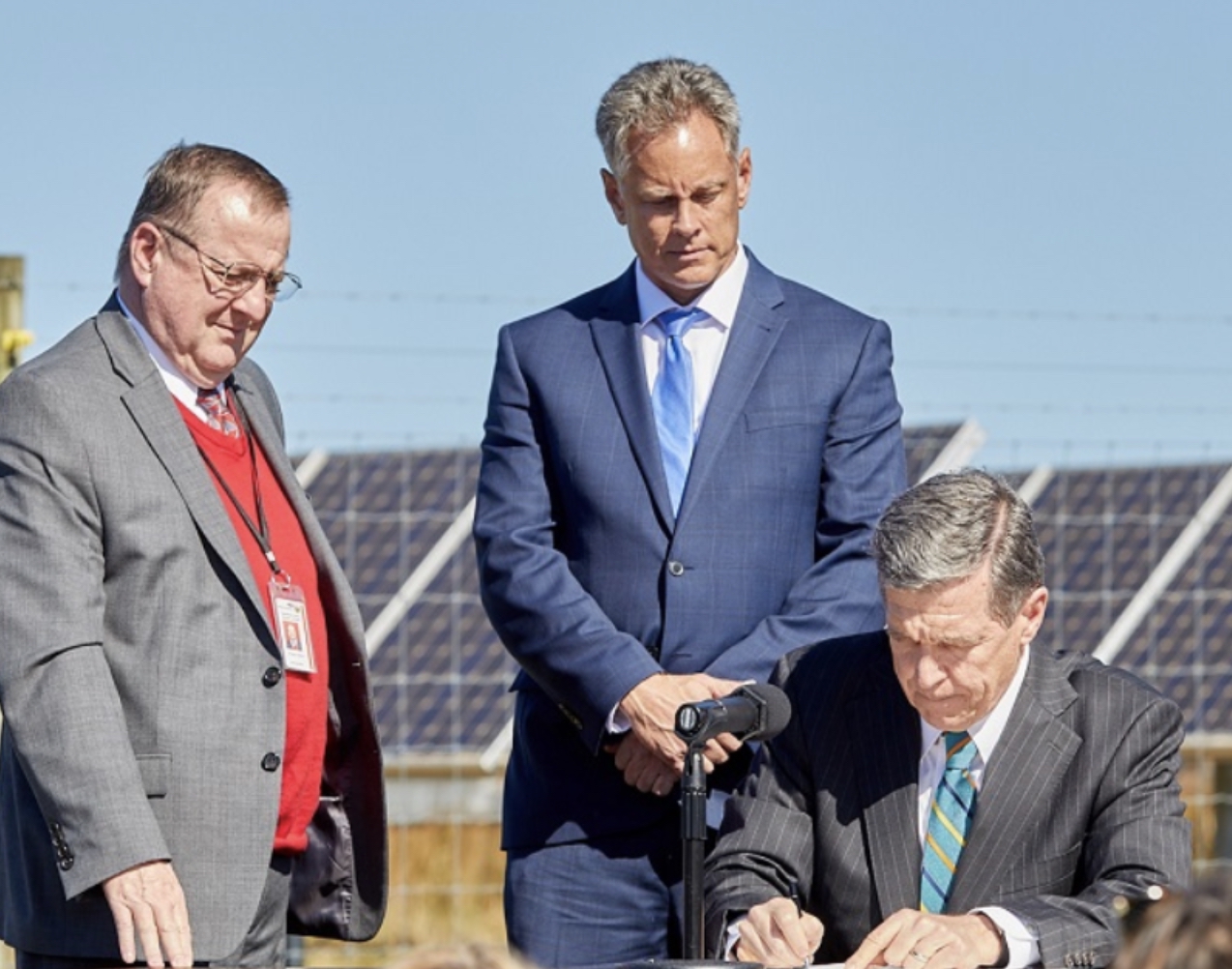
In 2018, because of our longstanding advocacy for the benefits of clean energy, North Carolina’s Executive Order 80 – a landmark legislation committing the state to address climate change, improve energy efficiency and transition to a clean energy economy – was announced at the SAS solar farms. It was a powerful reminder that corporate action can help catalyze broader environmental progress.
These milestones matter. But what matters more is the discipline behind them. Setting targets is the easy part. Measuring progress, making trade-offs and staying accountable over time can be indicators of success.
These achievements reflect years of sustained effort and a commitment to processes and structure that drive continual, measurable improvements across our business operations.
How we’ve held ourselves accountable:
- 2021: Earned Science Based Targets initiative (SBTi) validation for our emission reduction targets, aligning commitments with climate science.
- 2023: Became a part of the first wave of companies earning validation for net-zero commitments.
- 2025: Achieved a 50% reduction in greenhouse gas emissions against our 2018 base year, demonstrating steady progress toward net-zero.
- 2025: Earned ISO 50001 certification for our energy management system at headquarters – improving energy performance through measurement, monitoring and continuous optimization as part of our smart campus initiative.
- 2026: Completed a repowering project for our 18-year-old solar farm, now supplying about 50% of electricity demand for our largest HQ building with renewable energy.
Looking ahead: Stewardship for the next 50 years
As we look back on 50 years of environmental stewardship, what stands out most is consistency.
Long before sustainability became a buzzword, SAS was taking meaningful action. And as expectations, technologies and environmental challenges have evolved, so has our approach.
This Earth Day, we celebrate not just where we’ve been, but where we’re going. The next chapter of our sustainability journey will require the same values that guided our first – curiosity, accountability, innovation and a belief that business can be a force for positive change.
At SAS, environmental stewardship isn’t a separate initiative. It’s part of who we are and it will continue to shape our future for decades to come.