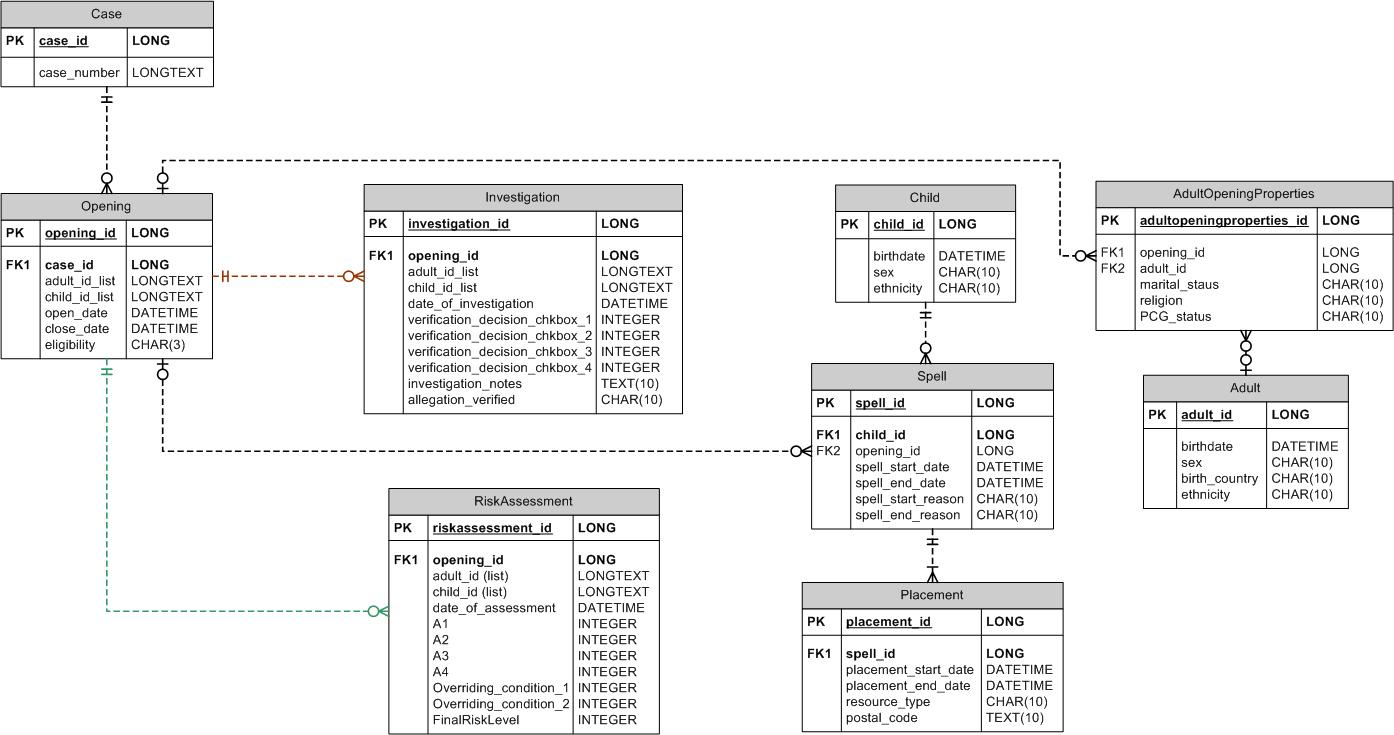
If you routinely import data from external sources, chances are you’ve learned the value in having a systematic import process. In this post, I will begin sharing my approach of using metadata tables to guide the importing of data.
Based on my previous posts, we are almost done with the basics of SAS libraries and how the various clients can access them. Before we leave this topic and go onto third-party database engines, I wanted to spend a few minutes talking about some best practices for making sure that
I am not a big fan of the macro language, and I try to avoid it when I write SAS/IML programs. I find that the programs with many macros are hard to read and debug. Furthermore, the SAS/IML language supports loops and indexing, so many macro constructs can be replaced