In the first two parts of my series (part 1 and part 2), I talked about common ways data governance projects can (and do) fail and offered collaboration between teams as a key to achieving success. In this post, we’ll examine the importance of realizing the full value of your
Uncategorized
If we look at how most data quality initiatives start, they tend to follow a fairly common pattern: Data quality defects are observed by the business or technical community Business case for improvement is established Remedial improvements implemented Long-term monitoring and prevention recommended Move on to the next data landscape
Thought leaders and pundits like me espouse the virtues of big data. Although you'll get no argument from me on the potential benefits of this essential trend, it's important to remember that there is still tremendous value from using basic customer information. Driving home from a networking event on the
In his pithy style, Seth Godin’s recent blog post Analytics without action said more in 32 words than most posts say in 320 words or most white papers say in 3200 words. (For those counting along, my opening sentence alone used 32 words). Godin’s blog post, in its entirety, stated: “Don’t measure
In my last set of posts I started to look at some of the challenges associated with enterprise management of reference data domains, especially as the scope of use for the same conceptual reference domains expands across databases, systems, and functional areas within the organizations. Recognizing the value of capturing
How many projects have you worked on that forgot to test size, volume, and conduct load balancing in a newly converted environment? I have worked on a few of those types of projects. I know in a data warehousing effort, we always check any servers and databases, based on load,
In the first part of my series on ensuring data governance success, I mentioned the importance of linking different teams. Collaboration is an often overlooked, but critically important, part of having a successful project. Not only that, coordination and cooperation helps to create the right culture of data mindfulness throughout
A lot of data quality projects kick off in the quest for root-cause discovery. Sometimes they’ll get lucky and find a coding error or some data entry ‘finger flubs’ that are the culprit. Of course, data quality tools can help a great deal in speeding up this process by automating
Big data? What about the small stuff? In preparing for an upcoming business trip, I decided to rent a car on Enterprise.com. I could have sworn that I had registered on the site at some point, but I couldn't find my user name and password. Call it a senior moment.
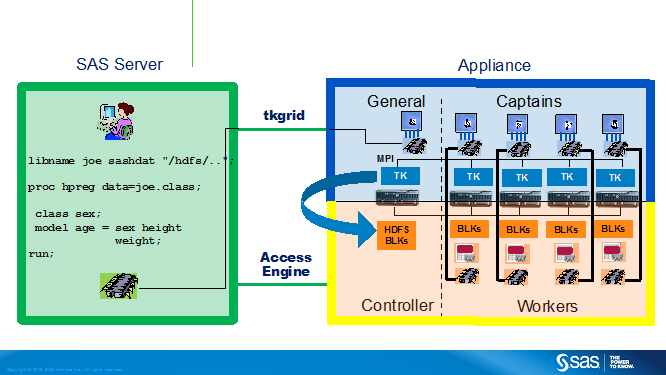
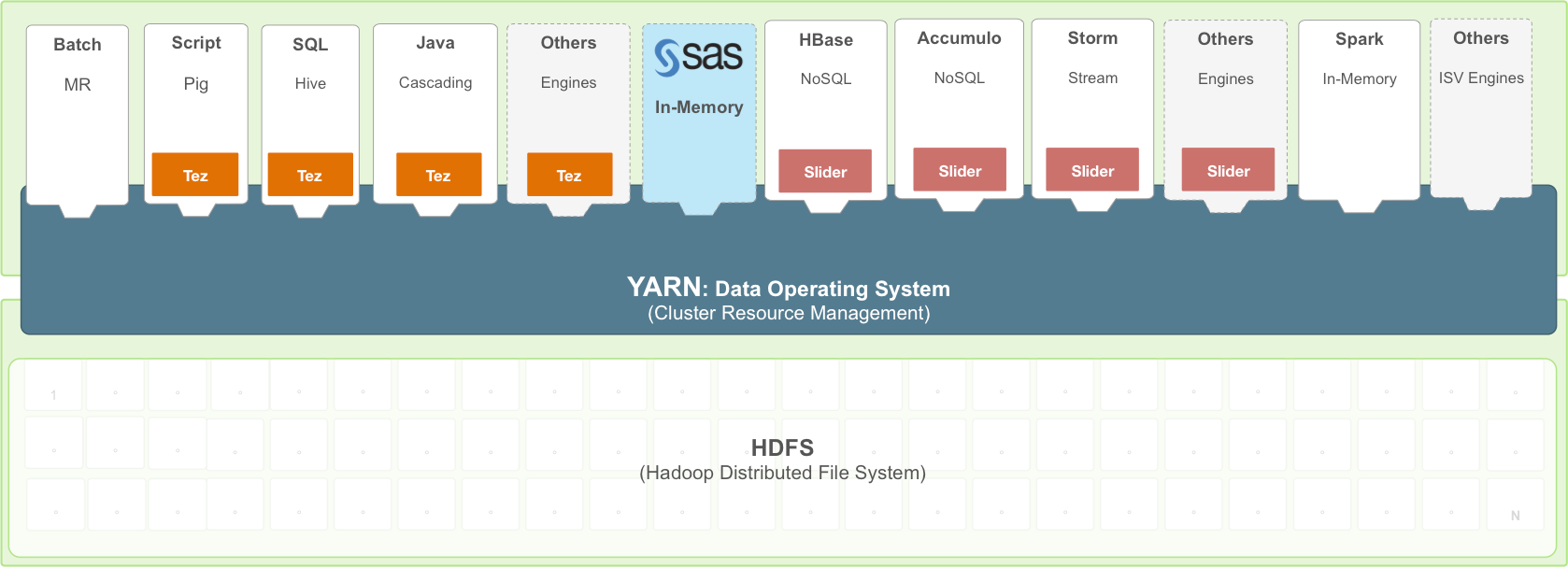
For Hadoop to be successful as part of the modern data architecture, it needs to integrate with existing tools. This integration allows you to reuse existing resources (licenses and personnel) and is typically 60% of the evaluation criteria for integration of Hadoop into the data center. One of the most