Students & Educators

Discover how SAS is shaping tomorrow’s brightest analytical minds

Students & Educators
Nadja Young 0
Value-added myth busting, Part 4: Value-added models cannot measure growth of students who have missing data or are highly mobile

Students with missing test scores are often highly mobile students and are more likely to be low-achieving students. It is important to include these students in any growth/value-added model to avoid selection bias, which could provide misleading growth estimates to districts, schools and teachers that serve higher populations of these

Students & Educators
Nadja Young 1
Busting myths of education value-added analysis, Part 3: Simple growth measures provide better information to educators.

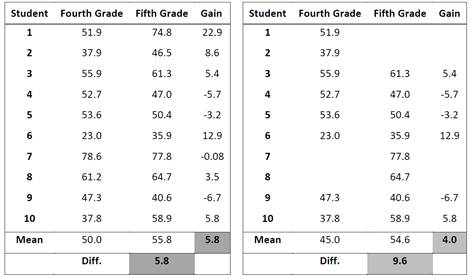
Welcome to Part 3 of the value-added Myth Busters blog series. I have heard a variation of this many times. “Why shouldn’t educators just use a simple gains approach or a pre- and post-test? They can trust simpler methodologies because they can replicate and understand them more easily.” Simple growth measures

Students & Educators
Nadja Young 1
Busting myths of education value-added analysis, Part 2: It is harder to show growth with high-achieving students

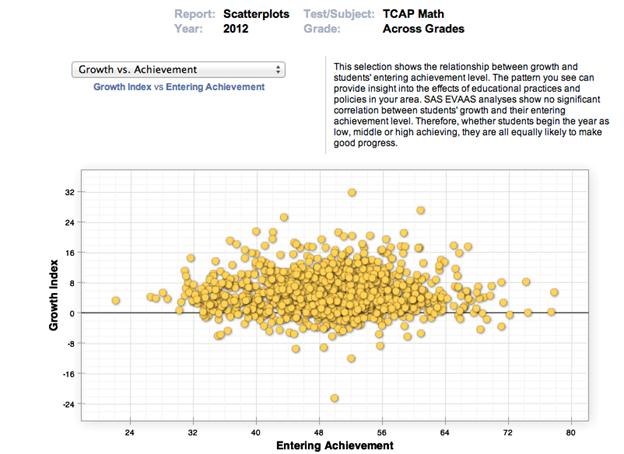
Welcome to Part 2 of the value-added Myth Busters blog series…have you heard this one before? Educators serving high-achieving students are often concerned that their students’ entering achievement level makes it more difficult for them to show growth. “How can my students show growth if they are already earning high

Students & Educators
Nadja Young 1
Busting myths of education value-added analysis, Part 1: You must control for demographics

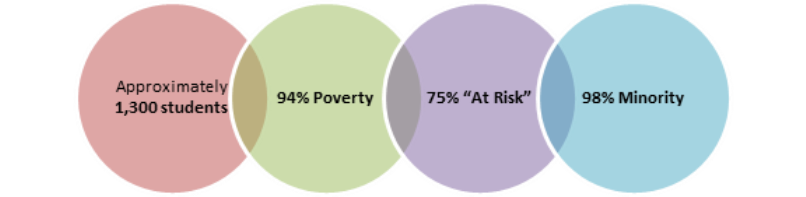
In the past five years, value-added models have been increasingly adopted by states to support various teaching effectiveness policies. As educators make the paradigm shift from looking at only achievement data to incorporating growth data, many misconceptions have developed. Compounding this issue is the fact that not all value-added and

Students & Educators
Nadja Young 1
Transitioning value-added and growth models to new assessments

This summer’s education conferences have been dominated by sessions discussing the “next generation,” Common Core aligned assessments in English and mathematics.  As 44 states plan for the transition from their state tests to the new PARCC and Smarter Balanced Assessment Consortium assessments, SAS has received repeated questions from our partners

Back to Top