
How to create checklist tables in SAS®

Leonid Batkhan shows you easy ways to create a checklist table in SAS software.
Leonid Batkhan shows you easy ways to create a checklist table in SAS software.
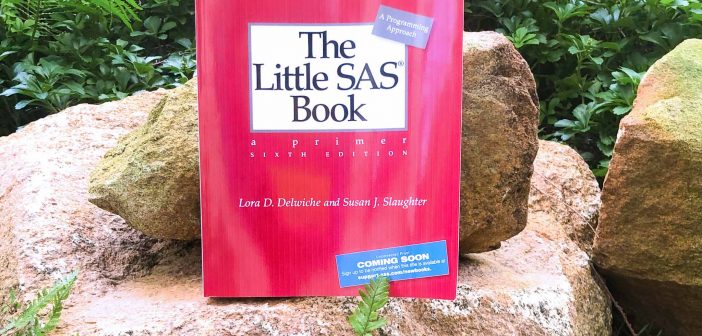
Find out about the changes and enhancements to the best-selling book, The Little SAS Book.
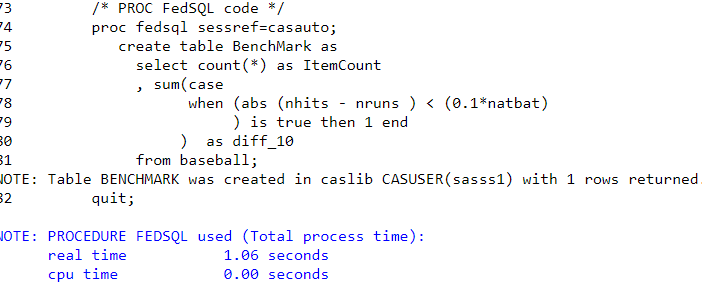
Someone asked SAS' Steven Sober if the PROC SQL example noted first in this post could be refactored into PROC FedSQL so it could run faster by leveraging SAS Viya’s in-memory engine CAS? Yes. Here's how.

When my younger son grabs a book or a toy from his older siblings without permission, his line of defense is always the same: “Sharing is caring!” Our kids' schools teach and reinforce this philosophy. Likewise, our family has rules to ensure peaceful, orderly sharing. Similarly, many organizations value collaboration.
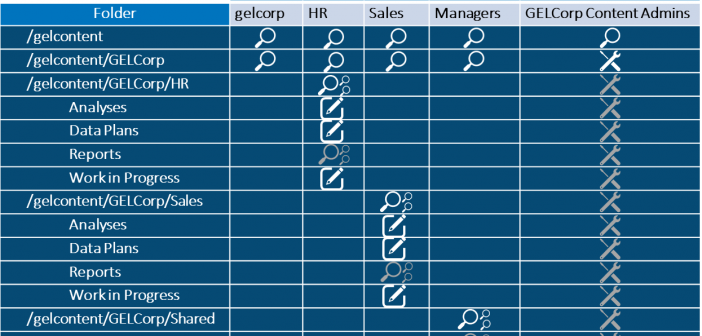
Newcomers to SAS Viya Administration may appreciate these tried-and-tested patterns for securing folders, and the content within them (reports, data plans, models etc.). If you are new to security model design in SAS Viya, this post is for you.

In this post, you'll learn how to parallel load and compress a SAS® Cloud Analytic Services (CAS) Table in one pass of the CAS table.
Generating a word cloud (also known as a tag cloud) is a good way to mine internet text. Word (or tag) clouds visually represent the occurrence of keywords found in internet data such as Twitter feeds.
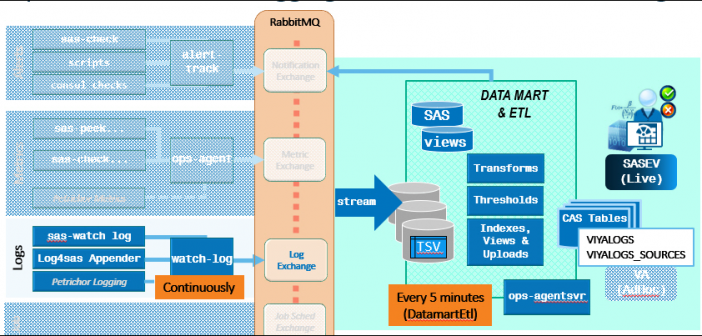
The Viya Operations Infrastructure provides components to collect and store log messages in order to manage a large number of logs enable you to locate messages of interest.
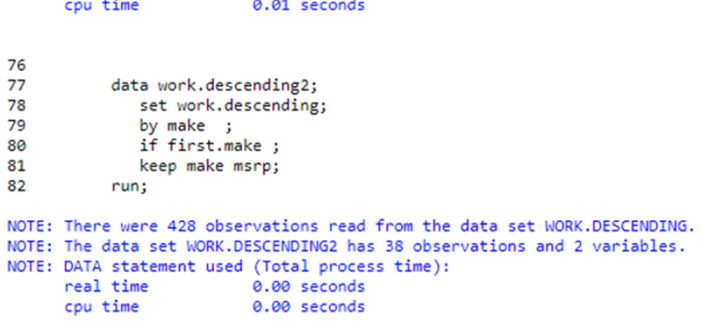
The SAS DATA Step's DESCENDING option on BY variables quickly reveals a data set's largest value.
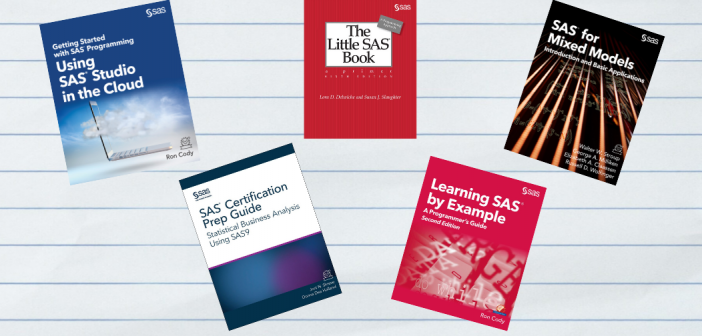
As a fellow student, I know that making sure you get the right books for learning a new skill can be tough. To get you started off right, I would like to share the top SAS books that professors are requesting for students learning SAS. With this inside sneak-peek, you