The DO Loop
Statistical programming in SAS with an emphasis on SAS/IML programs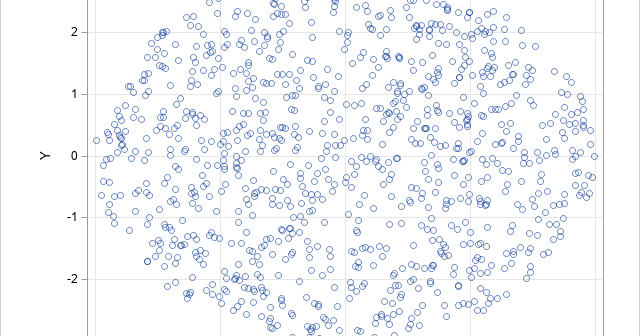

Modern software for statistical graphics automatically handles many details and graph defaults, such as the range of the axes and the placement of tick marks. In the days of yore, these details required tedious manual calculations. Think about what is required to place ticks on a scatter plot. On the
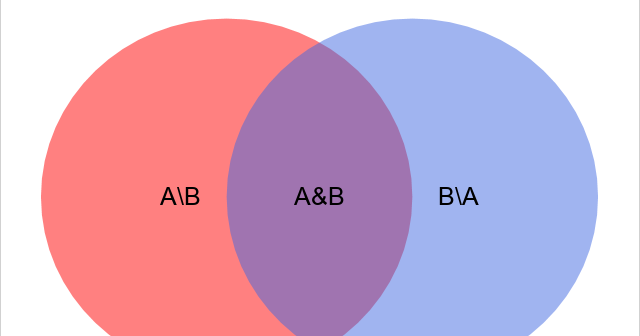
In SAS, DATA step programmers use the IN operator to determine whether a value is contained in a set of target values. Did you know that there is a similar functionality in the SAS IML language? The ELEMENT function in the SAS IML language is similar to the IN operator
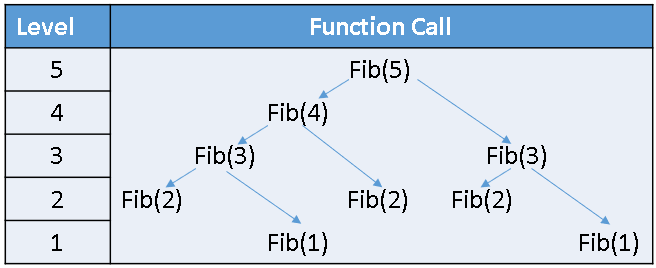
A previous article shows how to implement recursive formulas in SAS. The article points out that you can often avoid recursion by using an iterative algorithm, which is more efficient. An example is the Fibonacci sequence, which is usually defined recursively as F(n) = F(n-1) + F(n-2) for n