Choosing whole foods is the simplest way to eat high-quality ingredients like dietary fats. But let’s be real, packaged and convenience foods are part of most modern lifestyles. When you grab an ultra-processed snack or pre-made meal, front-of-package claims can be misleading. Knowing what to look for on the nutrition facts panel and ingredients list helps you compare products at a glance. Follow these three steps to understand how much and what types of dietary fat are in the foods you buy, so you can make choices you feel good about.
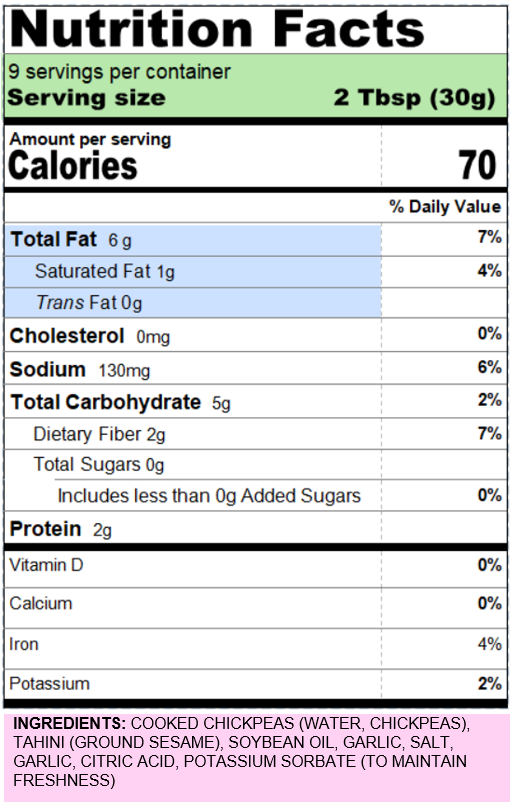
Step 1: Check the Serving Size First.
- The nutrition facts are based on one serving, but many packages contain more.
- Compare the listed serving size to the amount you would actually eat or drink.
- Multiply the listed values by the number of servings you consume.
Step 2: Scan for Fat Content.
- Total Fat is all fats combined per serving. Use it to gauge how much energy you’re getting from fat. (There are 9 calories per gram of fat compared to 4 calories per gram of carbohydrate or protein.)
- Saturated Fat is found in animal products and some tropical oils and nuts. Avoid high levels of saturated if you have high LDL cholesterol.
- Trans Fat should be avoided. It may be listed as “0 g” if under 0.5 g per serving, so check the ingredients for “partially hydrogenated oils” to be sure the product is truly trans fat free.
Fats are essential, but quality matters. Always read the ingredients list to find out the sources and processing level.
Step 3: Inspect the Ingredients List.
- Short ingredient lists usually mean less-processed foods. Ingredients are listed by weight, from highest to lowest. Don’t stop reading when you see the first oil or fat. There may be more.
- Seek out single-ingredient fats you recognize like olive oil, avocado oil, nuts, nut butter, seeds and tahini.
- Watch out for industrial oils (e.g., soybean, corn, canola, vegetable, sunflower, safflower, palm) in ultra-processed snacks and pre-made meals.
- Understand the difference between organic and cold-pressed oils.
- Organic refers to how the crops were grown — without synthetic pesticides or fertilizers — but not how oils are extracted. Organic oils are usually expeller-pressed or cold-pressed, but not chemically extracted.
- How food oils are commonly extracted:
-
- Chemically-extracted oils - involves processing with chemical solvents, high heat, bleaches and deodorizers, which can destroy nutrients, create small amounts of trans fat, leave behind trace chemical residues and harm the environment.
- Expeller-pressed oils - extracted with a press that generates some heat, usually 140–210°F (60–99°C), naturally due to friction. This retains more nutrients than chemical extraction but may cause loss of some delicate nutrients and antioxidants.
- Cold-pressed oils - extracted at low temperatures (typically below 120°F or about 49°C) which preserves flavor, aroma, and nutrients like vitamin E and antioxidants.
-
- Oils labeled both organic and cold-pressed offer the best quality: minimal nutrient loss, no chemical residues and a cleaner environmental footprint.
- Avoid partially hydrogenated oils which are artificial trans fats.
- Hidden Fats
- Non-dairy creamers, baked goods, ice cream, margarine, protein bars, breakfast bars, etc. often use fats that act as emulsifiers and texturizers. Common names include:
- Lecithin, mono- and diglycerides
- Polyglycerol polyricinoleate (PGPR)
- Sodium stearoyl lactylate
- Propylene glycol esters
- Cocoa and egg yolk solids are often sources of fat that are overlooked.
- Fat-soluble vitamins (A, D, E, K) are technically fats. They have specific health benefits and contribute negligible total fat and calories.
- Non-dairy creamers, baked goods, ice cream, margarine, protein bars, breakfast bars, etc. often use fats that act as emulsifiers and texturizers. Common names include:
Let’s take a look at the ingredients lists of some popular chocolate protein bars and their sources of fat:




Practical Label-Reading Tips for Fat
- Favor products with only whole-food sources or recognized oils (olive, avocado, cold-pressed, grass-fed butter/ghee).
- Steer clear of anything hydrogenated.
- When comparing similar packaged products, a shorter ingredient list and lower total fat often signal a better choice. If you’re watching LDL cholesterol, limiting saturated fat may be helpful too.
- Remember fat is calorie-dense, but it isn’t the only factor. Also limit added sugars and starches.
Interested in increasing another aspect of your label-reading literacy? Check out Looking at Labels: Decoding Carbohydrates and Sweeteners.
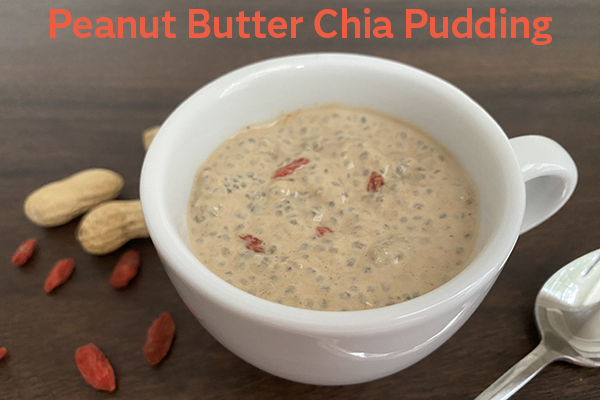
Peanut Butter Chia Pudding
Makes 1 serving (⅔ cup)
Ingredients
1 Tbsp chia seeds
2 Tbsp unsweetened powdered nut butter (I used PB2 Pure)
1 Tbsp dried fruit (I used dried Goji berries)
¼ tsp cinnamon (optional)
½ cup milk of choice (I used Elmhurst cashew milk)
Instructions
- Measure out all dry ingredients into a glass container with a lid.
- Add milk and stir well. Make sure all dry ingredients mix with the milk.
- Cover container and refrigerate for 3-6 hours or overnight.
Notes
- Make several containers at once to keep healthy treats on hand for up to a week.
- To make a larger batch, use 6 Tbsp (3/8 cup) chia seeds, ½ cup nut butter powder, 6 Tbsp dried fruit, 1 ½ tsp cinnamon, 3 cups milk which will make about 4 cups of chia pudding.
- Consider topping with plain Greek yogurt and/or adding a scoop of protein powder (along with additional milk) if you are eating this for breakfast.