In physics, antimatter has the same mass, but opposite charge, of matter. Collisions between matter and antimatter lead to the annihilation of both, the end result of which is a release of energy available to do work. In this blog series, I will use antimatter as a metaphor for a
Uncategorized
In my last two posts, we looked at a simple model of a decision-making process, and I drew the conclusion that when an individual is faced with a decision and may not trust his/her own decision-making capabilities, a way to deflect accountability for a poor decision is to call the
“You don’t make a great museum by putting all the art in the world into a single room. That’s a warehouse,” explained Jason Fried and David Heinemeier Hansson in their bestselling book Rework. “What makes a museum great is the stuff that’s not on the walls. Someone says no. A
When I think back to the many data defects I’ve witnessed over the years, one of the biggest causes time and time again is conflicting rewards. All the technology, workshops and cultural change in the world cannot hope to turn around your data quality fortunes if you’re not aligning rewards.
I've written, talked and thought about data management for an entire decade now. In that time, I've collected examples of how data – and the processes for managing that data – can affect our everyday life. For years I used the "Have you ever gotten multiple pieces of mail from
As I write these words, AMC is gearing up for the final eight episodes of its award-winning show Breaking Bad. In the press leading up to the premiere, show creator Vince Gilligan has been giving plenty of interviews while concurrently keeping a lid on how the show ends. Gilligan has
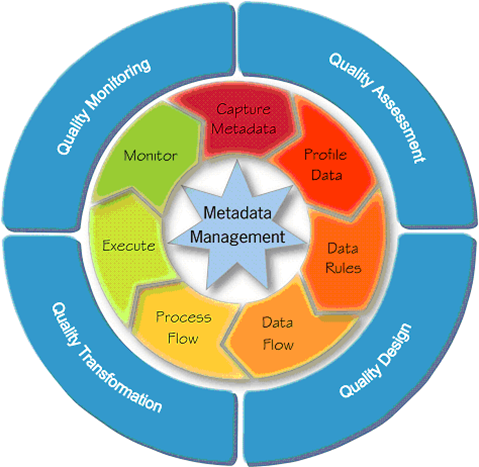
Data comes in all shapes and sizes and from various sources and systems. We also know that companies that efficiently manage data have a distinct advantage in the market: clean, quality data yields better business process and precise analytics, which drives better, faster decision making. So, how do they do
They say that data governance is about people, process and organization. Much of the work required in planning for data governance is in defining people’s roles and responsibilities, and then designing the organizational structure that will provide authority for decisions to be made and enforced.
David Loshin (@davidloshin) continues his series on data quality and decision making.
Dylan Jones (@dataqualitypro) suggests adding some attributes to your data structures for better data quality.