Author

David Pope
RSS
Technical Leader, Senior Manager US Energy

David leads the pre-sales technical team for SAS US Energy which solves business problems in the Oil & Gas and Utilities industries using advanced analytics. He is a lifetime learner who enjoys sharing information and helping others to grow their careers. He earned a BS in Industry Engineering and a Computer Programming Certificate from North Carolina State University. Furthermore, he has over 29 years of business experience working with SAS across R&D, IT, Sales and Marketing in the Americas and Europe. He is an expert in working with data and producing insights through the use of analytics. David has presented at SAS Global Forum, the 2012 SAS Government Leadership Summit, IBM’s Information on Demand(IOD), EMC World, CTO Summit Conferences, is the author of the book: "Big Data Analytics with SAS", and he currently holds 14 patents for SAS in several countries: US, CA, Norway, UK, China, Mexico, and Hong Kong.

Data Management
David Pope 0
Your "SAS view" on steroids

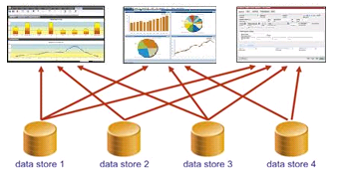
Data federation is a relatively new term used to describe a form of data virtualization. Data virtualization, however, is not new. It has been around since at least the 1960's when virtual memory was introduced to simulate additional memory beyond what was physically available on a machine.  While data federation is a
Analytics
David Pope 0
Did you know analytics did that?

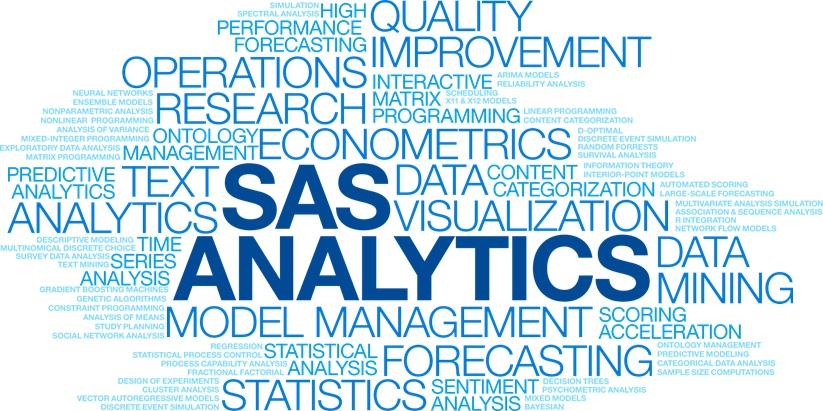
It is always important to continue to sell the value of analytics within your organization, especially to your leaders.   Usually, these type of results are delivered via reports, dashboards, or emails.   However did you know that analytics: Detects when expensive machinery like electrical submersible pumps (ESP) or oil platforms need maintenance before

David Pope 0
Why analytics is better than simple if-then business rules

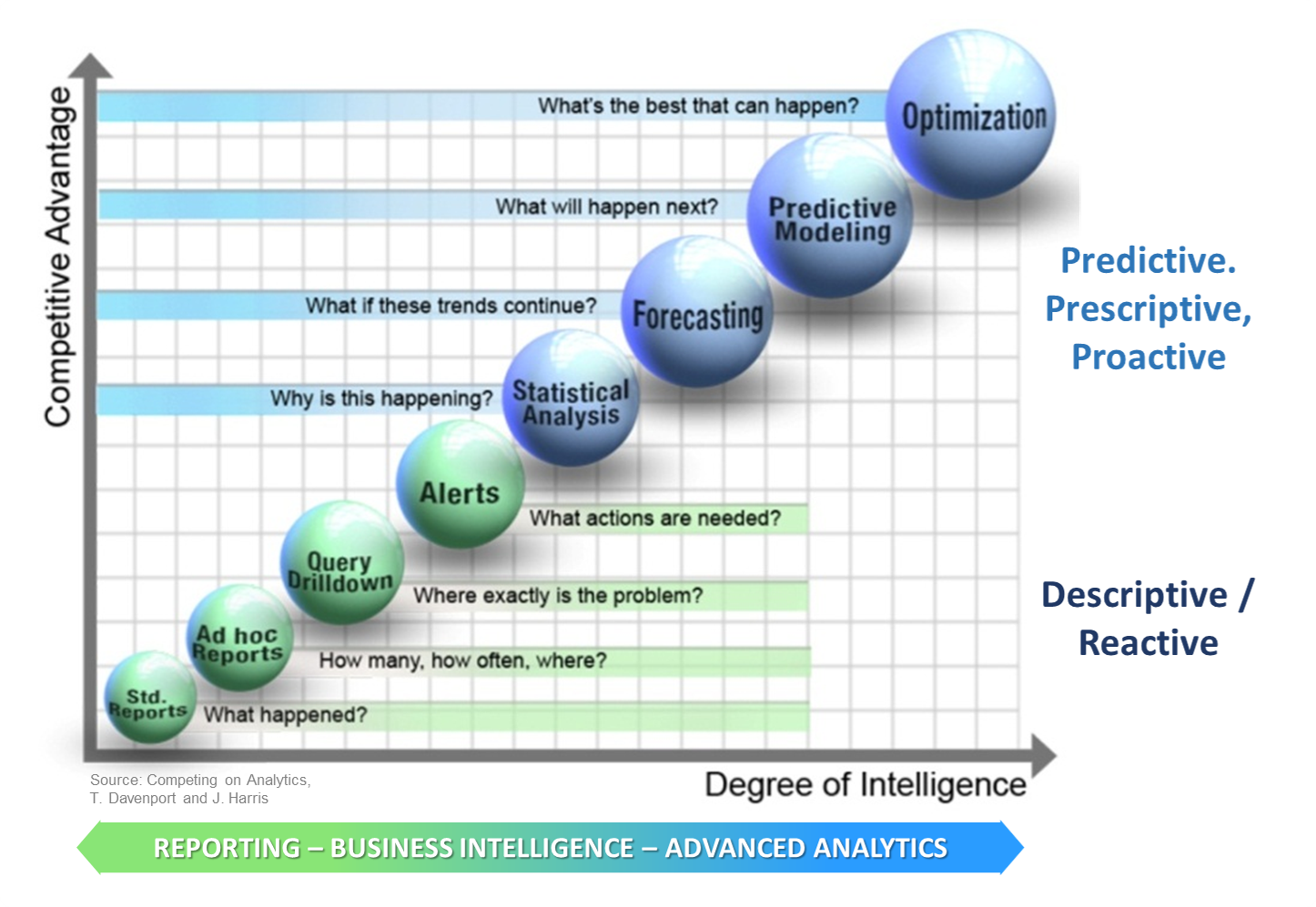
What's the differences between predictive analytics and basic reporting? Predictive analytics provides insight about what will happen in the future. Basic reporting only looks at past performance. Why is this difference difficult to grasp? It's partly because transitioning to predictive analytics requires change. And most people don't embrace change. Take

1 17 18 19 20 21