
Imagine a mother arriving at a rural clinic just as daylight disappears. She is in labor and although the health worker is ready to care for her, skill and dedication alone are not enough. In that moment, light is a necessity.
Reliable solar power is not just an infrastructure improvement. It becomes part of safer care, greater confidence and dignity for both the mother and the clinic team.
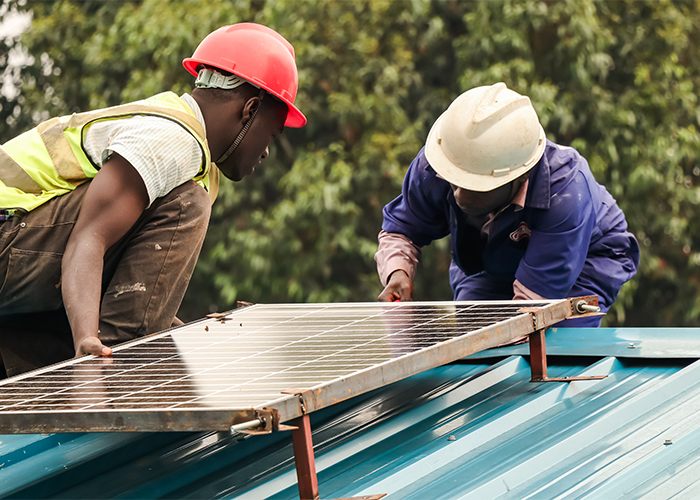
Before solar electrification, darkness could mean limited services, difficult working conditions and barriers to care. Today, reliable solar lighting powers clinics and keeps them open, supports safer deliveries and serves communities after dark.
-

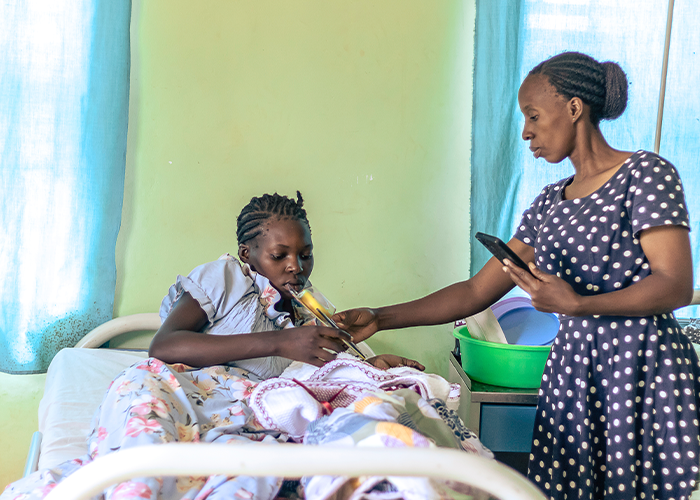
- Solar lighting gives mothers a safer, more reliable way to care for their babies after dark.
-

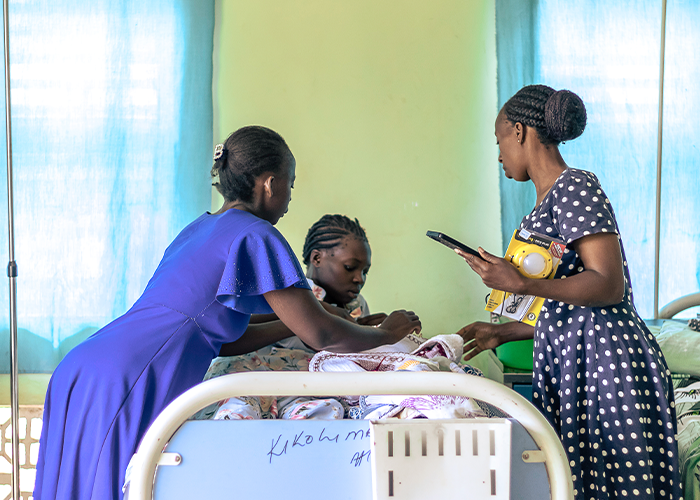
- Solar power keeps rural health clinics accessible after sunset, extending the hours communities can receive care.
Light as a path to human dignity
For Let There Be Light International (LTBLI), solar electrification is about more than technology. Its work fights energy poverty, supports rural health facilities, advances maternal and infant health through Safe Births + Healthy Homes and partners with communities to expand opportunity. Better health, safety, education and opportunity are the real outcomes. Installing a solar lighting system is relatively easy. The meaningful question is: what changes after the lights come on? Do clinics stay open longer? Can more patients receive care? Are more mothers able to give birth with a health worker present? And beyond the clinic, how does reliable lighting change daily life for families? Those are the questions LTBLI wants to answer.
Turning stories into evidence
Through SAS Data for Good, two volunteer teams helped LTBLI turn years of clinic and household data into a clearer story of impact.
One team focused on electrified clinics: Through this program, LTBLI partners with Solar Health Uganda to install and maintain solar systems at front-line off-grid health centers, improving access to and quality of care for more than 1 million people in Uganda.
A second team focused on the newer Safe Births + Healthy Homes program, which serves as an extension of the clinic electrification work. For the clinics selected to participate, LTBLI delivers a comprehensive approach that combines the facility's solar power with community health education and provides a personal solar light for every mother who delivers at the clinic to take home.
When clinics gain power
Across rural health clinics in Uganda, solar power was linked to greater service availability, maternal care and patient access. Three changes stood out:
|
+11.5
More time for care
Additional clinic hours per clinic each day, on average.
|
+107.3%
Safer births
Increase in the number of attended births per clinic each week, on average.
|
+48.9
More people treated
More patients per clinic each week, on average.
|



Individually, those changes may seem incremental. Across a network of clinics, over months or years, they offer many more opportunities for people to receive care.
That distinction matters. The value of reliable electricity is not simply that a clinic has power. It is what health workers can do with the additional capacity that power creates and with the community's confidence that they’ll have reliable care.
Behind the numbers
Behind every data point is a health worker trying to provide safe care in challenging conditions.
Clinic staff described how reliable light helped them continue caring for patients after sunset, respond with greater confidence and create better clinic conditions for mothers, newborns and families. Their voices bring the numbers to life and show why sustained power matters long after installation.
For Charity, a midwife at Kikonda HCIII who also serves as a Maternal Health Consultant with LTBLI, reliable lighting has changed what the clinic can offer mothers after dark.

Before we got solar electrification from the Safe Births + Healthy Homes project, it was really hard to work at night. We would refer mothers to the farther health facility since we couldn’t manage to work during the night, but now we can offer services 24 hours, during day and night hours…We have had reduced cases of infections because mothers come and deliver at the facility and they get the care they are supposed to get. Charity, midwife at Kikonda HCIII
Sylvia, a midwife at Biko HCIII, describes a similar change. Before solar lighting, the clinic averaged approximately 15 births per month and relied on kerosene lanterns and disposable flashlights to provide care after dark.

With the solar lamp incentive, clinic births have more than doubled in less than a year! Sylvia, midwife at Biko HCIII
The analysis also surfaced another important part of the story: access only matters if it lasts.
After 12 years, all solar systems remain operational, with all 90 clinics reporting that their systems are working. That longevity reflects not only ongoing maintenance, battery replacement and lightning protection, but also the partnership with local stakeholders, including peer mothers, health workers, volunteer village health teams and district-level government health offices – who help sustain the systems and the health gains they make possible year after year
What changes at home
Health care does not stop when a mother leaves the clinic.
The second volunteer team looked beyond the clinic walls to better understand how families experienced the effects of solar light at home.
For a mother returning home with a newborn, safe light makes nighttime care easier, reduces reliance on kerosene, candles and other nonrenewable polluting inputs and helps families use bed nets with greater confidence after dark.
-

- Solar lighting gives families a reliable source of light for caring for children after dark.
-

- A personal solar light helps families bring safer, reliable lighting into their homes.
Reliable light changes the rhythm of home life. Families described fewer negative health symptoms, safer nighttime routines and greater confidence in caring for children after dark.
|
3,519
Family voices heard
Respondents shared household health experiences.
|
88.1%
Health improved
Families reported better health at home.
|
56.9%
Less illness
Reduced symptoms or illnesses reported.
|
The program is also helping more mothers choose clinic delivery versus community births, which lack adequate equipment and trained health professionals. The program’s approach and intentional community education have shown verifiable impact, especially among women without prior clinic deliveries. Solar lighting becomes both a practical household benefit and a powerful bridge to safer maternal care.
-

- Reliable solar lighting helps health workers provide maternal and newborn care safely after dark.
-

- Solar light gives mothers a safer way to care for their newborns at night.
Measuring impact, directing resources
Let There Be Light International has long recognized and measured the transformative impact of access to light on lives. Clinics stayed open longer. More mothers received care. More patients accessed services. Families reported healthier lives at home.
This analysis helped build on that foundation, adding new layers of insight into what that transformation can look like across clinics, households and communities. Together, those findings strengthened LTBLI’s understanding of more than light. They helped answer a deeper question at the heart of the project: What changes after the lights come on?
And while measuring impact remains important, the opportunity goes further. By combining clinic results, household outcomes, illness patterns and geography, the analysis helps LTBLI identify high-need communities and make more informed decisions about where future support could have the greatest impact.
SAS analyzed more than a decade of data, giving us a clearer picture of how solar power improves health and health care in off-grid communities and who benefits most. Better understanding what really works to support mothers, clinic staff and whole communities helps us strengthen our programs. It allows us to partner more effectively with local stakeholders and to advocate for expanding solar safety net programming so that no one is left behind. Hannah Schulman, Director of Programs and Impact at Let There Be Light International
That reflects a broader lesson from SAS Data for Good: the value of analysis does not end when the project does. It grows when partners can use what they have learned to make better decisions going forward.
By starting with the right questions, gathering information carefully and creating clear tools that partners can use with confidence, data can help organizations understand not only what they have accomplished but also where they can go next.
A clinic’s light that stays on after sunset can help a health worker welcome one more mother in labor, keep newborn care safer through the night and make care feel within reach for a community.
That is the story the data helps protect and carry forward: when light stays on after sunset, one more mother can be welcomed, one more newborn can be cared for safely and one more community can see what becomes possible next.

See what data can do for good
From improving health outcomes to addressing environmental and social challenges, SAS Data for Good uses analytics to help organizations better understand problems and create meaningful change.
