About this blog
The Information Architect is a blog for CIOs, IT leaders and anyone allied with information technology who is interested in information management, analytics and how data can be used to drive a business. This blog features commentary on a broad range of subjects including, but not limited to, IT architecture, infrastructure, process and collaboration. It is intended as a forum to: present ideas big and small; discuss what the future holds and what might never be; and host discussion of the IT market, which often seems to move so fast we’re not sure what changes have just occurred.Tags
activity-based management analytic center of excellence analytics Anne-Lindsay Beall Anne Milley Becca Goren BICC big data Big data analytics business analytics business IT alignment cloud collaboration competency center cross-department customer data management customer life time value customer profitability data governance data integration Data Integration Studio data management data quality data storage gartner hadoop high-performance analytics high-performance computing information management information strategy insurance it alignment Mark Troester metrics mobile nrf retail risk sas/access shared metrics subscriber data management telco telecom telecommunication telecommunicationsSubscribe to this blog
Archives
Mike Ames
RSS
Mike Ames, leads the product management and innovations efforts for SAS’ data integration product lines. He specializes in information architecture and applying advanced analytics to a wide variety of business and technical problems. His areas of expertise include data warehousing, real-time systems, and machine learning.
Recent Posts
Big Data why now?
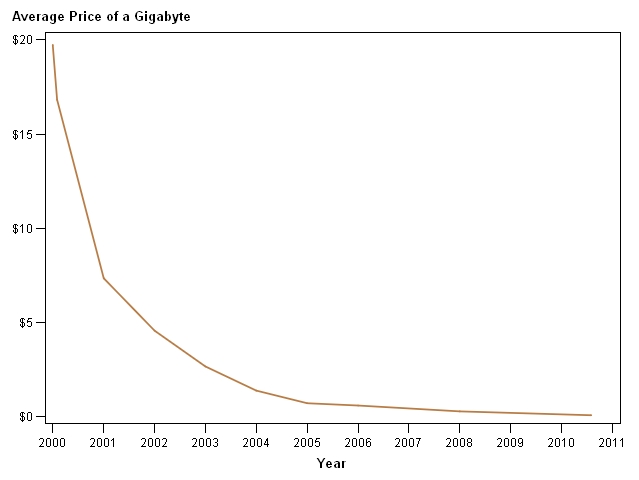
Ask any data warehouse architect what is driving the “big data” craze and he’ll tell you it has to do with the cost of storage ... Read More
SAS, Hadoop and big data
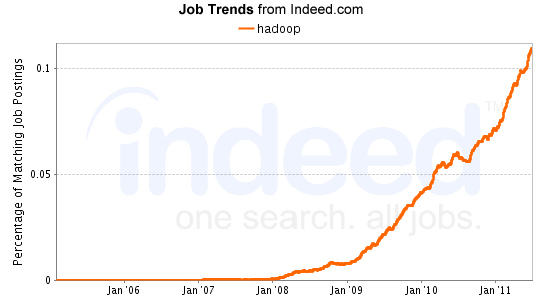
The term “big data” is all the rage right now, however the term “big” is relative. At SAS we have been called on to do “big ... Read More

EL-T Technique 1: Batch Loads with Teradata Example